







Cash or Card at the Grocery Store: Which Makes It Easier to Control Spending?
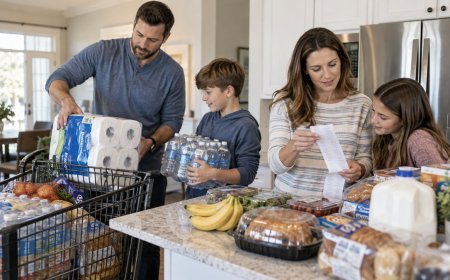
You walk into the grocery store with a short list and a long appetite. By the time you hit the freezer aisle, the cart has grown a personality. At checkout the total feels like a surprise you somehow expected. Cash or card did not create the craving for bakery samples, but the payment method can make the overrun quieter or louder.
This is a household spending-control question, not a debate about which plastic earns more points. Some people spend less when they hand over bills. Others overspend with debit because it feels like Monopoly money with a PIN. The useful answer is a simple hybrid that matches how your brain behaves in fluorescent light.
Reframe: control is a ceiling, not a moral score
Cash does not make you virtuous. Card does not make you reckless. Cash makes the remaining budget visible in your hand. Card makes the remaining budget invisible until the app pings later. If your problem is impulse adds once you are already in the store, visibility usually wins. If your problem is forgetting a planned trip and paying ATM fees to fix it, card wins for logistics.
Pick the tool that enforces the ceiling you already decided at home. The win is leaving with the list covered and the total inside a range you set before the smell of rotisserie chicken rewrote the plan.
Why cash still works for grocery caps
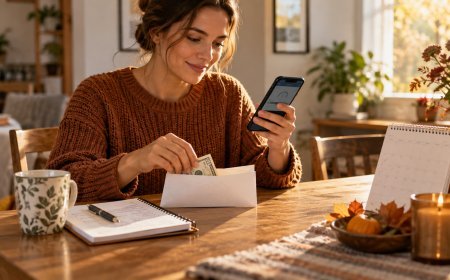
An envelope or a folded set of bills for the week creates a hard stop. When the twenties are gone, the fancy yogurt stays on the shelf. That friction is the feature. You feel each add-on as a trade: cookies or enough milk for Thursday. Families who struggle with end-of-month grocery creep often get their first calm week from a cash envelope even if they hate the inconvenience.
Napkin example: you budget $140 for the main weekly shop. You withdraw $140, shop the list, and leave. If the cart hits $152 before checkout, you put something back while you can still see the cash. With a card, that same $12 overrun rarely triggers a put-back. It triggers a shrug and a later complaint about food costs.
Where card still beats cash for groceries
Cards win on receipts, returns, and speed when you shop with kids hanging off the cart. Debit or credit keeps a clean trail if a gallon of milk is spoiled or a delivery pickup is wrong. Cards also handle the reality that many stores no longer keep much cash in drawers, and some self-checkouts make cash clunky.
Rewards can matter if you already pay the statement in full and the grocery category bonus is real. Do not let three percent cash back talk you into twenty percent more food. Points are a rebate on planned spend, not a permission slip for the seasonal display.
- Need itemized receipts and easy returns
- Shop pickup or delivery where cash is awkward
- Already use a grocery rewards card you pay in full
- Hate ATM fees more than you overspend in-aisle
Debit at the grocery store: honest but not automatic control
Debit feels like cash because it hits checking soon. For many households that is enough. For others, debit is still too easy: wave, tap, go. If your checking balance is comfortable, the pain signal arrives late. Pair debit with a written cap on your phone notes or a pre-shop calculator total. The card processes; the note enforces.
Watch overdraft settings. A tap that clears after a forgotten subscription can bounce rent float. If you use debit for groceries, keep a small buffer and turn on balance alerts. Control spending and protect the bill money are related jobs.
Credit for groceries only if the payoff habit is boring
Credit can be fine for groceries when the statement is paid in full every month and you treat the card like delayed debit. The danger is stacking grocery charges on top of other revolving balances. Food that earns points and then costs interest is the opposite of smart living.
If you are rebuilding habits after a stretch of carrying balances, grocery credit is usually the wrong training wheel. Use cash or debit until the payoff habit is dull and reliable. Dull is good here.
A hybrid that keeps the cart honest
Try this for two weeks. Set a weekly grocery number at home. Withdraw that amount in cash for the main in-store trip, or load that exact amount onto a prepaid/debit envelope method if your bank supports a separate spending account. Use a regular card only for the short list of must-buys that are awkward with cash: a heavy bag of dog food, a pharmacy add-on, or a rain-check item you will return later.
Another hybrid: card for the planned list, cash for the fun zone. Put produce, dairy, proteins, and staples on the card against a written total. Carry a small cash float for bakery, drinks, and impulse endcaps. When the fun cash is gone, the endcap loses. That split matches how overspending actually happens.
- Write the weekly grocery ceiling before you leave home
- Cash or capped spending account for the main cart
- Card only for planned awkward items, not for mood shopping
- Optional small cash float for treats; no float refill mid-aisle
- Photo the receipt and compare to the ceiling the same day
Make the list do half the work
Payment method cannot save a list that was never written. Build the list from meals, not from aisle order alone. Check the fridge and pantry first so you do not buy a third jar of the same sauce. Add prices for the big items if your store app shows them. Walking in with a total estimate turns checkout into a confirmation instead of a verdict.
Shop once with a full stomach when you can. Hungry carts are famous for a reason. If evenings are chaos, shift the trip to a calmer slot even if that means using pickup. Pickup with a locked cart total is a modern cousin of the cash envelope.
Store traps that beat any payment method
Endcaps, free samples, and BOGO signs sell volume, not need. A card makes it easy to say yes; cash makes it easier to say later. Either way, decide the rule before you enter: no BOGO unless the item was already on the list and you will finish both units. No sample-to-cart without a ten-second pause.
Self-checkout speed can also hide overruns. Pause before you pay and glance at the running total. If you are over the ceiling, remove one non-essential before the payment screen. That pause works with cash or card.
Kids, partners, and shared carts
If two adults shop, agree on the method and the ceiling out loud. Mixed signals create mixed carts: one person pays with card while the other assumes there is still cash room. Put the weekly number in a shared note. If kids lobby for extras, give them a tiny cash treat budget so the main list stays adult business.
For teens learning money, occasional cash grocery runs are excellent practice. They see the tradeoffs without a lecture about APR. Keep the trip short and the list concrete.
A two-week test you can actually finish
Week one: cash or capped account only for the main weekly shop. Track how many put-backs you do and how the pantry looks by Friday. Week two: card with a hard written ceiling and a same-day receipt check. Compare stress, leftovers, and total spend. Keep the method that produced fewer midweek emergency runs and less Sunday dread.
Do not chase perfection. Chase a boring average. A household that stays within $10 of the plan most weeks is already winning compared with a household that swings $40 every trip and calls it inflation alone.
Grocery payment checklist
- Set the weekly grocery ceiling at home before shopping
- Build the list from meals and a fridge check
- Choose cash, capped debit, or card based on your weak spot
- Use a hybrid if impulse aisles are the leak
- Ignore BOGO unless the item was already planned
- Pause at the total before you pay
- Photo the receipt and compare to the ceiling same day
- Retire grocery credit if you carry balances
This week, pick one method and one number before you walk into the store. Cash if you need a hard stop. Card if you need receipts and speed, with a ceiling you respect. The cart does not care about your loyalty points. It cares whether you decided the total before the bakery lights got a vote.
What's Your Reaction?
 Like
0
Like
0
 Dislike
0
Dislike
0
 Love
0
Love
0
 Funny
0
Funny
0
 Angry
0
Angry
0
 Sad
0
Sad
0
 Wow
0
Wow
0