


























Fall 2026 Tax Checklist: 10 Moves to Consider Before Year-End
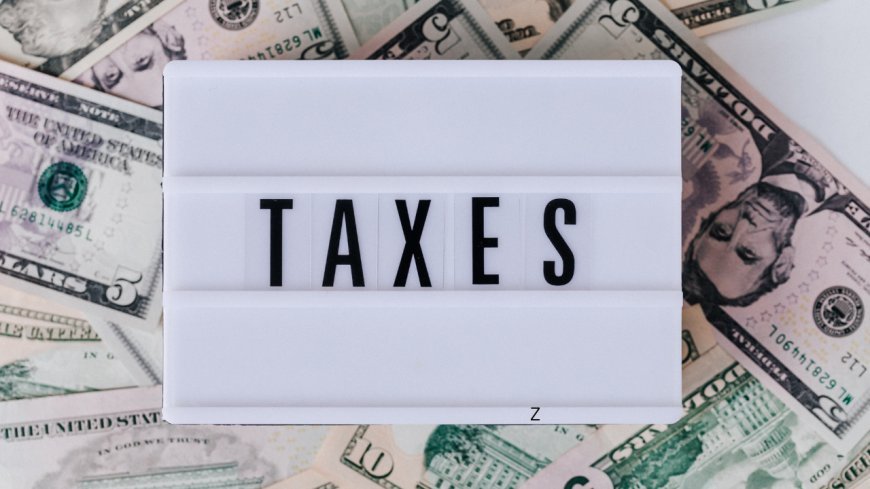
Fall is one of the most useful times to review your federal tax situation. There are still several pay periods left to adjust withholding, organize records, evaluate deductible expenses, and avoid discovering a preventable shortfall during filing season.
Tax planning should begin with accurate year-to-date information, not with a last-minute purchase or social-media “hack.” The following checklist highlights issues many households can review before December 31, 2026.
1. Estimate Your Full-Year Income
Gather recent pay statements and records for self-employment, interest, dividends, capital gains, rental income, retirement distributions, and other taxable income. Include major changes such as a new job, raise, bonus, side business, marriage, divorce, or dependent change.
An estimate does not need to be perfect to reveal whether withholding or estimated payments may be far from the expected liability.
2. Review Federal Withholding
The IRS Tax Withholding Estimator can help workers and retirees evaluate whether the amount withheld from pay or pension income is appropriate. If a change is needed, an employee may submit an updated Form W-4 to the employer. Allow time for payroll processing and remember that state withholding is separate.
3. Check Estimated-Tax Obligations
People with self-employment income, investment income, rental income, or other income without sufficient withholding may need estimated payments. The third federal estimated-tax installment for 2026 is generally due September 15, with the fourth generally due January 15, 2027.
Payment requirements and safe-harbor rules can be complex. Review IRS Publication 505 or consult a tax professional rather than guessing from the prior-year balance.
4. Understand the 2026 Standard Deduction
For tax year 2026, the federal standard deduction is $16,100 for single filers and married individuals filing separately, $32,200 for married couples filing jointly, and $24,150 for heads of household. Additional amounts may apply in certain circumstances.
Compare the standard deduction with potentially itemized expenses, but do not assume every personal payment is deductible. Eligibility and limits matter.
5. Track Charitable Contributions Correctly
Keep receipts and acknowledgments for eligible donations to qualified organizations. Gifts to individuals are not deductible charitable contributions.
Beginning with tax year 2026, taxpayers who do not itemize may be eligible to deduct up to $1,000 of qualifying cash contributions, or up to $2,000 for married couples filing jointly. Different rules and limits apply to itemizers and to noncash property.
6. Review Retirement Contributions
Check contributions to workplace plans and individual retirement accounts. Account type, income, age, employer plan coverage, and deadlines affect eligibility and deductibility. Payroll-based contributions may require action before the final pay periods of the year.
Do not exceed applicable limits across accounts. If you changed employers, combine year-to-date contributions when reviewing the total.
7. Examine Investment Gains and Losses
Review realized and unrealized results in taxable accounts. Selling investments can create capital gains or losses, and wash-sale rules may limit a loss when substantially identical securities are repurchased within the applicable period.
Tax considerations should support—not replace—the investment plan. Consider transaction costs, state taxes, holding periods, and portfolio exposure before acting.
8. Organize Flexible-Spending and Health Accounts
Review balances, eligible expenses, reimbursement deadlines, carryover provisions, and grace periods for workplace flexible-spending accounts. Rules vary by employer plan. Health savings accounts follow different rules and are generally portable, but eligibility and contribution limits still apply.
9. Prepare for Life and Business Changes
Marriage, divorce, a new child, college expenses, homeownership, retirement, inheritance, casualty losses, and business activity can change the return. Self-employed taxpayers should reconcile income and expenses, confirm documentation, and separate business from personal purchases.
10. Secure Your Tax Records
Store digital and paper documents securely. Use strong unique passwords and multifactor authentication for tax, payroll, and financial accounts. Be wary of messages demanding immediate payment, gift cards, cryptocurrency, or sensitive information. The IRS generally begins contact through official correspondence rather than threatening messages.
Your Fall Tax Document Folder
- Recent pay and pension statements
- Estimated-tax payment confirmations
- Business income and expense records
- Investment gain and loss reports
- Charitable donation receipts
- Education, childcare, and dependent-care records
- Health-account and flexible-spending documentation
- Prior-year federal and state returns
When Professional Help May Be Worth It
Consider qualified assistance when you have a business, rental property, stock compensation, major investment sales, multistate income, digital-asset transactions, a large life change, or uncertainty about a new tax provision. Verify the preparer’s credentials and understand how fees are calculated.
The Bottom Line
A fall tax review gives you time to correct course. Estimate income, check withholding and payments, organize records, understand the 2026 rules that affect you, and make deliberate decisions before year-end deadlines arrive.
This article provides general educational information and is not individualized tax, legal, investment, or accounting advice. Federal and state rules can differ and may change.
What's Your Reaction?
 Like
0
Like
0
 Dislike
0
Dislike
0
 Love
0
Love
0
 Funny
0
Funny
0
 Angry
0
Angry
0
 Sad
0
Sad
0
 Wow
0
Wow
0