


























Is the AI Stock Bubble About to Pop? 6 Moves to Protect Your Portfolio
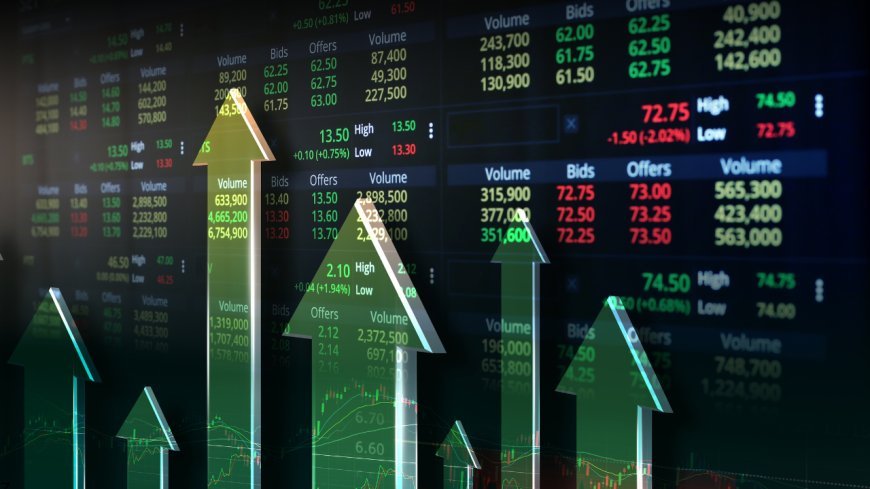
June 2026 gave investors a preview of what an AI stock bubble bursting might feel like. The so-called Magnificent Seven tech stocks dropped roughly 12.7 percent in a matter of weeks, the Nasdaq suffered its worst weekly loss in over a year, and hedge fund manager Michael Burry publicly declared the market had jumped the shark. Yet by July, stocks were rallying again, with the S&P 500 up more than 8 percent year-to-date. So is this a real AI bubble, a healthy pullback, or something in between? Here is what everyday investors should actually do about it.
Why People Are Worried About an AI Bubble in 2026
The concern is concentration. The top 10 stocks in the S&P 500 now represent about 35 percent of the entire index, compared to roughly 25 percent at the peak of the dot-com bubble. Big tech companies are on track to spend somewhere between $725 billion and $785 billion on AI infrastructure this year, and that spending is increasingly funded by debt rather than cash on hand. When a handful of companies make up more than a third of the market, a stumble in any of them can drag the whole index down with it, which is exactly what happened in June.
Why It Might Not Be 2000 All Over Again
Unlike the dot-com era, today's AI leaders are generating real profits. The Magnificent Seven collectively post net margins above 25 percent, nearly double the S&P 500 average, and companies like Nvidia are reporting margins north of 50 percent. That is a meaningfully different starting point than the unprofitable startups that collapsed in 2000. Analysts at Bank of America have argued the AI bubble narrative is overstated even as they acknowledge volatility will stay elevated. The honest answer is that nobody knows for certain, which is exactly why diversification matters more than prediction.
Move #1: Check How Concentrated You Already Are
If you own a total market or S&P 500 index fund and assume you are diversified, take a closer look. With the top 10 stocks making up over a third of the index, a standard S&P 500 fund already carries heavy AI and mega-cap tech exposure. Before adding a dedicated tech fund on top of that, check your actual sector weighting so you know how exposed you really are.
Move #2: Rebalance Toward Neglected Sectors
Small-cap stocks, healthcare, energy, and regional banks have lagged badly for most of the AI run-up, and some of that money has already started rotating back into these areas as investors look for better risk-adjusted returns. Adding modest exposure to a small-cap or healthcare-focused index fund is a straightforward way to reduce your reliance on a handful of AI winners without abandoning growth entirely.
Move #3: Keep Dollar-Cost Averaging Instead of Timing the Bottom
Trying to guess the exact week an AI correction starts or ends is a losing game even for professional analysts, some of whom expect a further melt-up before any real pullback and others who expect a snapback any month now. Continuing regular, automatic contributions through the volatility, rather than pausing to wait for clarity, is what has historically worked best for long-term investors.
Move #4: Hold Enough Cash to Avoid Forced Selling
The investors who get hurt worst in a real correction are usually the ones forced to sell investments to cover an emergency at the worst possible moment. Keeping 3 to 6 months of expenses in a high-yield savings account means a market downturn stays a paper loss instead of a real one, since you are not forced to lock it in by selling shares to pay rent.
Move #5: Separate Speculation Money From Retirement Money
If you want exposure to individual AI stocks or newer names still proving out their business model, consider ring-fencing that to a small, clearly defined slice of your portfolio, generally no more than 5 to 10 percent of your total invested assets. Keep your retirement accounts anchored in diversified, low-cost index funds so a single bad earnings report cannot meaningfully dent your long-term plan.
Move #6: Watch Margins, Not Just Headlines
The more useful signal for individual AI-exposed stocks is not the daily headline but whether margins are holding up. Recent pullbacks in chip and AI infrastructure names were driven partly by concerns over margin compression even as revenue kept growing, which is a more meaningful warning sign than a single bad news cycle.
Quick Action Plan
● Check your S&P 500 or total market fund's actual top-10 concentration
● Add modest small-cap or healthcare index exposure if you are AI-heavy
● Keep automatic contributions running through volatile weeks
● Confirm you have 3 to 6 months of expenses outside the market
● Cap individual speculative AI stock bets at 5 to 10 percent of your portfolio
● Track margin trends on AI holdings, not just price swings
Final Takeaways
Nobody can tell you with certainty whether 2026 ends in a genuine AI bubble bursting or another leg higher. What you can control is how exposed you are to a single sector, whether you have cash available so you are never forced to sell at the bottom, and whether you keep contributing steadily instead of freezing up during the scary weeks. That combination has protected investors through every bubble debate in market history, AI or otherwise.
Are you rebalancing away from tech concentration, or riding the AI wave a while longer? Either way, know your numbers before the next volatile week hits.
This article is for informational and educational purposes only and should not be considered personalized investment advice. Investing involves risk, including possible loss of principal. Market data cited reflects conditions as of early July 2026 and is subject to change.
What's Your Reaction?
 Like
0
Like
0
 Dislike
0
Dislike
0
 Love
0
Love
0
 Funny
0
Funny
0
 Angry
0
Angry
0
 Sad
0
Sad
0
 Wow
0
Wow
0