

























From Refund to Freedom: Use Your Bigger 2026 Check to Kill Debt & Build a Cushion
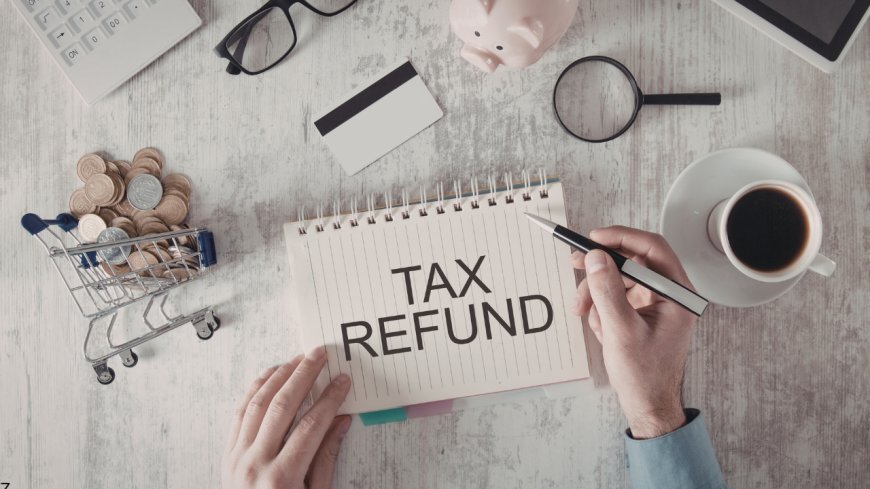
tax season is delivering good news for many: early IRS data shows average refunds climbing significantly—around $3,700–$3,800 so far (up 10%+ from last year), with some estimates projecting even larger checks thanks to recent tax law changes from the One Big Beautiful Bill. That extra $300–$1,000 (or more) in your pocket isn't just "found money"—it's a powerful one-time boost to accelerate financial freedom.
Instead of splurging on treats that fade quickly, redirect this windfall toward two high-impact goals: wiping out high-interest debt and strengthening your emergency cushion. These moves create lasting momentum—lower monthly stress, less interest paid, and real security against surprises. The lazy-friendly part? Simple, one-and-done decisions that pay dividends for years. Let's map out how to make your bigger 2026 refund work hardest for you.
Why Your 2026 Refund Feels Bigger (Quick Context)
Recent policy shifts—like expanded deductions, no tax on tips/overtime/car loan interest (for eligible filers), and other OBBB provisions—have boosted refunds for millions. Early filers are seeing averages in the $3,700+ range (up from ~$3,400 last year), with direct deposits often hitting accounts faster. While final averages may settle lower as more returns process, many households are getting a noticeable lift.
This lump sum is perfect for debt and savings because it's "extra" cash you weren't counting on monthly—treat it like a strategic reset rather than bonus spending.
Priority 1: Kill High-Interest Debt First (The Fastest Freedom Win)
High-interest debt (especially credit cards at 20%+ APR) is the biggest wealth thief—interest compounds against you. Using your refund here delivers guaranteed "returns" by slashing what you'd otherwise pay banks.
Smart steps:
- List your debts: Pull statements—note balances, rates, minimums. Focus on highest-interest first (avalanche method) for max savings, or smallest balances first (snowball) for quick motivation wins.
- Apply the refund aggressively: Throw the bulk at one or two debts. Example: A $4,000 refund on a $10,000 credit card at 22% APR saves hundreds in interest yearly and frees up monthly cash flow.
- Extra boost: Call issuers for lower rates or hardship plans—many offer temporary reductions. Or consider a balance transfer card (0% intro APR) if your credit allows, but only if you'll pay off during promo.
- Avoid new debt: Cut up or freeze cards post-payoff to prevent rebound.
Result: Lower stress, improved credit score (from reduced utilization), and more breathing room in your budget.
Priority 2: Build or Boost Your Emergency Cushion (The Safety Net Glow-Up)
Once urgent high-interest debt is tamed (or if yours is low-rate), shift to an emergency fund—aim for 3–6 months of essentials (or start with $1,000–$3,000 if starting small).
Lazy execution:
- Park it in high-yield: Move the refund to a top HYSA earning 4–5%+ APY (Varo up to 5.00%, Ally/Capital One around 4%, SoFi similar). $3,000–$5,000 earns $120–$250+ interest yearly—free money.
- Split strategy: If debt lingers, divide: 50–70% to debt, rest to savings. Example: $4,000 refund → $2,500 to credit card, $1,500 to HYSA.
- Automate future growth: Set $25–$100 monthly auto-transfers from checking to build beyond the refund.
- Label it mentally: Call the account "Freedom Fund" or "No-Stress Buffer"—makes it harder to dip into casually.
This cushion prevents future debt spirals—car repair? Medical bill? Job gap? Covered without credit cards.
Bonus Moves: Make the Refund Stretch Further
- Retirement turbo: If debt/savings are solid, add to IRA/401(k) (2026 limits: $7,500 IRA, $24,500 401(k) + catch-ups). Tax advantages compound long-term.
- Invest small portion: After basics, put $500–$1,000 in a low-cost index ETF (like VTI or VOO) for growth—hands-off via brokerage auto-invest.
- Fun allowance: Carve out 5–10% ($200–$400) for guilt-free enjoyment—a nice dinner, small trip, or treat. Balance keeps motivation high.
- Withholding check: Bigger refunds often mean over-withholding—use IRS Tax Withholding Estimator to adjust W-4 for bigger paychecks year-round.
Conclusion
Your bigger 2026 refund isn't just a check—it's a shortcut to freedom: less debt weighing you down, more cushion for peace of mind, and momentum toward real financial security. Prioritize high-interest debt first, then emergency savings, and let the rest fuel growth or joy.
Act fast: Direct deposit hits quick—log in today, transfer to debt/savings accounts, set any autos. Small decisions now compound into big wins by year-end. You've earned this boost—make it count. What's your first move: debt knockout or cushion top-up? Either way, freedom starts here.
What's Your Reaction?
 Like
0
Like
0
 Dislike
0
Dislike
0
 Love
0
Love
0
 Funny
0
Funny
0
 Angry
0
Angry
0
 Sad
0
Sad
0
 Wow
0
Wow
0