
























How to Cut Your Car Insurance Bill Without Switching Companies in 2026
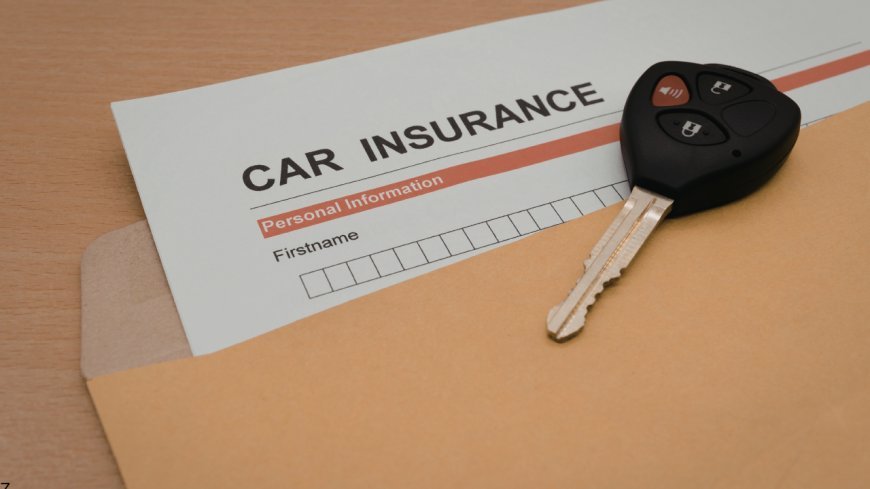
Car insurance bills keep climbing, with the average full coverage policy now running around $2,300 to $2,500 a year — or roughly $190 to $210 per month. If your premium feels higher than it should, you are not alone. The good news? You can often slash your bill by hundreds of dollars this year without the hassle of shopping for a new insurer.
Many drivers miss out on easy wins simply because they never ask or make small adjustments to their existing policy. These "car savings gaps" add up fast — think $200, $400, or even more annually just by tweaking what you already have. Here is how to close those gaps with smart, low-effort moves that work right where you are.
Why Most Drivers Overpay — And How to Spot Your Savings Gap
Insurance companies do not always automatically apply every discount or update your policy for changes in your life. Loyalty, low mileage, or an older car can work in your favor, but only if you take action. The secret is reviewing your current policy like a pro and negotiating small but powerful changes. Start by pulling up your latest declaration page and noting your current premium, deductibles, and coverages. Then use the tactics below to start saving — often within the same billing cycle.
Hack #1: Bundle Policies for Instant Multi-Policy Discounts
One of the easiest ways to lower your auto premium without switching companies is bundling your car insurance with homeowners or renters insurance through the same provider. Many insurers reward this "multi-policy" approach with discounts of 15% to 25% on your auto coverage (and sometimes on the home policy too).
Call your agent or log into your account and ask: “What would my rate look like if I bundled my auto with my homeowners/renters?” Even if you already have multiple policies, confirm the discount is applied — it is not always automatic. Drivers who bundle often save $300 to $600+ a year combined, making this one of the biggest no-switch wins available in 2026.
Hack #2: Raise Your Deductible — With the Right Math
Raising your comprehensive and collision deductible is a proven way to drop your monthly premium. Going from $500 to $1,000 can often reduce that portion of your rate by 15% to 30%, depending on your insurer and location.
Here is the simple math: Suppose your current full-coverage premium is $2,400 a year with a $500 deductible. Raising it to $1,000 might cut your annual cost by $200 to $400. Over a few claim-free years, those savings can easily offset the higher out-of-pocket amount if you ever need to file.
Only do this if you have an emergency fund that can comfortably cover the new deductible. Run your specific numbers by asking your insurer: “How much would my premium drop if I increase my deductible to $1,000?” This tweak alone can close a big part of your car savings gap.
Hack #3: Ask for Loyalty Discounts and Stay-Put Rewards
Long-time customers sometimes qualify for loyalty or renewal discounts that are not automatically applied. If you have been with your insurer for three years or more, pick up the phone and say: “I’ve been a loyal customer for X years — are there any loyalty discounts or retention offers available for me this renewal?”
Some companies quietly offer 5% to 15% off for sticking around, especially if your driving record is clean. It costs nothing to ask, and many agents are authorized to apply these on the spot to keep good customers happy.
Hack #4: Claim Your Low-Mileage Discount
If you drive less than the average (around 13,000 miles per year), you may qualify for a low-mileage or usage-based discount. Some insurers offer 10% to 20% off for drivers logging under 7,000–10,000 miles annually.
Tell your insurer your actual annual mileage (check your odometer or app) and ask about low-mileage programs or pay-per-mile options if they have them. Remote workers and retirees often uncover big savings here because their commuting habits have changed but their policy has not been updated.
Hack #5: Remove or Reduce Coverage on Older Cars
For vehicles worth less than $4,000–$5,000 (or roughly 10 times your annual collision/comprehensive premium), it often makes financial sense to drop collision and comprehensive coverage entirely. You are essentially paying to insure something that would pay out very little in a total loss.
Review the current market value of your older cars using sites like Kelley Blue Book, then call your agent and ask: “What would my premium be if we remove collision and comprehensive on my 2012 Honda?” This single move can save $300 to $800 a year per vehicle while keeping liability coverage intact for legal protection.
Put It All Together: Your Quick Action Plan
- Log into your account or pull your policy documents today.
- Call your insurer (or chat online) and run through these questions: bundling options, deductible increases, loyalty discounts, low-mileage eligibility, and coverage adjustments for older cars.
- Ask them to re-quote your current policy with the changes applied.
- Compare the new total to your current bill — many people see $200–$600 in annual savings with just a few tweaks.
These moves let you keep the convenience of your current company while pocketing real money. Insurance companies expect some customers to negotiate — be one of them.
Final Takeaways: Start Saving Today
You do not need to switch insurers to win big on car insurance in 2026. By bundling, adjusting deductibles smartly, claiming loyalty and low-mileage breaks, and trimming unnecessary coverage on older cars, you can close your personal car savings gap without any added stress.
Even knocking $300–$500 off your annual bill adds up fast — that is money for vacations, emergency funds, or just breathing easier each month. Pick one or two hacks to tackle this week and watch your next bill shrink.
Have you tried any of these tweaks with your current insurer? What worked (or didn’t) for you? Drop your experiences or questions in the comments below. For more easy money-saving moves, check out our guide on using your tax refund wisely this spring.
Start small, save big — your wallet will thank you.
What's Your Reaction?
 Like
0
Like
0
 Dislike
0
Dislike
0
 Love
0
Love
0
 Funny
0
Funny
0
 Angry
0
Angry
0
 Sad
0
Sad
0
 Wow
0
Wow
0