



























The Lazy Person's Guide to Emergency Funds (Set It and Forget It)
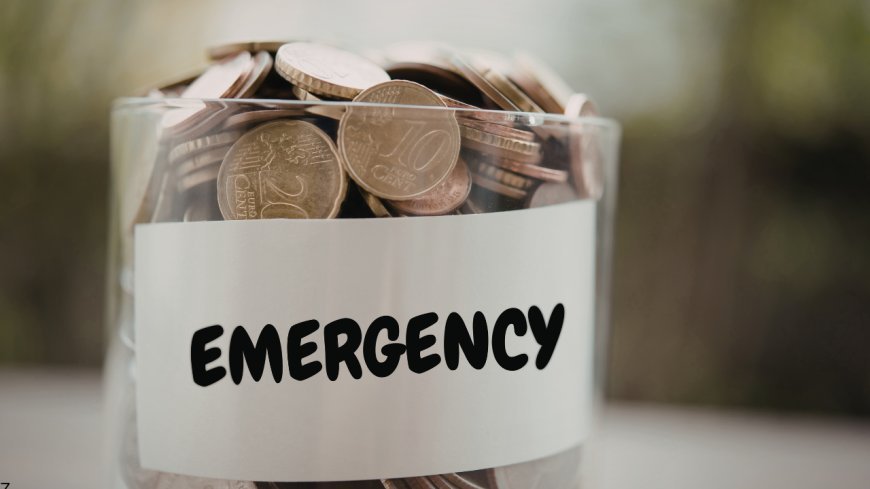
Building an emergency fund is one of the smartest moves for financial peace of mind—especially in 2026, with unexpected costs like car repairs, medical bills, or job shifts still hitting hard. The best part? You don't need ironclad discipline or daily check-ins. With "set it and forget it" strategies, automation handles the heavy lifting, letting your savings grow quietly in the background.
Here's a streamlined, low-effort guide to building (and maintaining) a solid emergency fund that requires almost zero ongoing willpower.
Why an Emergency Fund Is Non-Negotiable (Even If You're Not a "Saver" Type)
Life throws curveballs: a sudden $1,500 vet bill, a broken furnace in Buffalo winters, or a layoff. Without cash reserves, these often land on credit cards, racking up high-interest debt that compounds fast. An emergency fund acts as your buffer—preventing debt spirals and giving breathing room during tough times.
The payoff is huge: once automated, it builds itself. No more guilt over "forgetting" to save—systems do the work.
Step 1: Pick a Realistic Target (Start Tiny for Momentum)
Experts still recommend 3–6 months of essential living expenses as the gold standard (covering rent/mortgage, utilities, food, minimum debt payments, and basics—no luxuries). With average U.S. household monthly expenses around $6,500 (higher in places like New York state due to housing and heating), that means $19,500–$39,000 for the full goal.
Don't let that number paralyze you. Break it into bite-sized milestones:
- Micro goal: $500–$1,000 (covers most minor surprises like a phone screen or minor medical co-pay).
- Mini goal: $2,000–$3,000 (handles bigger hits like car repairs or appliance fixes).
- Intermediate: 1 month's essentials.
- Ultimate: 3–6 months.
Start at the micro level. Small, quick wins build confidence and habit—psychology shows momentum is more powerful than big leaps.
Step 2: Automate the Savings (Your Secret Weapon)
Automation removes decision fatigue—the real killer of saving habits.
- Auto-transfers: Right after payday, set a recurring transfer from checking to savings ($25–$50 bi-weekly to start). Many banks let you schedule this in their app in under 5 minutes.
- Round-up magic: Apps and banks round purchases to the nearest dollar and save the change. Popular ones in 2026 include Acorns (links cards for automatic round-ups into savings/investments), Chime (spare-change savings on debit purchases), and bank-built features from Ally or Capital One. Even $3–$5/day adds up fast without noticing.
- Paycheck split: Ask HR to direct-deposit a fixed percentage (e.g., 5–10%) straight into a separate savings account. It's invisible from day one.
Pro tip: Start ridiculously small ($10–$20/week). Once it's automatic and painless, bump it up every few months—your brain adjusts without drama.
Step 3: Hide It Out of Sight (and Temptation)
Store the fund in a separate high-yield savings account (HYSA) at an online bank—not your everyday checking. This adds "friction" so you can't impulse-spend it via debit card or ATM.
Top HYSA picks as of March 2026 (FDIC-insured, liquid, no/low fees):
- Varo Bank or AdelFi — Up to 5.00% APY (some with qualifiers like direct deposit or balance caps).
- Openbank — Around 4.09% APY.
- Vio Bank or Peak Bank — 4.03–4.02% APY, low minimums ($100+).
- Others like Marcus by Goldman Sachs (3.65% with bonuses) or SoFi (competitive rates).
These earn 8–12x the national average (~0.4–0.6%), so your money works while parked. Avoid stocks or CDs—emergency funds need quick access without penalties.
Step 4: Feed It "Found Money" Automatically
Windfalls vanish fast unless rerouted. Set a rule: All unexpected cash goes straight to the fund.
- Tax refunds
- Work bonuses
- Cash gifts or rebates
- Cashback from apps (Ibotta, Fetch)
- Money from selling stuff (Facebook Marketplace, eBay)
- Canceled subscription savings
Many banks/apps let you auto-transfer these deposits. Treat them like bonuses for your future self.
Step 5: Treat Savings Like a Non-Negotiable "Bill"
Don't list emergency contributions in your monthly budget as optional. Subtract the auto-transfer from your take-home pay first, then budget the rest. You'll spend like you earn less—without feeling deprived. Over time, lifestyle creep stays in check.
Step 6: Know What Counts (and What Doesn't)
True emergencies: Unexpected + necessary + urgent.
- Job loss
- Major medical/hospital bills
- Essential car/home repairs (e.g., no heat in Buffalo winter)
- Family crises
Not emergencies: Vacations, new gadgets, holiday gifts, predictable expenses (like car insurance renewals), or "deals" on wants.
Step 7: Maintain It Effortlessly
Hit your target? Keep a small auto-transfer going for replenishment or redirect to other goals (retirement, travel fund).
If you dip in (real emergency only), restart auto-contributions immediately—no waiting. Track progress via bank apps (many send milestone texts/emails) or share the goal with a low-pressure accountability buddy.
The magic of a "lazy" emergency fund? It relies on systems, not motivation. Start with $20 this week, automate it, hide it in a high-yield spot, and let compound interest and consistency do the rest. In a few years, you'll have thousands saved—without ever feeling like you "sacrificed." Your future self will thank you during the next curveball. Ready to set up that first transfer?
What's Your Reaction?
 Like
0
Like
0
 Dislike
0
Dislike
0
 Love
0
Love
0
 Funny
0
Funny
0
 Angry
0
Angry
0
 Sad
0
Sad
0
 Wow
0
Wow
0