



















Why Frozen Foods Are Winning in 2026: Deals, Brands, and Hacks to Slash Your Bill 20–30%
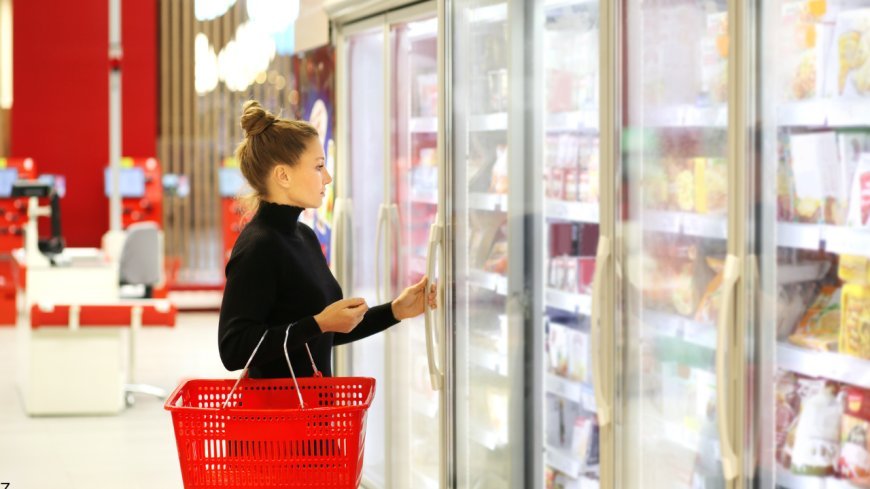
In 2026, with grocery prices still feeling the pinch from lingering inflation and supply chain quirks, frozen foods have emerged as a smart powerhouse for everyday eating. No longer just a backup for busy nights, the freezer aisle is now a core part of meal planning for millions of American households. Recent reports show frozen food sales hitting around $87–93.5 billion annually, up significantly from pre-2020 levels, driven by folks seeking ways to stretch budgets, cut waste, and eat nutritiously without constant stress.
Why are frozen foods winning big this year? They deliver real value: lower per-serving costs than many fresh equivalents (especially out-of-season produce), longer shelf life that slashes food waste, and nutrition locked in at peak freshness. Let's break down why they're dominating, the best brands to grab, current deals to hunt, and practical hacks to realistically slash your grocery bill by 20–30% without feeling deprived.
Why Frozen Foods Beat Fresh in 2026
Frozen isn't "lesser" anymore—it's often smarter. Produce is flash-frozen right after harvest at peak ripeness, preserving vitamins, minerals, and flavor better than fresh items that sit in transit or on shelves. Studies and dietitian consensus back this: frozen fruits and veggies frequently match or exceed fresh in nutrient content, with no added preservatives needed—just cold temperatures doing the work.
In today's economy, the advantages stack up:
- Cost savings — Frozen items avoid the premium pricing of fresh, seasonal produce. Berries, broccoli, or spinach can cost 30–50% less per pound frozen versus fresh, especially in winter or early spring when fresh imports spike.
- Waste reduction — About 37% of shoppers use frozen specifically to fight food waste. No more wilted greens or overripe fruit—you use what you need and keep the rest frozen indefinitely.
- Convenience without compromise — 40% of consumers now rely on frozen every few days or daily (up from 35% in 2019), and 77% buy with a specific meal in mind. It's meal-planning friendly, with many options minimally processed, high-protein, or "clean label."
- Inflation hedge — As fresh prices fluctuate, frozen offers predictable value. Reports highlight how economic pressures push more at-home cooking and waste prevention, putting frozen front and center.
Bonus: 76% of shoppers mix frozen and fresh in the same meals—think frozen veggies bulked into stir-fries or smoothies with fresh additions—for the best of both worlds.
Top Brands Leading the Charge in 2026
The freezer aisle is packed with winners, from premium to budget-friendly. Focus on these for quality, clean ingredients, and value:
- Birds Eye (Conagra Brands) — Tops for plain vegetables, stir-fry mixes, and antioxidant blends (like broccoli, carrots, bell peppers). Great for clean-label, no-artificial-additives options.
- Healthy Choice — High-protein, minimally processed meals (e.g., grilled chicken bowls with real veggies) averaging solid protein per serving—ideal for health-focused eaters.
- Dole — Reliable for frozen fruits (berries, mango, tropical blends) perfect for smoothies or snacks.
- Great Value (Walmart) or other store brands (Aldi, Kroger private labels) — Often the cheapest with comparable quality; private labels lead growth for affordability.
- Wyman's or Cascadian Farm — Standouts for organic or premium frozen fruits, especially berries.
- Trader Joe's — Fan favorites like hashbrowns, mandarin orange chicken, or kimbap for fun, tasty shortcuts (their frozen section dominates customer awards).
Look for high-protein trends (e.g., edamame, chicken-based) and restaurant-inspired options (P.F. Chang's Home Menu, Marie Callender's) for indulgent yet convenient meals.
Best Deals to Snag Right Now (March 2026)
March often ties into National Frozen Food Month promotions—watch for BOGO, multi-pack discounts, or app-exclusive coupons. Key spots:
- Grocery Outlet or discount chains — Name-brand frozen at 40–70% off conventional prices; their frozen aisle is a value goldmine.
- Costco/Sam's Club — Bulk packs of veggies, fruits, or meals (e.g., Real Good Foods items on rebate).
- Walmart/Target/Kroger — Digital coupons for $4 off strips or similar; store apps for flash deals.
- Dollar General — Rare "penny events" during resets for select frozen items (stock up fast!).
- Ibotta/Fetch cash-back apps — Stack with sales for extra savings on Birds Eye, Dole, etc.
Pro tip: Download retailer apps for personalized alerts—frozen deals change weekly.
Hacks to Slash Your Bill 20–30%
Here are low-effort strategies that add up fast:
- Build around staples — Stock frozen broccoli, spinach, berries, mixed veggies, and edamame. Use them as bases for stir-fries, soups, smoothies, or side swaps—cut produce costs significantly.
- Portion and freeze extras — Buy in bulk during sales, portion into meal-sized bags. This prevents waste and locks in deals.
- Mix with fresh strategically — Use frozen for bulk (veggies in casseroles) and fresh for flavor pops (herbs, onions)—saves without sacrificing taste.
- Meal prep simple swaps — Batch-cook with frozen proteins/veggies (e.g., frozen chicken + stir-fry mix). High-protein frozen meals deliver 15g+ protein easily.
- Shop unit price + sales — Compare frozen vs. fresh per ounce; hit midweek sales or apps for 2-for-1.
- Reduce impulse fresh buys — Rely on frozen for "emergency" meals—fewer last-minute fresh purchases mean less spoilage.
- Track one month — Log savings from frozen swaps; many see 20–30% grocery drops by prioritizing the aisle.
Frozen foods in 2026 aren't about settling—they're about winning smarter. By leaning on the freezer for nutrition, convenience, and real savings, you can eat well, waste less, and keep more cash in your pocket amid whatever the year throws next. Stock up on those Birds Eye veggies or a bag of berries this week—you'll thank yourself come dinnertime.
What's Your Reaction?
 Like
0
Like
0
 Dislike
0
Dislike
0
 Love
0
Love
0
 Funny
0
Funny
0
 Angry
0
Angry
0
 Sad
0
Sad
0
 Wow
0
Wow
0