













How to Save Money Eating Out Without Staying Home
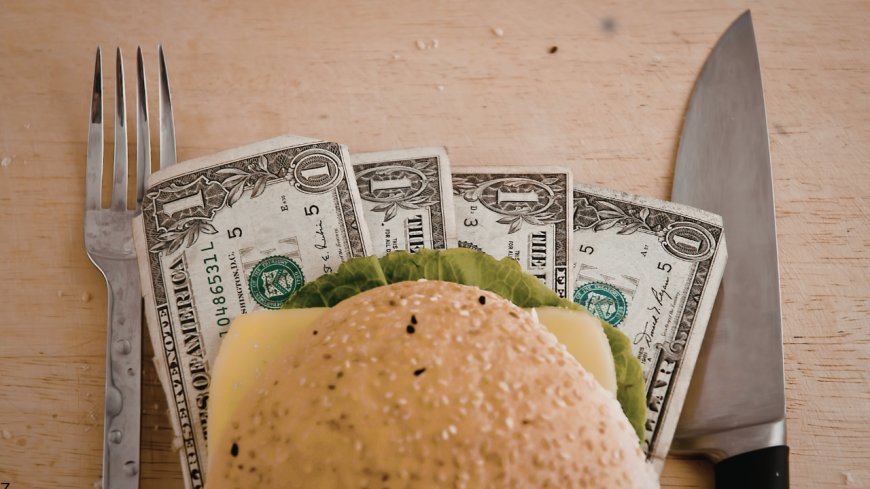
Nobody wants to hear 'just stop going to restaurants.' For a lot of us, eating out isn't a luxury — it's how we connect with people, celebrate things, or just survive a Wednesday. The goal isn't to stop doing it. It's to stop overpaying for it.
Here are the strategies that actually work — without turning every meal into a spreadsheet exercise.
Go During Off-Peak Hours
Happy hour isn't just for drinks. Many restaurants offer discounts on appetizers, small plates, and even entrees during their slow hours — typically 4–6pm on weekdays. The food is the same. The price is 20–40% less.
Lunch menus at sit-down restaurants often mirror the dinner menu at a significantly lower price point. The grilled salmon at $28 for dinner may be $16 at lunch. If timing is flexible, the lunch shift is almost always the better deal.
Join Every Loyalty Program Worth Joining
Most chain restaurants and many independents now have loyalty apps that give you real money back. The setup takes five minutes and the rewards add up faster than you'd expect.
• Chipotle Rewards: earn points toward free entrees
• Panera Sip Club: unlimited drinks for a flat monthly fee
• Starbucks Rewards: stars toward free drinks and food
• McDonald's app: frequent exclusive deals that aren't available at the register
• Chick-fil-A One: tiered rewards with meaningful free food perks
The key: only join programs for places you already go. Don't let loyalty points change where you eat — let them reward you for where you'd already be going.
Use Cashback Apps on Every Restaurant Visit
Rakuten and similar cashback apps give you money back on dining — sometimes at restaurants you'd never expect. The process: check the app before you go, activate the offer, pay with the linked card, get cash back.
It's not life-changing per visit, but 3–8% cash back on restaurant spending across a year adds up to real money. You're eating out anyway.
The BOGO and Deal App Circuit
Restaurant-specific apps, Groupon, and Entertainment Books (now digital) regularly feature buy-one-get-one deals and discounted gift cards. Buying a $50 restaurant gift card for $35 is a 30% discount on a meal you were going to buy anyway.
Groupon also runs legitimate deals on nicer restaurants — the kind you might not visit regularly but would enjoy for a special occasion. Worth checking before a date night or birthday dinner.
Smart Ordering Strategies
A few small ordering adjustments make a meaningful difference:
• Skip the cocktails and order one drink maximum. Alcohol is where restaurants make most of their margin. A $15 cocktail on top of a $22 entree changes the math significantly.
• Appetizers as entrees. At many restaurants, 2–3 appetizers shared between two people provides more food variety at a lower cost than two full entrees.
• Ask about the specials — and their price. Daily specials sometimes represent genuinely good value. Sometimes they're the most expensive thing on the menu. Always ask what it costs before ordering.
• Dessert elsewhere. Walk to the ice cream shop or grab something from the grocery store. Dessert at a restaurant is a 300% markup on what the same thing costs three blocks away.
Split Strategically
At restaurants with large portions — which is most American restaurants — splitting entrees is a legitimate and completely normal thing to do. Most places will bring a second plate for free or charge $3–5. Still cheaper than two entrees.
If splitting feels awkward, order two smaller items and share. Same result, less negotiation.
The Gift Card Hack
Raise.com and similar platforms sell discounted restaurant gift cards — sometimes 10–20% below face value. People who received them as gifts and don't use the restaurant sell them at a discount. You get $50 worth of food for $40.
This works especially well for chains you visit frequently. Buy a card once a month at a discount, and you're permanently paying less at that restaurant with zero extra effort.
The Bottom Line
You don't have to choose between social life and financial sense. Time your visits strategically, use the apps that work for you, and make a couple of small ordering adjustments. Done consistently, these habits easily save $50–$150 a month without ever requiring you to stay home.
What's Your Reaction?
 Like
0
Like
0
 Dislike
0
Dislike
0
 Love
0
Love
0
 Funny
0
Funny
0
 Angry
0
Angry
0
 Sad
0
Sad
0
 Wow
0
Wow
0