























Start Investing With $50 a Month: Easy Ways to Grow Money in 2026

Starting an investment habit in 2026 doesn't require a big lump sum or Wall Street expertise—$50 a month (just $600 a year) can build meaningful wealth over time through the power of consistent contributions, compounding returns, and low-cost options. Historical data shows the S&P 500 has delivered an average annual return of around 10% (including dividends, before inflation adjustments of roughly 6–7%), meaning small, regular investments can grow substantially over decades. The key is starting early, staying consistent, and choosing simple, low-fee vehicles that automate the process and minimize risks from market timing or high costs. In today's environment—with brokerage minimums often at zero, fractional shares widely available, and robo-advisors handling diversification—anyone can begin building long-term growth without overcomplicating things.
Set Up Automatic, Low-Effort Contributions
The easiest entry point is recurring automatic transfers from your bank account to an investment platform. Many brokers and apps allow you to invest as little as $1–$5 at a time, with no commissions on trades. Set up a $50 monthly deposit (or even $25 bi-weekly) that happens right after payday—treating it like a non-negotiable bill. This dollar-cost averaging approach buys more shares when prices dip and fewer when they're high, smoothing out volatility over time. Platforms make this seamless: link your bank once, choose your investment, and let automation handle the rest. Over years, this habit turns small amounts into significant sums through compounding—no need to watch the market daily.
Use Micro-Investing Apps for Hands-Off Beginners
Micro-investing apps excel at turning spare change or small fixed amounts into diversified portfolios. Acorns rounds up everyday purchases (e.g., $4.30 coffee becomes $5, investing the $0.70) and adds your $50 recurring contribution to ETF-based portfolios matched to your risk tolerance—ideal if you want set-it-and-forget-it simplicity. Stash lets you start with $1–$5, offers fractional shares, educational tools, and themed investments (like tech or dividends), while keeping fees low for small balances. Robinhood provides commission-free trading of stocks, ETFs, and fractional shares with no minimums—great for manually picking low-cost index funds if you prefer more control. These apps often include features like round-ups or auto-invest to boost contributions effortlessly, making $50 feel even more impactful without extra effort.
Focus on Low-Cost Index Funds and ETFs for Broad Growth
For the core of your $50 monthly investments, prioritize broad-market index funds or ETFs that track major benchmarks like the S&P 500. These provide instant diversification across hundreds of top U.S. companies, historically delivering strong long-term returns with minimal fees (often 0.02%–0.04% expense ratios). Top choices in 2026 include Vanguard S&P 500 ETF (VOO), Schwab U.S. Broad Market ETF (SCHB), or Fidelity ZERO Total Market Index Fund (FZROX)—many with no minimums and fractional-share support. Dividend-focused options like Schwab U.S. Dividend Equity ETF (SCHD) add income potential alongside growth. Buy shares automatically each month to capture market upside over time—avoid individual stocks at this stage to keep risk low and costs down.
Consider Tax-Advantaged Accounts for Maximum Efficiency
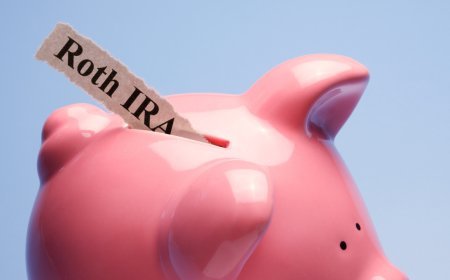
To supercharge growth, direct your $50 into a Roth IRA if eligible (2026 contribution limit $7,500 for under age 50, $8,600 for 50+; income phase-outs start around $153,000 single/$242,000 joint). Contributions grow tax-free, and qualified withdrawals in retirement are tax-free—ideal for long-term compounding. Many brokers let you open a Roth IRA with no minimum and automate small deposits. If your employer offers a 401(k) with matching, contribute enough there first for the free match before adding to an IRA or taxable brokerage. Even modest monthly additions benefit enormously from decades of tax-advantaged growth.
Stay Consistent and Keep It Simple
Success with $50 a month comes from patience and discipline—markets fluctuate, but time in the market beats timing the market. Review your setup annually (adjust risk as needed), but avoid frequent changes that trigger fees or emotional decisions. Track progress in your app to stay motivated—seeing even small balances grow reinforces the habit. If life gets tight, pause contributions temporarily rather than withdrawing. Over 20–30 years, consistent investing at historical averages can turn modest monthly inputs into substantial nest eggs.
Starting small in 2026 is more accessible than ever—pick one platform, automate $50, choose a low-cost broad index fund or ETF, and let compounding do the heavy lifting. This approach builds wealth steadily while keeping things straightforward and low-risk.
This article is for informational purposes only and not investment advice. Investing involves risk, including possible loss of principal. Past performance doesn't guarantee future results. Consult a financial advisor for personalized guidance.
What's Your Reaction?
 Like
0
Like
0
 Dislike
0
Dislike
0
 Love
0
Love
0
 Funny
0
Funny
0
 Angry
0
Angry
0
 Sad
0
Sad
0
 Wow
0
Wow
0