




















Grocery Shopping Smarter: Apps, Lists, and Strategies to Cut Your Bill by 30%
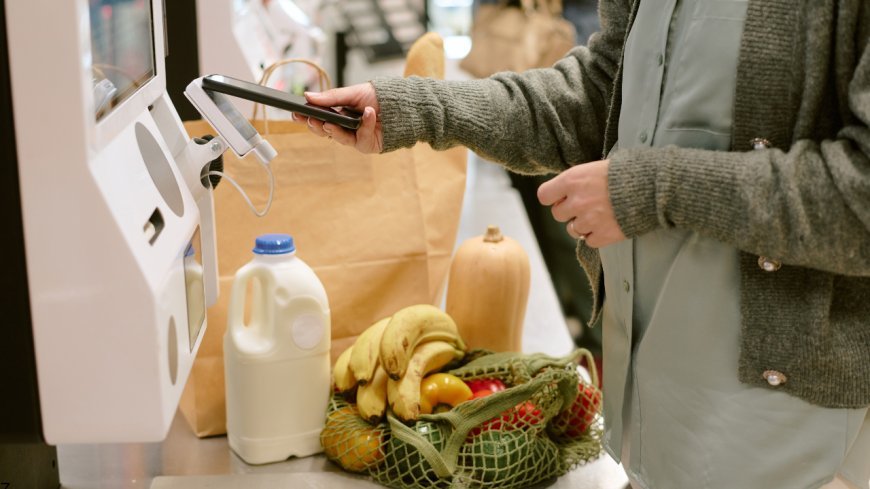
Grocery prices in 2026 remain elevated due to ongoing supply chain dynamics and modest inflation, but savvy shoppers routinely reduce their monthly bills by 20–30% through structured planning, digital tools, and proven habits. Research from consumer organizations and budgeting experts shows that combining meal planning with a disciplined shopping list can cut spending by up to 30%, largely by eliminating impulse purchases and minimizing food waste. Layering in the right apps, strategic store choices, and everyday tactics transforms routine grocery runs into significant savings—without sacrificing meal quality, variety, or enjoyment.
Build a Strong Base: Meal Planning and Effective Lists
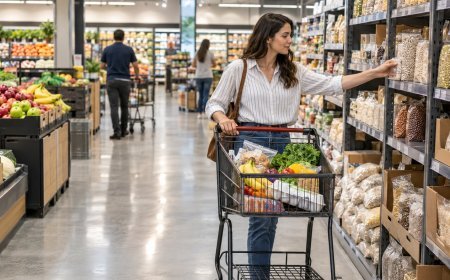
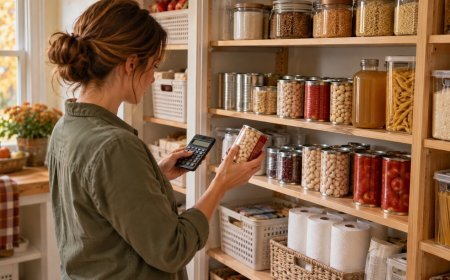
Every successful week begins with a realistic meal plan centered on budget-friendly staples such as beans, rice, eggs, oats, frozen vegetables, and affordable proteins. These items are versatile, store well, and stretch across multiple meals. Always inventory your pantry, fridge, and freezer first to avoid buying duplicates, then create a categorized shopping list (produce, dairy, pantry, meats, etc.) to guide you efficiently through the store. Free or low-cost apps like AnyList and Listonic make this effortless: they support shared lists for households, allow price tracking for better budgeting, and even estimate your total before you shop. Commit to following the list closely—perhaps permitting one small discretionary item if it fits the budget—and you'll consistently prevent the extra items that quietly inflate costs, often saving $50–$100 or more per month for an average household.
Harness the Best Grocery Apps for Instant Savings
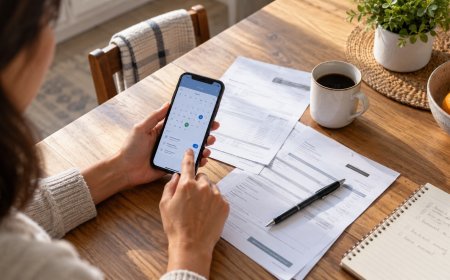
In 2026, mobile apps turn deal-hunting into a simple, automated process. Flipp pulls together weekly circulars and digital coupons from thousands of retailers, letting you match sales directly to your list and clip offers in seconds. Ibotta delivers cash back on common purchases—simply scan your receipt after shopping to claim rebates on groceries you were buying anyway. For near-expiration deals, Flashfood and Too Good To Go partner with stores to offer steep discounts (often 50% or more) on fresh produce, bakery items, dairy, and prepared foods that are still perfectly safe and high-quality. Delivery and pickup users benefit from services like Walmart+ (no-markup pricing and low fees), Instacart (access to multiple stores), and Amazon Fresh (competitive deals for Prime members). Clip digital coupons through retailer apps before heading out to ensure automatic savings at checkout—no paper flyers required.
Shop with Strategy: Timing, Brands, and Smart Buying Rules
Timing and comparison shopping deliver outsized wins. Visit stores mid-week or early in the day for the freshest selection and fewer distractions. Always check unit prices (cost per ounce, pound, or serving) instead of just the sticker price—store-brand versions of staples like pasta, canned goods, cereal, and dairy frequently match name-brand quality while costing 20–30% less. Choose whole produce over pre-cut items to save money (prep at home in batches), and prioritize frozen or in-season options when fresh prices climb. Bulk purchases make sense for non-perishables you use regularly—think rice, oats, nuts, or canned tomatoes—but only if you have storage space and will finish them before spoilage. Look for end-of-day markdowns on bakery, deli, and produce sections for additional bargains on items nearing their sell-by dates.
Eliminate Waste and Stretch Every Purchase
Food waste remains one of the biggest hidden expenses—households often discard 30–40% of what they buy—so focus on full utilization. Repurpose leftovers into soups, stir-fries, salads, or casseroles, portion and freeze extras for later, and schedule “use-it-up” meals toward the end of the week to clear out the fridge. Batch-cook versatile bases like roasted vegetables, grilled proteins, or grain bowls to repurpose across several days, reducing the need for frequent small trips. Over time, track what your household actually consumes to refine future plans—apps like Mealime generate customized recipes and auto-sync shopping lists based on your preferences, helping prevent purchases that go unused.
Combine for Maximum Impact
When you stack these elements—thoughtful meal planning with a strict list, app-driven coupons and rebates, store-brand swaps, strategic timing, and waste reduction—you can realistically achieve 20–30% savings without dramatically changing what or how you eat. A household spending $800 monthly on groceries could easily reclaim $160–$240 by adopting just a few of these habits consistently. Start simple: download one or two apps this week, plan three meals ahead, and compare your next few receipt totals. These small, repeatable changes compound quickly, creating meaningful monthly relief while keeping your table full of nutritious, enjoyable food.
This article is for informational purposes only and not financial advice. Savings vary by household size, location, shopping habits, and current deals—results aren't guaranteed. Always verify app features, retailer policies, and local availability.
What's Your Reaction?
 Like
0
Like
0
 Dislike
0
Dislike
0
 Love
0
Love
0
 Funny
0
Funny
0
 Angry
0
Angry
0
 Sad
0
Sad
0
 Wow
0
Wow
0