
























These Skills Will Make You Irreplaceable in the AI Era: Learn Them Before 2026 Ends
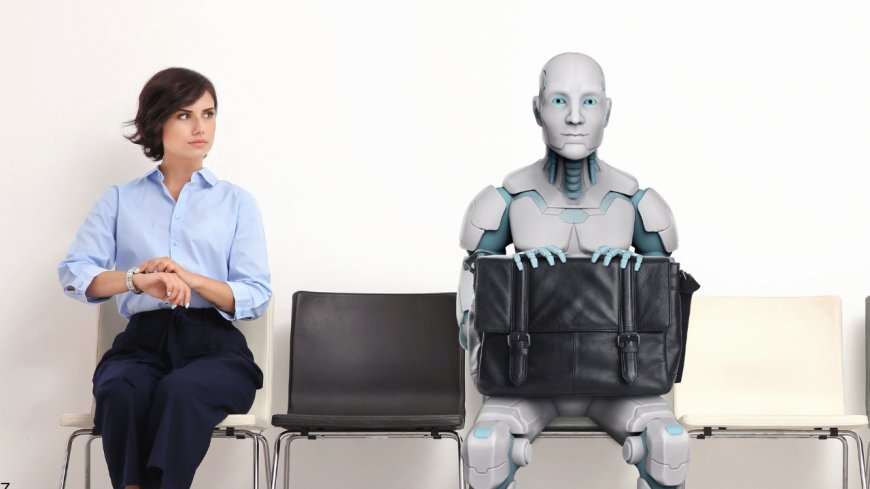
Artificial intelligence is reshaping the job market faster than ever in 2026, automating routine tasks, data processing, and even creative outputs at an accelerating pace. While no career is 100% immune, certain human-centric skills remain extremely difficult—or impossible—for AI to fully replicate. These "AI-proof" abilities emphasize empathy, complex judgment, physical dexterity in unpredictable settings, ethical decision-making, and deep interpersonal dynamics. Reports from sources like the World Economic Forum, Forbes, McKinsey, and labor market analyses highlight that roles and skills requiring high levels of adaptability, emotional intelligence, stress tolerance, and human interaction are among the most resilient. Mastering these not only protects your career but often positions you to thrive alongside AI as a collaborator rather than a competitor.
Emotional Intelligence and Empathy: The Core Human Edge
AI can analyze sentiment in text or detect facial expressions, but it cannot genuinely feel, empathize, or build trust in nuanced human interactions. Skills like active listening, compassion, conflict resolution, and reading unspoken social cues remain irreplaceable in fields such as therapy, counseling, nursing, teaching, leadership, human resources, and customer-facing roles with high emotional stakes. Healthcare providers (doctors, nurses, physical therapists, mental health professionals) and educators consistently rank among the lowest-risk occupations for automation because patients and students need genuine human connection, reassurance during crises, and personalized motivation that goes beyond scripted responses. Developing strong EQ through practice—such as reflective listening exercises, role-playing difficult conversations, or pursuing certifications in coaching/counseling—makes you indispensable in any people-oriented career.
Complex Critical Thinking, Judgment, and Ethical Decision-Making
AI excels at pattern recognition and data-driven predictions, but it struggles with ambiguous, high-stakes scenarios requiring moral reasoning, contextual nuance, accountability, and balancing competing values. Professions like judges, lawyers (especially in litigation or advisory roles), emergency physicians, surgeons, and senior executives rely on split-second ethical judgments under pressure—qualities that demand human oversight and liability. Critical thinking paired with adaptability allows professionals to question AI outputs, spot biases or hallucinations, and make final calls in uncertain environments. To build this, focus on philosophy, ethics courses, debate training, case-study analysis, or real-world problem-solving in leadership roles—skills that become even more valuable as AI handles the "easy" analysis.
Hands-On Skilled Trades and Physical Dexterity in Unpredictable Settings
Jobs involving manual precision, on-site improvisation, and physical presence in variable environments are highly resistant to full automation. Electricians, plumbers, HVAC technicians, welders, mechanics, construction workers, and other tradespeople deal with unique site conditions, safety risks, and tactile problem-solving that robots struggle to replicate cost-effectively at scale. These roles often require sensory feedback, quick adaptations to surprises, and human accountability—making them chronically in-demand amid infrastructure needs and talent shortages. Entry often comes through apprenticeships, vocational training, or community college programs, offering solid pay without massive debt and strong long-term security.
Creative Originality, Innovation, and Interdisciplinary Collaboration
While AI generates art, music, writing, and ideas rapidly, truly novel, boundary-pushing creativity—especially when fused with personal experience, cultural insight, or cross-domain synthesis—stays human territory. Artists, designers (in strategic or experiential contexts), inventors, strategists, and roles in R&D or product innovation benefit from original ideation that AI can augment but not originate from lived human perspective. Leadership that fosters teamwork across functions, influences peers, and drives change also thrives here, as AI lacks the charisma, vision, or relational trust to rally people. Hone this through deliberate practice: pursue creative hobbies, collaborate on diverse projects, study design thinking, or take courses in innovation and rhetoric.
AI Literacy and Human-AI Collaboration (The Ultimate Hybrid Skill)
Ironically, the most future-proof skill in 2026 is mastering AI itself—not as a coder, but as a fluent collaborator. AI literacy means understanding how tools work, their limitations (biases, hallucinations, context gaps), prompt engineering for better outputs, ethical use, and integrating AI to amplify your core human strengths. Professionals who use AI to boost productivity—while providing the judgment, empathy, and oversight machines lack—become exponentially more valuable. Start with free resources: experiment with tools like ChatGPT/Claude/Gemini, take short courses on prompt engineering or AI ethics, and apply them in your daily work to demonstrate measurable impact on resumes.
In 2026's AI-driven world, the winning strategy isn't fighting automation—it's doubling down on what makes us uniquely human while learning to leverage AI as a powerful ally. Prioritize emotional intelligence, ethical judgment, hands-on trades, original creativity, and AI collaboration to future-proof your career. These skills not only shield against replacement but often lead to higher demand, better pay, and greater job satisfaction in an era where machines handle the routine and humans handle the meaningful.
What's Your Reaction?
 Like
0
Like
0
 Dislike
0
Dislike
0
 Love
0
Love
0
 Funny
0
Funny
0
 Angry
0
Angry
0
 Sad
0
Sad
0
 Wow
0
Wow
0