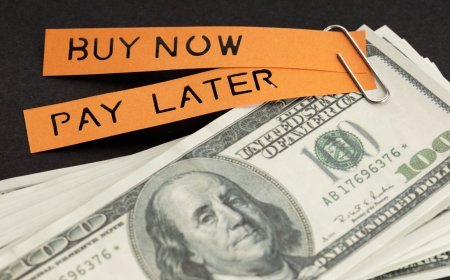

















Buy Now, Pay Later Traps: When It's Smart vs. When It Costs You More Long-Term
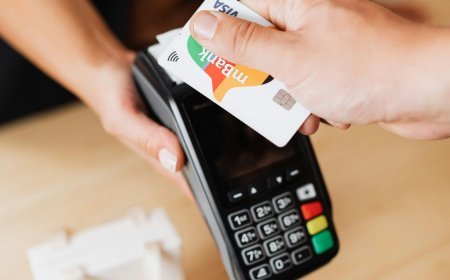
Buy Now, Pay Later (BNPL) services like Affirm, Klarna, Afterpay, and Sezzle have exploded in popularity, allowing shoppers to split purchases into interest-free installments—often four payments over six weeks—with quick approvals and minimal upfront hassle. As everyday costs remain elevated and e-commerce dominates, BNPL offers a convenient way to manage cash flow for everything from electronics to clothing to travel. However, what feels like "free" money can quietly become a trap: overspending, stacking multiple plans, late fees that rival credit card penalties, and potential credit damage add up fast. Recent data shows BNPL usage continues to rise, but so do concerns about "shadow debt"—hidden obligations that strain budgets and lead to higher overall borrowing. The key is knowing exactly when BNPL works in your favor versus when it quietly erodes your finances.
When BNPL Is Smart: Strategic, Planned Use
BNPL shines for planned, essential, or high-value purchases you can confidently repay on time without stretching your budget. If you have the cash to cover the full amount but want to spread payments for better cash-flow management—perhaps to keep money in a high-yield savings account earning interest—it's often a zero-cost bridge. Many plans remain truly interest-free if paid promptly, and they typically involve only a soft credit check that doesn't ding your score. This makes BNPL useful for younger consumers or those building credit history, or for bridging timing gaps like a big appliance repair before your next paycheck. Experts emphasize limiting active plans to one or two at a time, aligning due dates with income (e.g., right after payday), and treating it like any other short-term debt: budget for every installment as a fixed expense. When used this way—with discipline and for items you'd buy anyway—BNPL provides flexibility without long-term costs, helping avoid higher-interest alternatives like credit cards.
The Hidden Traps: When BNPL Costs You More Long-Term
The real dangers emerge when BNPL encourages impulse buys or becomes a crutch for unaffordable spending. Splitting small purchases makes them feel painless, leading many to overspend—studies show users often add extras at checkout or buy more than planned. Stacking multiple loans creates "shadow debt": you might owe on five or six plans without realizing the total monthly burden, especially since most don't report to credit bureaus until late payments hit. Late fees (sometimes $7–$15 per missed installment) and potential interest on extended plans pile up quickly, turning a "free" purchase expensive. Overextension is common—data indicates higher delinquency risks among frequent users, with some facing collections, overdrafts, or credit score hits if payments go unpaid. Returns and disputes can also get messy, complicating refunds. For those already carrying credit card debt or living paycheck-to-paycheck, BNPL often masks deeper issues rather than solving them, potentially leading to cycles of borrowing that hurt long-term financial health.
How to Use BNPL Wisely
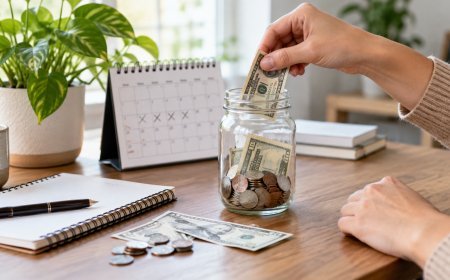
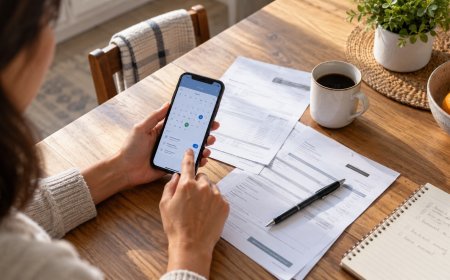
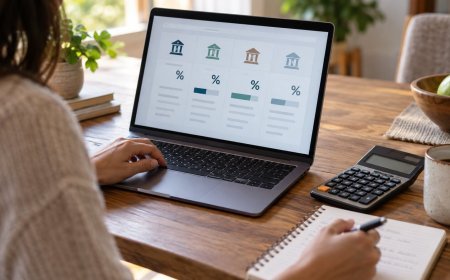
To avoid the traps, treat BNPL like any borrowing tool: only use it if you can pay the full amount today but choose installments for convenience. Limit active plans, track every due date in your budget app, and avoid using it for non-essentials or when cash is tight. Set up autopay from a funded account to dodge fees, and resist the urge to stack—aim for no more than one or two overlapping. Before checkout, ask: "Would I still buy this if I had to pay full price now?" If the answer is no, walk away. For bigger needs, compare with credit cards (for rewards/protections) or personal loans (for lower rates on larger amounts). With growing scrutiny and potential state-level rules tightening consumer protections, responsible use keeps BNPL a helpful option rather than a hidden liability.
Ultimately, BNPL isn't inherently good or bad—it's a tool. When deployed for planned purchases with rock-solid repayment confidence, it saves money and eases cash flow without interest. But when it fuels overspending, multiple overlapping debts, or missed payments, the "free" financing turns into costly long-term damage through fees, stress, and credit impacts. In 2026's environment of stabilizing but still-high costs, the smartest approach is restraint: use BNPL sparingly, intentionally, and only when it clearly benefits your finances rather than just your impulses.
What's Your Reaction?
 Like
0
Like
0
 Dislike
0
Dislike
0
 Love
0
Love
0
 Funny
0
Funny
0
 Angry
0
Angry
0
 Sad
0
Sad
0
 Wow
0
Wow
0