

























9 Last-Minute Money Moves Before December 31 That Could Save You $5,000+ in 2026 Taxes
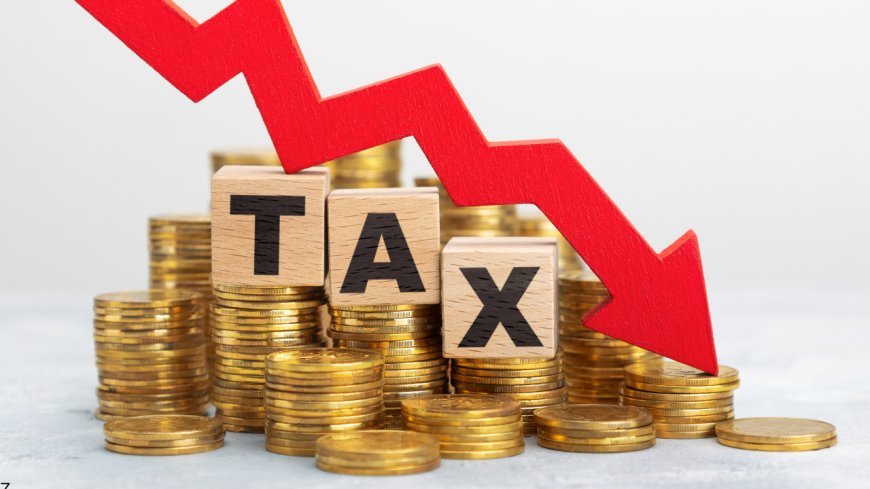
As 2025 winds down, time is running out for strategic moves that can lower your taxable income and potentially save thousands when you file your 2026 taxes. With key deadlines on December 31 and upcoming rule changes in 2026, including new requirements for catch-up contributions and adjustments to charitable deductions, acting now can make a big difference. These strategies are especially valuable for those in higher tax brackets or expecting income fluctuations. Combined, they could save $5,000 or more, depending on your circumstances. Consult a tax advisor for tailored guidance.
1. Max Out Your 401(k) or Similar Retirement Plan
The 2025 contribution limit for 401(k), 403(b), and most 457 plans is $23,500 for those under 50. If you're 50 or older, add a $7,500 catch-up contribution, or up to $11,250 if aged 60–63 and your plan permits the higher "super" catch-up. Contributions must come from payroll deductions by December 31, 2025. These pretax contributions reduce your taxable income directly—for example, maxing out $23,500 in the 24% bracket saves around $5,640 in federal taxes. Starting in 2026, high earners (prior-year wages over $150,000) must make catch-up contributions on a Roth basis, losing the upfront deduction.
2. Make Charitable Donations
Cash donations to qualified charities are deductible if you itemize, up to 60% of AGI. Donating appreciated stock avoids capital gains tax while allowing a full fair-market-value deduction. New rules in 2026 introduce a 0.5% AGI floor for itemized charitable deductions, reducing benefits for smaller or spread-out gifts. Bunching—combining 2025 and planned 2026 donations into this year—can help exceed the standard deduction now and maximize benefits before the floor applies.
3. Consider a Roth Conversion
Converting traditional IRA or 401(k) funds to a Roth IRA means paying taxes on the amount now, but qualified future withdrawals are tax-free. This is advantageous if your current income is lower than expected in retirement or to minimize future RMDs. Partial conversions can keep you in a lower bracket. With potential tax rate stability and 2026 changes like Roth-mandated catch-ups for high earners, converting now locks in today's rates for future growth.
4. Bunch Itemized Deductions
If your potential deductions (mortgage interest, state/local taxes up to $10,000, medical expenses over 7.5% AGI) hover near the 2025 standard deduction ($15,750 single; $31,500 married filing jointly), accelerate expenses like prepaying property taxes or scheduling medical procedures. This allows itemizing in 2025 for maximum benefit, then using the standard deduction in alternate years. The strategy gains urgency with the 2026 charitable floor and other potential adjustments affecting itemization.
5. Harvest Tax Losses in Taxable Accounts
Sell underperforming investments to realize losses, offsetting capital gains and up to $3,000 of ordinary income, with excess carried forward. Avoid the wash-sale rule by not repurchasing similar securities within 30 days. This offsets 2025 gains before year-end, providing immediate tax relief amid market volatility.
6. Fund an IRA (If Eligible)
Contribute up to $7,000 ($8,000 if 50+) to a traditional IRA for potential deductibility, or a Roth for tax-free growth (income limits apply). The deadline is April 15, 2026, but contributing now boosts compounding. Eligibility and deductibility depend on income and workplace plans.
7. Contribute to a Health Savings Account (HSA)
With a high-deductible health plan, contribute up to $4,300 (self-only) or $8,550 (family) in 2025, plus $1,000 catch-up if 55+. HSAs offer triple tax advantages: deductible contributions, tax-free growth, and tax-free medical withdrawals. Deadline: April 15, 2026.
8. Review Required Minimum Distributions (RMDs)
If 73 or older, take your 2025 RMD by December 31 to avoid penalties. Use qualified charitable distributions (QCDs) to satisfy RMDs tax-free, directly benefiting charities while excluding amounts from income.
9. Defer or Accelerate Income (If Self-Employed)
Self-employed individuals can delay invoices or accelerate expenses to lower 2025 taxable income. This manages brackets effectively, especially with stable rates but new 2026 provisions.
These strategies—maxing retirement accounts, strategic donating, and loss harvesting—can yield $5,000+ in savings for many. With 2026 introducing Roth catch-up mandates and charitable floors, 2025 actions enhance efficiency. Deadlines loom, so consult professionals soon.
What's Your Reaction?
 Like
0
Like
0
 Dislike
0
Dislike
0
 Love
0
Love
0
 Funny
0
Funny
0
 Angry
0
Angry
0
 Sad
0
Sad
0
 Wow
0
Wow
0