











The Psychology Trick Behind Buy Now Pay Later
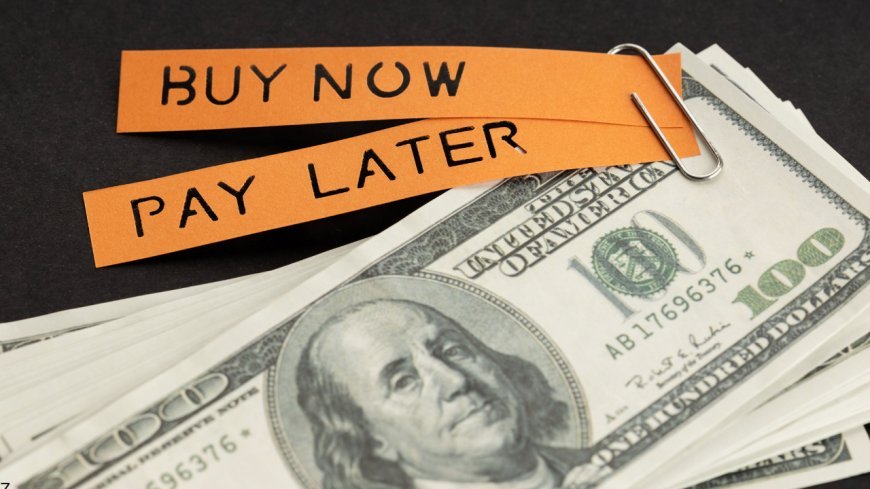
Buy Now Pay Later (BNPL) services like Affirm, Klarna, Afterpay, and PayPal Pay in 4 have exploded in popularity, turning big purchases into "easy" installments with little or no interest upfront. In 2026, these plans are embedded everywhere—from online checkouts to in-store apps—making it feel almost effortless to splurge on items you might otherwise skip. But beneath the convenience lies a powerful set of psychological tricks that make BNPL far more seductive than traditional credit cards or saving up.
The core appeal isn't just splitting payments; it's how BNPL hijacks the brain's decision-making shortcuts to override natural hesitation about spending. These services are engineered to lower perceived pain, boost impulse buys, and create a false sense of control. Understanding these mental mechanisms helps explain why people often end up spending more (and sometimes regretting it) than they planned.
1. Pain of Paying Is Dramatically Reduced (Mental Accounting & Decoupling)
When you pay full price upfront, the brain registers immediate "pain" from losing money—psychologists call this the pain of paying. BNPL decouples the purchase from the payment: you get the item now, but the money leaves your account later (and in smaller chunks). This separation makes the cost feel abstract and distant, similar to how credit cards feel less painful than cash.
Research shows people spend 12–18% more with credit or deferred payments because the emotional sting is delayed or diluted. With BNPL's short-term, interest-free installments (often four payments over six weeks), each "bite" feels tiny—like $50 instead of $200—tricking the brain into thinking the purchase is affordable. The result: higher cart values and more impulse buys, especially on non-essentials.
2. The Illusion of Affordability and Control
BNPL frames payments as manageable and predictable ("just $X every two weeks"), giving users a sense of control they don't get with lump-sum spending or revolving credit card debt. This illusion of affordability encourages people to approve purchases they would reject outright if paying cash.
It's a classic endowment effect twist: once you "own" the item (even before full payment), you value it more and are less likely to return it. Many users mentally categorize BNPL as "not real debt" because there's no interest (if paid on time) and no hard credit check visible upfront. This lowers perceived risk, leading to overextension—especially when multiple BNPL plans stack up across purchases.
3. Present Bias and Hyperbolic Discounting
Humans heavily favor immediate rewards over future costs—a phenomenon called present bias or hyperbolic discounting. BNPL exploits this by delivering the gratification (the product) right now while pushing the pain (payments) into the near but still future.
Even though the total cost is the same (or higher with fees), the brain heavily discounts future outflows. A $400 item split into four $100 payments feels "cheaper" than forking over $400 today, even if the math is identical. This bias is why BNPL converts so well on high-ticket items like electronics, furniture, or fashion—people rationalize "I need it now" and downplay the upcoming hits to their checking account.
4. Anchoring and Comparison to Full Price
BNPL apps often show the full price alongside the installment breakdown, anchoring your perception to the larger number while making the payments look small by comparison. Seeing "$49.99 × 4" next to "$199.96" makes each payment seem trivial, even though you're committing to the same total.
This anchoring effect, combined with social proof (e.g., "Join millions using Klarna"), normalizes the behavior. It also reduces buyer's remorse because the decision feels incremental rather than monumental.
5. The Hidden Trap: Late Fees and Over-Optimism
While many BNPL plans are interest-free if paid on time, missed payments trigger steep late fees (often $7–$10 per missed installment) that can compound quickly. The psychology here relies on optimism bias—most users believe they'll pay on time, so they dismiss the risk.
When life intervenes (unexpected expense, forgetfulness), fees stack up, turning a "free" plan into expensive debt. This creates a cycle where people roll over payments or open new BNPL accounts to cover old ones, mirroring credit card debt patterns but without the same regulatory protections.
How to Outsmart the Psychology
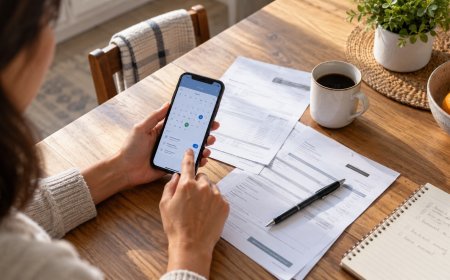
Recognize the tricks: treat BNPL like any debt—calculate the total cost, ask if you'd buy it cash, and limit active plans. Use it strategically for true needs or planned purchases, not impulse buys. Set calendar reminders for due dates and build a small buffer in your budget for payments.
BNPL isn't inherently bad—it's a tool—but its design preys on natural human biases to drive spending. In 2026, with more merchants offering it and younger shoppers embracing it, awareness is the best defense. Pause before clicking "Pay in 4," run the mental math, and decide if the item is worth the future commitments. That small moment of reflection can save hundreds (or thousands) over time. If BNPL has crept into your habits, reviewing open plans this month could be a smart financial reset.
What's Your Reaction?
 Like
0
Like
0
 Dislike
0
Dislike
0
 Love
0
Love
0
 Funny
0
Funny
0
 Angry
0
Angry
0
 Sad
0
Sad
0
 Wow
0
Wow
0