




















2026 Inflation-Proof Grocery Strategies: Beat Rising Prices Without Extreme Couponing.
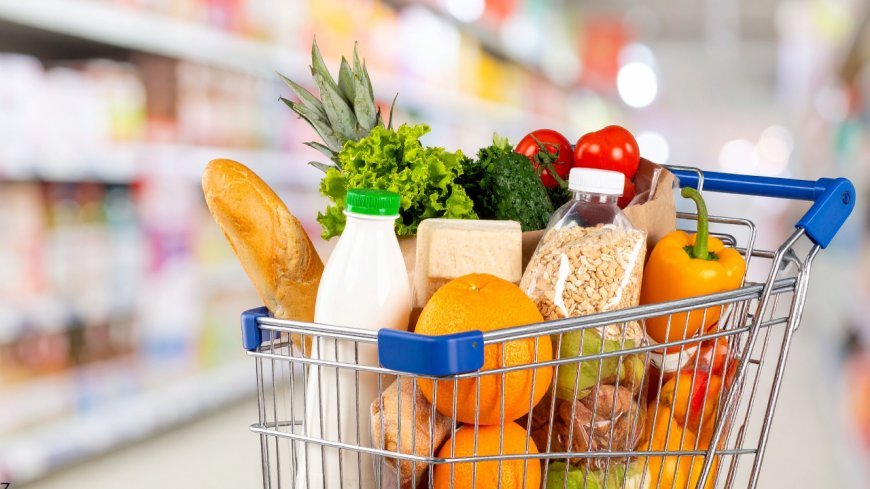
Grocery prices in 2026 continue to climb, though at a more moderate pace than the sharp spikes of recent years. According to the latest data from the U.S. Bureau of Labor Statistics, food inflation stood at 2.9% year-over-year in January 2026, with food-at-home (grocery store purchases) rising 2.1% over the prior 12 months. The USDA's Economic Research Service forecasts food-at-home prices to increase around 1.7% for the full year — below the 20-year historical average of 2.6% — offering some relief amid ongoing pressures like supply chain costs, weather events, potential tariffs, and energy expenses. While overall food prices are projected to rise about 3.0% (driven partly by higher dining-out costs at 4.6%), certain categories show variability: eggs and dairy may see deflationary trends (e.g., eggs down significantly from 2025 peaks), while meats (including beef, poultry, and seafood) could jump 4.3%, and items like beef remain elevated due to herd reductions. These trends make smart, sustainable strategies essential for keeping your budget in check without resorting to hours of clipping coupons or extreme measures.
Master Meal Planning and Inventory Checks
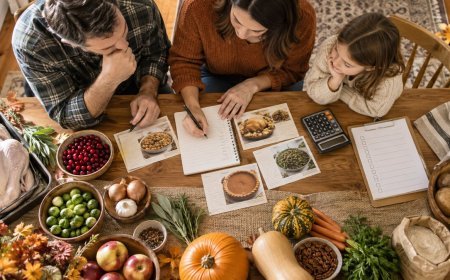
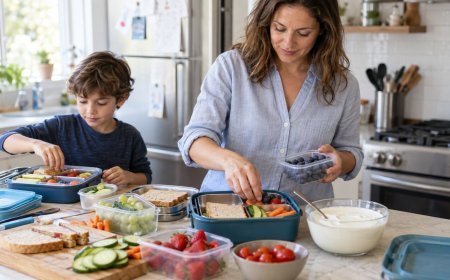
The foundation of beating grocery inflation starts before you even leave home. Begin by checking your pantry, fridge, and freezer to avoid duplicate buys — a simple habit that can cut waste and unnecessary spending by 20-30%. Plan meals around affordable, versatile staples like rice, beans, lentils, oats, eggs, frozen vegetables, and store-brand proteins that stretch across multiple dishes. Focus on "lazy batching": prepare larger portions of basics (e.g., a big pot of chili or roasted veggies) once or twice a week to create easy leftovers or quick reassemblies. Use apps or a basic notebook to list what you already have and build a weekly menu from there — this prevents impulse purchases and aligns shopping with actual needs. In 2026's environment, where some produce and grains benefit from expected higher production, planning around seasonal or on-sale items amplifies savings.
Shop Smarter: Timing, Lists, and Unit Pricing
Timing your trips wisely can unlock hidden deals without extra effort. Many stores reset weekly ads and markdowns midweek (often Wednesdays), so shopping then lets you catch overlapping promotions from the prior and current week. Stick to a focused, categorized grocery list — group items by store sections to minimize wandering aisles and temptation buys. Always compare unit prices (price per ounce or pound) rather than just sticker prices; generic or store brands frequently offer 20-40% savings over name brands with comparable quality. Avoid shopping hungry or without a list, as studies show this leads to 10-20% higher bills. For added ease, leverage free store apps or loyalty programs for digital coupons and personalized deals — no extreme clipping required.
Embrace Discount Apps and Rescue Programs
Modern tools make inflation-proofing effortless. Download apps like Flashfood or Too Good To Go, which sell near-expiration or surplus items from stores at 50-70% off — perfect for fresh produce, bakery goods, or proteins that freeze well. These "rescue" options reduce waste while slashing costs on high-quality food. Other apps track price history or alert you to drops on staples. Buy in-season produce when it's cheapest and most abundant — frozen versions of out-of-season items often provide better value and nutrition than fresh imports. Freeze extras in bulk portions to extend shelf life and buy during sales.
Reduce Waste and Stretch Every Dollar
Food waste accounts for a huge portion of household spending — the average family tosses 20-30% of what they buy. Combat this by proper storage (e.g., wrapping greens in damp towels, freezing overripe fruit for smoothies), using "first in, first out" rotation, and repurposing leftovers creatively (turn stale bread into croutons or casseroles). Opt for whole foods over pre-packaged convenience items — chopping your own veggies or making simple broth from scraps saves significantly. Homemade versions of basics like baking mixes, dressings, or yogurt can cut costs further without much time investment.
Prioritize Protein and Budget-Friendly Swaps
Proteins often drive the biggest bills, especially with 2026's meat price pressures. Incorporate more plant-based options like beans, lentils, tofu, or eggs (which remain relatively affordable) to lower costs while maintaining nutrition. When buying meat, choose cheaper cuts (e.g., chicken thighs over breasts, ground turkey swaps) or bulk buys to freeze. Shop the perimeter for whole foods and limit processed items, which carry higher markups. House brands and bulk sections (if available affordably) provide reliable savings on staples.
These strategies emphasize habit-building over one-off hacks, helping average households trim 20-40% off monthly grocery bills sustainably. Track your spending for a month to see real progress, adjust as prices shift, and focus on enjoyment — eating well on a budget is about smart choices, not deprivation. In 2026's cooling yet persistent inflation landscape, consistent small actions compound into major savings and greater financial peace.
What's Your Reaction?
 Like
0
Like
0
 Dislike
0
Dislike
0
 Love
0
Love
0
 Funny
0
Funny
0
 Angry
0
Angry
0
 Sad
0
Sad
0
 Wow
0
Wow
0