





























Stress-Free Bill Slashing: Simple Swaps for Utilities, Subscriptions, and Home Comforts Without Sacrifice in 2026
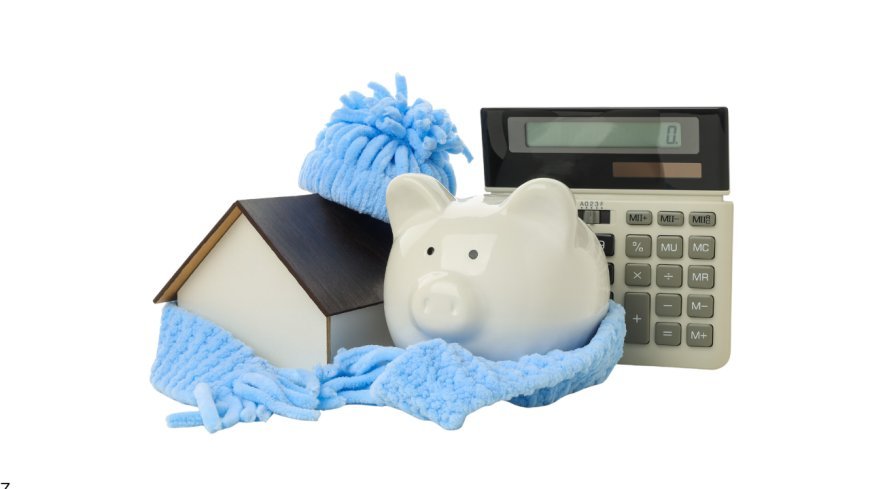
Rising household costs make trimming expenses essential, but you don't need to endure discomfort, cancel all entertainment, or make drastic changes to see meaningful savings. Many households cut 10–25% off monthly utilities, streaming, and comfort-related bills through straightforward, low-effort swaps. With average U.S. electricity bills hovering around $150–165 per month (based on recent EIA data and projections for 2026, driven by rates near 18 cents/kWh and typical usage of 850–875 kWh), these practical adjustments can add up fast without feeling like sacrifice.
Utility Swaps: Lower Electricity, Gas, and Water Bills Effortlessly
Focus on habits and tweaks that reduce energy waste while keeping your home comfortable year-round. Unplug "vampire" devices—chargers, TVs, consoles, and appliances on standby—or use smart power strips to cut phantom power, which can save 5–10% on electricity (and up to $100+ annually for some homes). Switch to cold-water laundry with effective modern detergents and always run full loads to minimize water heating costs.
Set your water heater to 120°F to balance safety and efficiency, preventing unnecessary energy use. For heating and cooling—the biggest utility drivers—adjust the thermostat: lower it 7–10°F when asleep or away (or raise it in summer), which can save around 10% on bills. A programmable or smart thermostat automates this for even better results, often paying for itself quickly. Seal drafts with weatherstripping or caulk around windows/doors, and use curtains to manage heat gain/loss. These small changes maintain cozy levels while cutting waste from leaks and overuse.
Request a free or low-cost home energy audit from your utility provider to identify hidden inefficiencies, and look for rebates on efficient upgrades like LED bulbs or ENERGY STAR appliances. Daily habits like these frequently reduce bills by $20–50+ monthly without any noticeable drop in comfort.
Subscription Trimming: Keep the Entertainment, Ditch the Overlap
Subscription fatigue is real—average households juggle multiple services, with total streaming costs often exceeding $100–200+ monthly in 2026 amid price hikes (e.g., Netflix ad-free tiers around $18–25, Disney+ bundles, and others climbing). Start with a quick audit: list all subscriptions (streaming, music, apps, gym, etc.) and cancel anything unused or rarely accessed.
Rotate services instead of overlapping—binge one platform fully, then pause and switch to another for fresh content. Opt for bundles like Disney+/Hulu/Max combos for discounted access to multiple libraries, or choose ad-supported tiers (e.g., lower-cost Netflix or Hulu plans) if occasional ads aren't a dealbreaker. Share family/group plans where allowed to split costs legally. Free alternatives such as Pluto TV, Tubi, or ad-supported YouTube can fill gaps without extra fees.
Use apps like Rocket Money or Trim to track and cancel forgotten charges, and call providers when canceling—they often offer retention discounts. These strategies commonly cut subscription spending in half while preserving access to favorites and movie nights.
Home Comfort Swaps: Stay Cozy and Efficient Year-Round
Enhance everyday comfort without ramping up the thermostat or AC. Use ceiling fans to circulate air—they make rooms feel 4–8°F cooler in summer (or warmer in winter with reverse mode) at minimal energy cost. Switch all bulbs to affordable LEDs, which use up to 90% less power and last far longer, reducing both bills and replacements.
Improve insulation subtly: add draft stoppers at doors, thermal curtains for windows, or rugs on cold floors for warmer toes without extra heating. In cooler months, layer blankets or cozy clothing instead of cranking the heat; in warmer weather, use small appliances outdoors or strategically to avoid oven/AC overuse.
Focus heating/cooling where people actually are (zoning if possible), and maximize natural light during the day. These feel-good tweaks maintain or even improve home coziness while slashing unnecessary energy use.
Quick Wins, Red Flags, and Next Steps
Shop for better utility rates in deregulated areas if available, join loyalty programs for rebates, and check bills monthly for unexpected spikes. Avoid red flags like leaving devices plugged in unnecessarily or ignoring drafts—these add up quickly.
Begin with one easy swap this weekend: unplug idle electronics, audit your subscriptions, or seal a drafty spot. Consistent small changes deliver stress-free savings—often $50–200+ monthly—freeing up money for what you value most. Your home stays comfortable, your budget eases, and the adjustments become second nature over time!
What's Your Reaction?
 Like
0
Like
0
 Dislike
0
Dislike
0
 Love
0
Love
0
 Funny
0
Funny
0
 Angry
0
Angry
0
 Sad
0
Sad
0
 Wow
0
Wow
0