





























Assisted Living vs. In-Home Care: Comparing Monthly Costs for Families
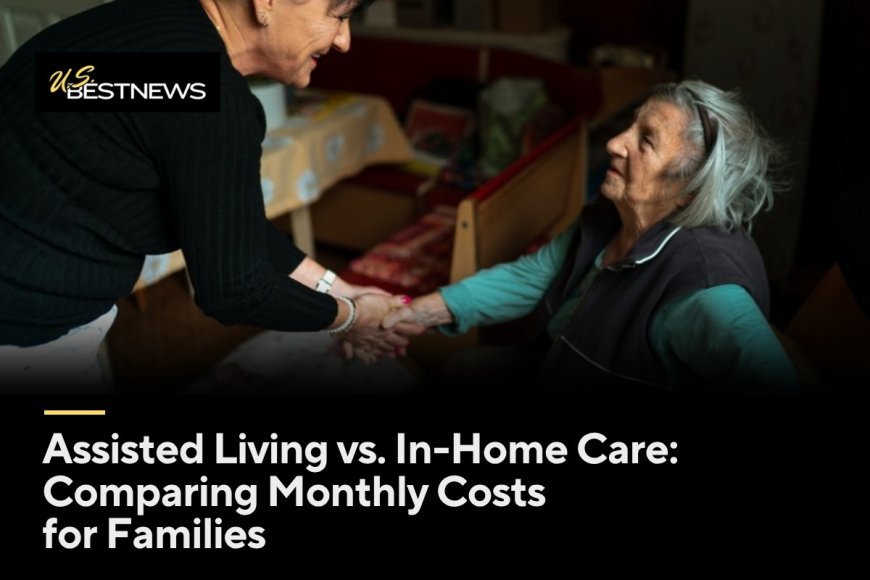
The conversation often starts after a small scare: a fall with no serious injury, a stove left on, or a parent who is managing, but only just. One sibling prices assisted living, another calls a home-care agency, and the two numbers look so different that the family argues about price when the real question is how much help is actually needed.
Neither option is simply the cheaper one. Assisted living bundles housing, meals, and support into one monthly setting. In-home care keeps a person in familiar surroundings but prices help by the hour, while the house still has its own bills. Compare the full month, not the headline rate.
Write down the help needed before pricing either option
Make a plain list of what is hard now. Bathing, dressing, medicines, meals, laundry, rides, housekeeping, getting up at night, and being alone are different problems with different costs. Note how many hours a day help is truly needed and whether someone must be nearby overnight. A family that prices twenty-four-hour care when it needs four focused hours will get a frightening and unhelpful number.
Separate safety needs from convenience. A parent who forgets medicines may need supervision and a locked organizer more than constant physical help. A parent who cannot transfer safely from bed to chair needs trained hands at specific times. A doctor, occupational therapist, or local aging agency can help judge the level if the family disagrees.
Also list what family members can reliably do, not what they hope to do in a crisis week. A daughter who lives nearby may handle bills and Sunday meals but not weekday mornings. Honest unpaid help belongs in the comparison, because both options look different when family covers evenings or weekends.
What the assisted-living monthly price may include
Ask each community what the base monthly fee covers and what is charged by care level. Housing, utilities, meals, housekeeping, activities, and some help with daily activities may be included, while medication management, bathing help, incontinence care, or escorting to meals may sit in a higher care tier. The second month can cost more than the brochure month if the assessment adds services.
Ask about one-time community or move-in fees, annual increases, and what happens if money runs low. Ask whether the community can manage a wheelchair, insulin, or memory problems, and at what point it would require a move to a different setting. A cheaper community that cannot meet a growing need may only delay a second, harder move.
Visit at different times if you can, including a meal. Notice whether residents seem engaged, whether call lights are answered, and how staff speak to people who move slowly. Cost matters, but the family is also buying reliability at 2 a.m. That reliability is part of what the monthly fee is for.
What in-home care costs besides the hourly rate
Home care is usually quoted by the hour, and agencies may require a minimum number of hours per visit or per week. Multiply the real schedule, not the ideal one. Ten hours a week and forty hours a week are different lives and different bills. Then add the costs that remain at home: rent or mortgage, property tax, insurance, utilities, food, maintenance, and transport.
If the family hires an aide directly instead of through an agency, ask who handles screening, backup coverage when the aide is sick, payroll taxes, and insurance. A lower hourly rate can carry employer duties the family did not expect. An agency may charge more while handling scheduling and replacements, which has value when a parent cannot be left alone.
Technology and home changes sit between the two prices. Grab bars, better lighting, a medical alert service, meal delivery, or a few hours of cleaning may extend safe time at home. Price those items openly rather than assuming the house is free because it is already there. A paid-off house still consumes money every month.
The tipping point is usually hours and nights
For many families the math turns on two questions. How many paid hours a day are needed, and is overnight presence one of them? A few daytime hours can compare well with assisted living, especially when a spouse or nearby relative covers the rest. As paid hours climb toward round-the-clock coverage, the bundled setting often becomes easier to sustain, though local prices vary widely.
Use a simple worksheet with three columns: staying home, assisted living, and a hybrid. The hybrid might be home care on weekdays plus adult day programs, family weekends, or respite stays. A hybrid can buy time while a parent adjusts or while the family tests whether a move is truly needed. It can also reveal which tasks cause the most strain.
Do not hide the caregiver's cost. If an adult child cuts paid work, loses sleep, or drives across town twice a day, that is part of the family price even when no invoice arrives. A plan that only works when one person never gets sick is not a plan. It is a hope with a schedule.
Questions to ask on every tour and call
For assisted living, ask how staffing changes at night and on weekends, how often care plans are reviewed, and what a typical month costs for someone whose needs resemble your parent's, not the lowest-need resident in the brochure. Ask to see the resident agreement and the schedule of charges for levels of care before anyone discusses a move-in date.
For a home-care agency, ask how workers are screened and trained, who supervises them, how missed visits are covered, and how the agency communicates changes to the family. Ask whether the same aide can be scheduled consistently. A parent who must explain the house and their routines to a stranger every week may receive hours on paper and very little calm in practice.
In both cases, ask what would trigger a recommendation for more help. An honest provider can describe the signs: repeated falls, weight loss, missed medicines, wandering, or a spouse caregiver becoming exhausted. Knowing the trigger in advance helps the family treat a change as information rather than as a failure of the first choice.
Talk about preference, then make a review date
A parent's wish to stay home deserves real weight. So does a spouse's health and a child's ability to keep showing up. Talk about what a good ordinary day looks like, what feels frightening, and what help feels intrusive. Some people accept aides at home but resist a move; others relax once meals, company, and help are under one roof.
Tour communities and interview agencies before an emergency forces a same-week choice. Ask for references, licensing information where your state requires it, and a written explanation of charges. Rules, Medicaid support, veterans benefits, and long-term care insurance terms vary, so confirm any benefit with the plan or agency that administers it rather than assuming care is covered.
Whichever route the family chooses, set a review date in about three months or after any fall, hospital stay, or weight loss. Needs change. The best comparison is not the one that wins an argument this week. It is the one that keeps a parent safe, fed, and connected without quietly exhausting the people providing the care.
What's Your Reaction?
 Like
0
 Dislike
0
 Love
0
 Funny
0
 Angry
0
 Sad
0
 Wow
0