





























Seasonal Holiday Jobs That Suit Retirees: Flexible Work for Extra Cash
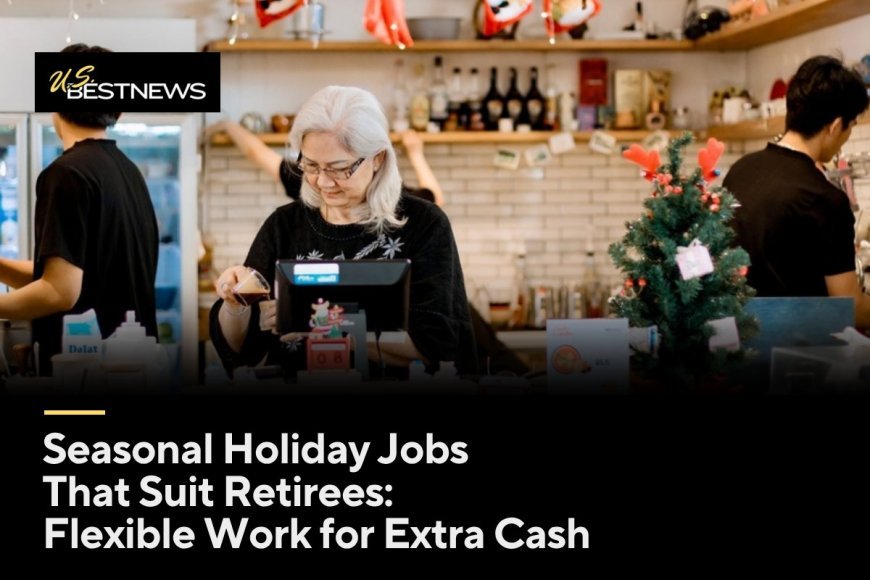
As shop windows turn to Christmas in October, a different sign catches some retirees' eyes: seasonal help wanted. Not a return to the old career, and not forty hours under fluorescent lights, but a few paid weeks, a reason to be among people, and extra cash for gifts, travel, or a winter bill that has grown teeth.
The best seasonal job for a retiree is rarely the one with the highest hourly sign in the window. It is the one that fits your stamina, schedule, driving comfort, and tax and benefit situation. This guide is deliberately retiree-specific. USBN's earlier holiday-jobs piece ranked fast hiring for adults generally; here the question is which work suits this stage of life.
Roles that reward experience more than speed
Customer-service desks, returns help, gift wrapping, phone or chat support, and order-picking for familiar local shops can suit people who are calm when a queue becomes theatrical. Employers in the holidays need workers who can soothe a customer, learn a till without drama, and show up for the shift they accepted. Reliability is a hiring feature money cannot easily train in November.
Museums, theaters, holiday markets, historic houses, schools, and places of worship often need seasonal ticket, coat-check, usher, or event help. The hours may be shorter and the standing broken into natural pauses. Ask what the busiest moment looks like and whether a stool, lift, or elevator is part of the real job rather than an accommodation you must negotiate after accepting.
Tax and bookkeeping offices, accountants, and shipping or printing shops may hire experienced help for intake, filing, appointment calls, and customer records before year-end. Retired teachers may find seasonal tutoring or exam help. Former health, trades, or office workers should ask past employers and professional contacts first. A known person is often offered the humane shift before a public posting appears.
Physical work: read the shift with your body in mind
Warehouses, delivery stations, grocery, and big-box restocking can pay more for night or weekend shifts, but the job may involve lifting, ladders, cold loading areas, and long standing. Ask the weight you would lift, whether carts or team lifts are used, how long breaks are, and whether the floor is concrete. A job that leaves you unable to enjoy grandchildren for two days has charged you more than the paycheck shows.
Driving roles need a winter test. Delivery in your own car brings fuel, insurance, mileage, and weather questions like those covered in this week's gig-driving guide. Store delivery, floral delivery, or shuttle driving for an employer may put you in a company vehicle with different insurance and schedule rules. Ask who pays for fuel, what happens in a storm, and whether the route is local or stretches across dark rural roads.
Outdoor work such as tree lots, parking, ice-rink support, or holiday light events can be sociable and active, but cold changes the bargain. Dress costs, frostbite risk, and safe footwear belong in the decision. There is no virtue in proving at sixty-eight that you can still do the shift that exhausted you at thirty. Choose the version of active that leaves you pleasantly tired.
Ask these questions before you accept
Get the end date and expected weekly hours in writing. Seasonal can mean two evenings a week until Christmas Eve or thirty-five hours through January returns. Ask whether the busiest week is compulsory, whether shifts can be swapped, and what happens if a family visit or medical appointment conflicts. If grandchildren are arriving on a particular weekend, negotiate before you are on the schedule, not after.
Ask how and when you are paid, whether training is paid, what discount if any is real, and whether a uniform or equipment is supplied. If an employer asks you to buy inventory, pay for training, or receive wages through an unfamiliar card with fees, pause. The Federal Trade Commission warns that legitimate employers do not ask workers to pay for the chance to work or send checks to forward money elsewhere.
Ask who supervises you and what a good shift looks like. A retiree returning for six weeks does not need a career ladder. A clear task, a named person to ask, and a till or returns process you can learn matter more. If the interview feels chaotic, the December shift will not become calmer because tinsel has been added.
Money questions: taxes, Social Security, and benefits
Seasonal wages are taxable income, whether the job lasts three weeks or thirty years. Your employer should withhold based on your forms, but retirees with pensions, investment income, or self-employment may want to check whether their withholding still fits. Keep the final pay stub and any tax form. A small job can still produce a surprise if every income source assumes another one is doing the withholding.
If you receive Social Security before full retirement age, ask how extra earnings interact with the annual earnings test for your age and year. The Social Security Administration publishes the exempt amounts each year, and the rules differ in the year you reach full retirement age. This is not a reason to refuse work automatically. It is a reason to estimate before December so a benefit adjustment is understood rather than discovered.
If you receive a pension, disability benefit, unemployment benefit, or means-tested assistance, ask the plan or agency whether seasonal work affects it. Rules vary too much for a shop-floor guess. Also consider Medicare premium or tax effects only at the level of a question for a tax professional if the job is large. For most short seasonal work, the practical effect is simply more taxable income and perhaps a nicer January.
Where to look beyond shop windows
Local knowledge beats national job boards for short seasonal work. Ask libraries, museums, theaters, independent shops, florists, caterers, schools, charities running holiday appeals, and former employers. Many seasonal posts are filled by a bulletin board, a newsletter, or a manager asking last year's reliable helper before an ad reaches the internet. Being known locally is a retiree advantage; use it while younger applicants compete in the largest pool.
Charity shops and gift programs may mix paid and voluntary roles, so ask plainly which this is. Volunteering can be a fine choice, but it should be chosen as volunteering, with expenses and hours understood. Do not let warm feelings blur a schedule that behaves like a job while paying like a hobby. Clarity protects both the organization and your December.
Consider teaming up with a friend. Two retirees who apply to the same market, theater, or shop may share rides, swap shifts by agreement, and make the work social. Ask the employer whether job-sharing or paired shifts are possible. The worst answer is a brief no. The best can turn seasonal work into the part of the holidays you look forward to.
Make the season pay in more than wages
Choose work that gives you something besides money if the pay is similar. A theater job may include performances, a garden center may suit someone who misses plants, and a school or museum role may provide the company a retired person actually wants. Extra cash is the headline. A good winter routine can be the quiet second paycheck.
Protect the rituals you took the job to fund. If every shift consumes the weekends with family, the hourly rate has eaten its own purpose. Set the number of shifts and the final date before the first schedule is posted. Seasonal work expands politely. Managers ask their reliable people first, and a retiree who says yes to everything becomes the solution to every absence.
The right holiday job for a retiree is flexible in fact, not only in the ad, pays in ordinary wages through ordinary payroll, and fits the body you have this winter. Ask the awkward questions early, check the earnings rules for your benefits, and keep the end date sacred. Earn the extra cash, enjoy being needed, and still be free when the season ends.
What's Your Reaction?
 Like
0
 Dislike
0
 Love
0
 Funny
0
 Angry
0
 Sad
0
 Wow
0