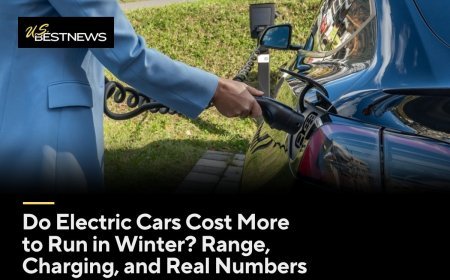























Do Electric Cars Cost More to Run in Winter? Range, Charging, and Real Numbers
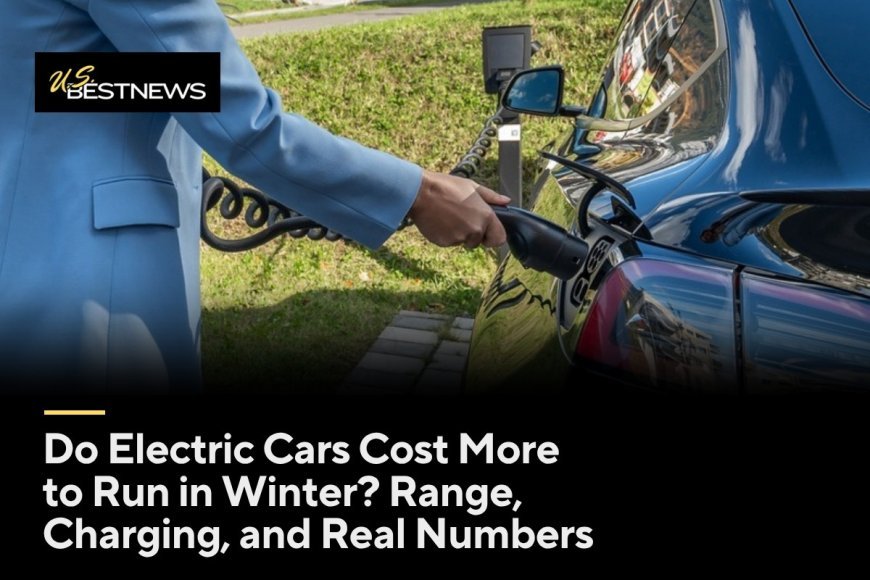
Do electric cars cost more to run in winter? Usually yes per mile, and sometimes by enough to change a trip plan, but not always by enough to erase their running-cost advantage. The missing piece in most arguments is that winter affects the car in two ways at once: it may travel fewer miles on a charge, and each charge can take longer or use more energy for warming.
There is no single winter number that fits a garage-kept car on short city trips and the same model parked outside for a highway drive in northern cold. Use the ranges below as planning tools, then replace them with your own car's winter consumption after a few weeks of weather.
Why range falls when the temperature does
A battery delivers energy through chemistry that works less readily in the cold, and the car may reserve or use energy to warm the battery to a happier temperature. At the same time, heating the cabin takes energy that a gasoline or diesel car largely supplies from waste engine heat. An electric car must pay for cabin heat from the battery unless it has an efficient heat-pump system, and even then cold has a cost.
The United States Department of Energy's fuel economy guidance notes that cold weather can affect electric vehicles more than conventional cars, especially for short trips where the car repeatedly cools down and must rewarm. That pattern matters. A ten-mile day split into four cold starts can use more extra energy than one forty-mile drive where the battery and cabin warm once and stay warm.
Official range ratings are not winter promises. They are test-cycle figures meant for comparison. Your dashboard's recent consumption, often shown as miles per kilowatt-hour or watt-hours per mile, is more useful by December than the number on the window sticker. Note it now in mild weather so the winter change is visible rather than argued about.
A simple cost-per-mile example you can redo
Use this illustration, not a quote. Suppose your car uses one kilowatt-hour to travel four miles in mild weather, and home electricity costs a price you can read on your bill. In winter, if the same car travels three miles per kilowatt-hour because of heating and cold starts, it needs about a third more electricity for the same journey. The arithmetic is simple: divide miles driven by miles per kilowatt-hour, then multiply by your price per kilowatt-hour.
Try it with a one-hundred-mile week. At four miles per kilowatt-hour, the car uses twenty-five kilowatt-hours. At three miles per kilowatt-hour, it uses about thirty-three. If you replace those consumption figures with your own and multiply by your home rate, you get a winter cost you can believe. Public fast-charging prices vary much more, so a winter trip can cost more per mile than the home-charging week suggests.
The comparison with gasoline also moves. A conventional car's fuel economy also falls in cold weather, especially on short trips, as the energy guidance for all vehicles makes clear. Winter does not single out electric cars for punishment. It makes every car less efficient, while giving the electric car a more visible range number to worry about.
Charging can be slower, especially away from home
A cold battery may accept a fast charge more slowly until it warms. Many cars can precondition the battery when you navigate to a compatible fast charger, which uses some energy to save time at the plug. If your car has that feature, use the built-in navigation for winter road trips rather than arriving cold from a map app the car does not know about. Check the manufacturer's guidance for your model rather than guessing.
At home, charging in a garage, plugging in while the battery is still warm after a drive, and scheduling charging to finish near departure can make winter mornings easier where your car supports those settings. A warm battery at departure and a preconditioned cabin while connected to home power can reduce the energy taken from the battery at the start of the trip. Do not leave cables trailing across icy paths to achieve it.
Public charging needs a bigger buffer in winter. Arrive with more reserve than you would in summer, identify a second charger on a long route, and remember that snow can block access or take a charger out of service. Range anxiety is often charger anxiety in a coat. A plan with a spare option costs a few minutes and removes most of the drama.
Driving and parking habits that preserve range
Heated seats and a heated steering wheel, where fitted, can keep people comfortable with less cabin heat than blasting hot air for everyone. Dress for the season even in a modern car. Lowering cabin temperature a little, using automatic climate settings sensibly, and clearing all snow and ice properly remain safety matters first. Never trade visibility or control for range. A clear windshield is not an optional efficiency feature.
Speed matters more when the battery is cold and the air is dense. Highway driving already uses more energy per mile, and winter headwinds or slush add resistance. If a trip is close to the car's comfortable winter range, slowing where traffic and law safely allow and planning one stop beats arriving at a charger on hope. Tire pressure also falls with temperature, so check it when the weather turns rather than waiting for a warning.
Park under cover when you can, not as magic but as moderation. A car kept out of the wind and heavy snow may start warmer, be safer to clear, and need less scraping with the heating on full. For cars parked outside at work, expect the afternoon trip home to use more after a cold soak. Build that into the charge you aim for in the morning.
Cold starts and short trips deserve special counting
If your journeys are mostly short, your winter penalty may look worse than a neighbor's with the same car. Count a full week rather than judging by one school run. A car that warms for a five-minute trip and then cools at the destination spends a large share of its energy becoming comfortable. Combining errands into one warmer loop can save more than anxious watching of the range display.
Ask whether your car shows energy used for driving, climate, and battery conditioning. Those screens can teach you which lever matters in your model. One driver may discover cabin heat dominates; another may see repeated battery warming because the car sleeps outside. Spend effort on the largest slice rather than adopting every efficiency tip ever posted by an enthusiast.
For a household with two cars, winter may change which vehicle suits a trip. A longer journey in severe cold might fit the car with the larger winter reserve or, in some homes, the gasoline car, while the electric car keeps saving money on local work. That is not a defeat. Matching the tool to the day is what owning two tools is for.
Should winter change whether you buy or how you drive?
If you are shopping, ask about a heat pump, battery preconditioning, heated seats, and real winter experience from owners in a similar climate rather than relying on a generic range claim. Check whether the home charging setup you plan can deliver what you need overnight in the coldest week, and price any electrical work before the car arrives. A suitable home charger installed calmly is better than a winter emergency extension-lead experiment, which should never be improvised against manufacturer advice.
If you already own the car, give winter four measured weeks. Record miles, kilowatt-hours from the car or charger, home and public charging amounts, and the trips that felt tight. That log turns a vague fear into a cost per mile and a reliable planning range. Most drivers learn their winter number quickly and stop thinking about it daily.
Electric cars do tend to cost more to run in deep winter than in spring, mainly because they use more energy per mile and may charge more slowly. For many home-charging drivers the increase is noticeable but manageable. Count your own consumption, keep a larger reserve, and let the car warm while plugged in when it can. Winter changes the numbers. It does not have to change the journey into a gamble.
What's Your Reaction?
 Like
0
 Dislike
0
 Love
0
 Funny
0
 Angry
0
 Sad
0
 Wow
0