
























Daylight Saving Time Ends November 1: What It Means for Your Electric Bill
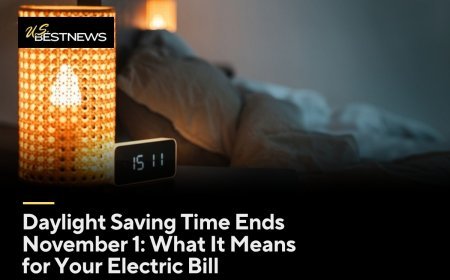
On Sunday, November 1, 2026, daylight saving time ends in most of the United States, and clocks go back an hour at 2 a.m. local time. The extra hour of sleep gets the attention. The electric bill gets a quieter change: evening arrives earlier, lights come on sooner, and the house begins its winter pattern while the calendar still says fall.
The clock change itself does not magically make electricity expensive. It shifts when you use it and exposes habits built for brighter evenings. A few checks in the last week of October can stop the first dark evening from becoming a month of timers running at the wrong hour and lights burning in empty rooms.
What changes on the bill, and what does not
Your total electricity use depends mostly on heating, lighting, appliances, and how many people are home. Moving sunset earlier tends to add lighting in the late afternoon and evening, while the brighter morning may reduce some early lighting for people who rise before dawn. Studies of daylight saving and energy have found mixed and generally small effects, which is another way of saying your house will decide the result.
Heating is the larger winter driver in many homes. As November evenings cool, the heating system works longer whether the clock says five or six. Do not blame the time change for a bill driven by the first real cold week. If your utility account shows daily or hourly use, compare similar-weather days rather than pointing to the week before and after the clocks change and calling it proof.
If you have electric heating, a heat pump, or electric water heating, those loads deserve more attention than a lamp. A small change in thermostat routine or water-heater timing can outweigh careful light switching. The clock change is a prompt to review the house, not a promise that one bulb will rescue the winter bill.
If you are on time-of-use rates, the peak may move
Some utilities charge more during defined peak hours and less off-peak, and the peak window can differ by season. After November 1, your family's busiest hour may land inside the peak even if your routine feels unchanged, because dinner, baths, laundry, and homework now happen in darkness under the new clock. Check your utility account for the winter schedule rather than assuming summer hours still apply.
Shift what is easy to shift. Run the dishwasher after the peak where your plan allows, delay laundry on work-from-home days, and charge devices or an electric vehicle during the cheaper window if you already use a timer. Do not create a safety or mold problem by delaying essential heating or ventilation. Saving a little on a load that must run is not a victory if the house becomes damp or uncomfortable.
Smart plugs and appliance timers may need their clocks checked. Some update automatically through an app; older timers can drift an hour until you reset them. Outdoor lights, pool or pump timers where relevant, aquarium or grow lights, and a heated birdbath or pipe-heating cable in a cold climate should all be checked against the new time and the actual darkness.
Lighting: fix the rooms that burn longest
Walk the house at the hour your family gets home after the change. Which lights go on first and stay on latest? Kitchen, hallway, bathroom, and the outside light by the door usually beat a rarely used guest room. If bulbs there are still older types, replacing the highest-use ones with efficient bulbs you already trust can help, but buy for brightness and color you like so the new bulbs stay in place.
Use the light you need at the level you need it. Task lighting at a desk or kitchen counter can be better than lighting a whole room to ceiling brightness for homework or chopping onions. Motion or dusk-to-dawn controls for outdoor lighting can stop a porch light burning from breakfast to midnight, though in rental homes you may need the landlord's agreement for fixture changes.
Do not turn safety into a saving target. Stairs, entrances, icy paths, and the route to a bin or car need reliable light in the darker evening. A fall costs more than a month of porch light. Aim the effort at empty rooms, forgotten timers, and lights left on after everyone has moved to one part of the home.
Heating routines for darker evenings
People gather earlier in warm rooms when darkness falls. If one room becomes the evening base, avoid heating unused bedrooms to the same level where your system allows safe adjustment, but never close off so much that pipes in exterior walls are put at risk in cold weather. Your heating type and climate decide what is sensible. If in doubt, ask a heating technician rather than copying a neighbor's setup.
Check the thermostat schedule against the new routine. A program built around summer wake and bed times may now warm an empty house in bright morning or let the evening room cool just as everyone sits down. Small timing changes made once are better than daily manual battles with the thermostat, which usually end with it left high.
Curtains and blinds become energy tools again. Open them for useful sun on bright days where it warms living spaces, and close them after sunset to reduce the chill felt near glass. This does not replace insulation, and heavy coverings should not trap condensation unnoticed on windows. Check for damp if you use them through a cold spell.
Check the bill you are actually on
Many households do not know whether they are on a flat rate, a time-of-use plan, or a plan with seasonal prices. Your bill or online account names the tariff, and the utility site explains its hours. Ten minutes finding that page is worth more than a winter of turning lights off at what you hope is the expensive hour while a heater runs unnoticed through it.
If your home has a smart meter, look at an ordinary weekday after the clock change and find when use rises. The picture can reveal a water heater, heating cycle, or appliance timer running at an hour nobody expected. Do not chase every spike. Look for the repeat pattern, because bills are built from repeats, not from one kettle on one memorable evening.
If you rent, separate what you control from what the landlord controls. You may choose bulbs, timers, and appliance habits while the heating system and insulation belong to the owner. A polite note showing a winter problem, such as a timer-controlled communal light burning all day, can still save you money if service charges are shared. Evidence from the meter pattern makes that note constructive.
A thirty-minute clock-change routine
Use the hour you gain for the house, not only for sleep, though sleep is a legitimate use. Reset clocks that do not update themselves, check timers, test outdoor lights, and look at smoke and carbon-monoxide alarm batteries if that is your household's twice-yearly routine. The fire-safety habit of checking alarms when clocks change remains a practical reminder even though alarm guidance now varies by model.
Open your last electric bill or utility app and note the rate plan, any peak hours, and your average daily use. Then set one change only: a timer corrected, a laundry hour moved, the brightest-room bulbs swapped, or a thermostat schedule aligned with November life. One completed change beats a list of intentions discovered again when clocks spring forward.
Daylight saving's end will not decide your winter electric bill. Heating weather, your rate plan, and the hours your home is alive after dark will. November 1 simply turns the lights on earlier and asks whether the house is ready. Answer with a timer check and one sensible shift, then let the extra hour do its best work.
What's Your Reaction?
 Like
0
 Dislike
0
 Love
0
 Funny
0
 Angry
0
 Sad
0
 Wow
0