






















Cheap Winter Date Nights That Don't Feel Cheap

The first week the sun sets before dinner, something shifts. Evenings feel shorter, the couch gets more appealing and the old dinner-and-a-movie routine starts to look like an expensive habit. It is easy to let date night slide until spring, because nothing outside sounds fun and everything inside seems to cost money.
The good news is that a date night is mostly a plan and a mood, not a price tag. Think of it as ordering from a menu. Pick one starter, one main, one dessert or activity and, if you like, one extra. Mix and match for a total that suits your budget. Every dollar figure below is a rough example to show the idea, not a quote. Prices vary a lot by town, so use them as a starting point.
Starters: set the mood ($0 to $10)
A starter makes the night feel like an event before the main course begins. Pick one.
The thermos walk. Fill a thermos with hot chocolate or spiced cider, bundle up and take a walk after dark in a part of town you rarely visit. A downtown shopping street, a quiet neighborhood or a park path all work. Cost: the price of the cocoa mix or cider, a few dollars at most.
Cold-night stargazing. On a clear night, winter stars show up early in the evening, so you do not have to stay out late. Drive a few minutes away from bright streetlights, bring a blanket and a sky-map app (many are free), and see what you can find. Cost: gas and the thermos.
The shared coffee shop stop. Order one fancy drink and one pastry and split them at a small table. It feels like a treat because it is, and the bill is small. Example cost: $6 to $10 for two.
The dress-up rule. This one is free. Agree to dress like you are going somewhere nice, even if you are staying in. Put on a shirt that is not your couch shirt. It sounds silly and it works.
Mains: dinner without the restaurant bill ($10 to $30)
Restaurant night at home. Choose a cuisine, write a simple menu on a card and cook it together. Two courses count. Light candles, put on a playlist and use real plates. The ingredients for a pasta night, a taco spread or a stir-fry for two might run $15 to $30 at the grocery store, depending on what is already in your pantry. Dinner out for two can cost much more, and you skip the tip.
The takeout picnic. Order one favorite dish from a place you love, then eat it on a blanket on the living room floor with cloth napkins. You get the restaurant flavors without paying for a full meal each. Example cost: $12 to $20 for one shared entree and a side.
Lunch instead of dinner. Many restaurants charge less at lunch for similar food. Go on a weekend afternoon, dress up a little and make it your date. Prices vary, so check the lunch menu online first.
Happy-hour dinner. If a spot you like has a bar menu or happy-hour appetizers, order a couple of dishes and call it dinner. Check the hours and the menu ahead of time, since deals vary.
Extras: a little activity ($0 to $15)
The $10 thrift challenge. Give each other $10 and 30 minutes in a thrift store to find the funniest or best gift for the other person. Swap, open them over dessert and keep the ones you love.
The bookstore swap. Each of you picks a book for the other, under a set limit such as $10, and writes a note inside the cover. Used bookstores can stretch the limit.
Trivia or game night out. Many local bars and cafes host weekly trivia nights that are free to join. You buy a drink or an appetizer and compete as a team of two. Ask around or check local listings, since schedules vary.
A lesson at home. Pick a dance, a recipe or a drawing tutorial on a free video site and learn it together. You will be bad at it, which is half the fun.
Off-peak play. If you want something like bowling or mini golf, ask about weekday afternoon or early-evening pricing. Rates are often lower at off-peak times, and you may get a lane or course nearly to yourselves. Example cost: $15 to $30 for two, depending on where you live.
Desserts: finish with something that feels fancy ($0 to $15)
Dessert at the nice place. Go to a restaurant you would never choose for a full dinner, sit at the bar or a table and share one great dessert and two coffees. Example cost: $12 to $20 for the pair. You get the candlelight and the cloth napkins for a fraction of a full meal.
Bake together. Make a batch of cookies or a small cake and eat the first warm piece right away. Example cost: a few dollars if you have flour, sugar and butter on hand.
Grocery-store flowers or good chocolate. Splurging on one nice thing, like a small bouquet or a bar of chocolate you do not usually buy, signals that the night is special. Example cost: $5 to $10.
Three sample nights with rough totals
The $10 night: thermos walk after dark, split coffee-shop pastry on the way home and a free dress-up rule. Total: roughly $10 for two.
The $30 night: restaurant night at home with a simple two-course menu, candles and a bar of good chocolate for dessert. Total: roughly $20 to $35, depending on your pantry.
The $40 night: a shared dessert at a favorite cafe, followed by the thrift challenge at $10 each. Total: about $35 to $45, depending on local prices.
Winter planning notes
A few cold-weather details can save the night. Check the forecast and keep an indoor backup in your pocket, such as the at-home menu, in case the weather turns. Venues sometimes cut their hours in winter, so confirm closing times before you head out. If you are going downtown, look up parking costs ahead of time, since a parking fee can turn a cheap night into a pricier one. And dress for the walk, not the photo: warm layers, real gloves and a blanket in the car make the cold part of the fun instead of the thing you endure.
How to make cheap not feel cheap
Plan it. A night that is thought through, even loosely, feels more special than one you stumble into at 7 p.m. when everyone is tired and hungry. Pick a night, pick a menu and put it on the calendar.
Take turns. Alternate who plans so each of you gets surprised at least some of the time. Setting a spending cap for each turn, such as $20, makes it a fun challenge.
Keep phones away. Put them in a drawer for the main part of the evening. Attention is the one thing every good date has in common, and it costs nothing.
Trade nights if you have kids. If child care is the biggest cost, ask another couple to swap nights. You watch their kids on one Saturday and they watch yours the next.
Name your nights. A "Fancy Soup Friday" or "Winter Picnic" turns a dinner into a tradition, and traditions are what couples remember.
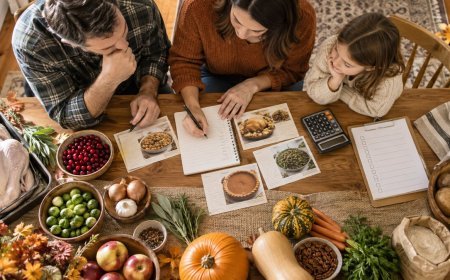
Set a monthly date-night budget with your partner, even a small one. Knowing what you have to spend turns the planning into a game instead of a source of friction.
What's Your Reaction?
 Like
0
Like
0
 Dislike
0
Dislike
0
 Love
0
Love
0
 Funny
0
Funny
0
 Angry
0
Angry
0
 Sad
0
Sad
0
 Wow
0
Wow
0