























How to Build a Thanksgiving Grocery List Without Buying Too Much
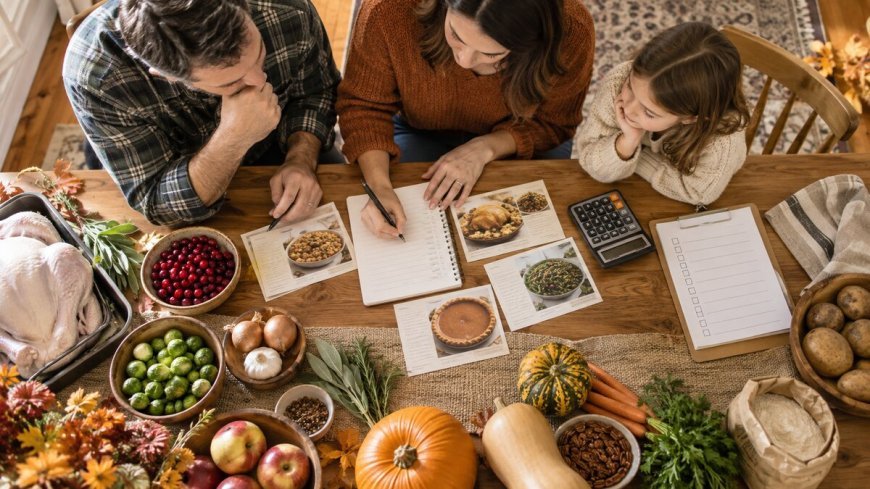
Thanksgiving week turns even calm shoppers into aisle sprinters. You grab an extra pie “just in case,” three kinds of stuffing mix, and a cranberry sauce nobody asked for. By Friday the fridge looks like a leftover museum and the receipt looks like a second turkey.
You do not need a chef’s spreadsheet. You need a headcount, a pantry check, and a one-trip list that feeds everyone without buying a second holiday. This plan keeps the table full and the waste pile small.
Start with people, not recipes
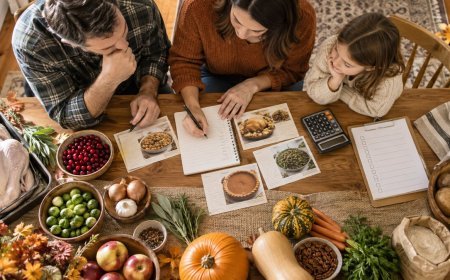
Write the guest count before you open a single recipe tab. Separate adults, teens, and little kids if portions differ. Note who is vegetarian, gluten-free, or bringing a dish. A list built on “maybe twelve people” is how you end up with eighteen pounds of potatoes for nine.
If someone always cancels last-minute, plan food for confirmed yeses plus one buffer plate, not for the whole group chat. You can stretch sides. You cannot un-buy a second dessert tray after it sits on the counter.
Check the pantry before the store owns your cart
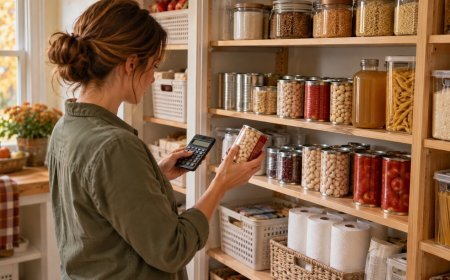
Open the cabinets and fridge with your phone camera on. Snap broth, flour, sugar, spices, foil, parchment, butter, eggs, onions, and any half-used bags of frozen veg. Cross those off the list before you leave the house. Duplicate staples are the quiet budget killer of Thanksgiving week.
Also check serving pieces. If you already own disposable pans or have enough roasting trays, skip the “holiday aisle” display that sells you three more. Packaging is not hospitality.
- Broth, stock, gravy base, and canned goods already on hand
- Baking staples: flour, sugar, spices, oil, butter, eggs
- Foil, wrap, bags, parchment, and containers for leftovers
- Onions, garlic, celery, carrots, and freezer veg still usable
Build the menu in three lanes
Keep the menu in three lanes: must-haves, nice-to-haves, and guest-brought. Must-haves are turkey or main, one starch, one green, gravy, and a dessert people will actually eat. Nice-to-haves are the second pie, the fancy relish tray, and the experimental side that only you love. Guest-brought dishes get a named owner so you do not buy a backup “in case they forget.”
Cap nice-to-haves at two for a small gathering and three for a big one. If a dish is not assigned to a lane, it does not go on the list. That rule alone cuts the wandering cart problem.
Do headcount math the boring way
For turkey, many households land around three-quarters to one pound of bird per person when you want leftovers, less if the bird is breast-heavy and sides are heavy. For mashed potatoes, plan roughly a half-pound of potatoes per person. For stuffing, think a generous scoop each, not a full bakery loaf per guest. Write the pounds and boxes next to the guest count so the store trip is arithmetic, not vibes.
For drinks, count cups per person for the meal window, not the whole afternoon of grazing. A cooler of extras is fine if you host every year; buying six specialty sodas “for the kids who might show” is how half-flat bottles haunt January.
One-trip list structure that survives the store
Organize the list by store path: produce, meat, dairy, frozen, baking, drinks, paper goods. Put quantities in the same line as the item. “Potatoes — 5 lb” beats “potatoes?” when you are tired and the endcap is yelling.
Leave a small blank labeled “only if missing at home” for foil or ice. Do not leave blank space for inspiration. Inspiration is how the cart grows a cheese board you did not budget.
- Produce and herbs with exact pounds or bunches
- Main protein with weight tied to headcount
- Dairy and bakery with counts, not “some”
- Sides and canned goods only if pantry check failed
- Drinks and ice matched to meal window, not all-day hope
- Paper goods only after checking drawers and garage
Shop early for the heavy stuff, late for the fragile stuff
If your schedule allows, buy nonperishables and the turkey a few days ahead when shelves are calm. Pick up salad greens, bakery rolls, and fresh herbs closer to the day so you are not tossing wilted cilantro on Wednesday night. Two short trips with a locked list beat one frantic mega-trip that invites panic buying.
If you only get one trip, shop the list top to bottom and treat the holiday displays as scenery. Endcaps are designed for people who forgot to plan. You already planned.
Handle “just in case” items with a hard cap
Give yourself a tiny contingency budget — cash or a mental cap of two items. Examples: an extra box of stock if gravy worries you, or a backup dessert if the oven is unreliable. Write the cap on the list. When the third “just in case” appears in your hand, put it back.
Neighbors and group chats will offer last-minute “we always buy two pies” advice. Borrow wisdom, not their cart size. Your fridge, not theirs, has to close.
Sides and desserts: fewer better dishes
Three excellent sides beat six mediocre ones that each required a special ingredient. Pick sides that share onions, butter, and herbs so you are not buying five unique bottles for one meal. For dessert, one strong pie plus ice cream or whipped cream usually lands better than three half-eaten options.
If guests insist on bringing dessert, let them. Assign savory sides to people who cook savory well. Duplicate desserts are the most common Thanksgiving waste after bread.
Leftover plan before you swipe the card
Decide where leftovers will live. Clear a fridge shelf. Set out containers. Know whether you are freezing turkey stock, packing lunches, or sending guests home with labeled boxes. A leftover plan turns “extra” into meals instead of guilt.
If your household hates leftovers, cook closer to exact portions and lean on sides that reheat well for one day only. Buying for imaginary future-you who loves turkey soup is still overbuying if present-you will not make the soup.
- Clear fridge space the night before shopping
- Have containers and labels ready before carving
- Freeze broth and meat within a safe window
- Send guests home with portions only if they want them
Store brands and unit prices without hunting forever
Thanksgiving is not the week to sample five new specialty mustards. Compare unit prices on broth, butter, flour, and disposable pans — the boring items that add up. Store brand usually wins on staples. Splurge only where taste really matters for your table, like a specific pie filling or a better loaf for stuffing.
If a warehouse club run is on the calendar, buy only what matches your headcount math. A giant mayonnaise jar is not a bargain if half of it spoils before you host again. Match package size to the meal plus one planned leftover use.
A simple Thanksgiving list checklist
- Confirm guest count and dietary notes in writing
- Photograph pantry staples and cross duplicates off
- Sort menu into must-have, nice-to-have, guest-brought
- Convert headcount into pounds and boxes on the list
- Organize the list by store path with quantities
- Cap “just in case” at two items or a small dollar limit
- Prefer fewer sides and one solid dessert
- Plan leftover storage before you check out
This week, write the people first, then the pounds, then the list. Walk the store once with quantities already decided. A full table does not require a cart that needs its own ZIP code — it requires a plan you can still read when you are hungry in aisle seven.
What's Your Reaction?
 Like
0
Like
0
 Dislike
0
Dislike
0
 Love
0
Love
0
 Funny
0
Funny
0
 Angry
0
Angry
0
 Sad
0
Sad
0
 Wow
0
Wow
0