



























Can Family Caregivers Get Paid? Medicaid and VA Programs Explained
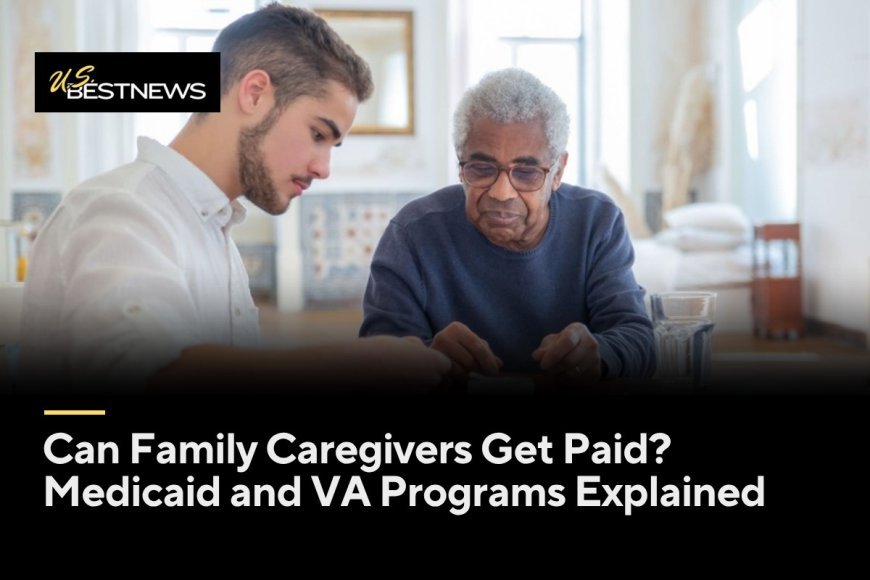
The common mistake is assuming the answer is no. Many families spend months or years caring for a parent, spouse, or adult child without pay, cutting work hours and draining savings, because nobody told them that some public programs can pay a family member to provide care. The programs are real. They are also uneven, slow, and full of rules that vary by state.
This guide walks through the two main routes: Medicaid programs that let the person receiving care direct their own services, and programs run by the Department of Veterans Affairs for eligible veterans. It will not tell you a dollar figure, because pay rates differ widely. It will help you ask the right agency the right questions.
Who is actually being paid, and why it matters
In most of these programs, the money follows the person who needs care, not the caregiver. The older adult or veteran qualifies first, based on their health needs and, for many programs, their income and assets. Once they qualify, the program may allow them to hire a family member as their paid caregiver instead of an outside agency worker.
That means your first step is not filling out a job application. It is confirming whether your loved one qualifies for Medicaid long-term care services or VA benefits. If they do not, the caregiver pay options below generally do not open up, no matter how much care you provide.
It also means the person receiving care, or their legal representative, usually has a say in hiring and supervising. Talk this through as a family early. Being both a relative and an employee can strain relationships if expectations about hours, duties, and pay are left vague.
Medicaid self-directed care: the most common route
Many state Medicaid programs offer home and community-based services, sometimes called HCBS waivers, for people who would otherwise need nursing-home-level care. Within these programs, some states offer self-directed or consumer-directed options. These let the person receiving care choose and hire their own caregiver, and in many states that caregiver can be a family member.
Rules on which relatives can be paid vary. Some states allow adult children but not spouses, some allow spouses under certain programs, and some exclude legal guardians. Programs may also cap the number of paid hours based on an assessment of need. A program name in one state may mean something different in another, so ask specifically about self-direction.
Waiting lists are common for waiver programs. Apply as soon as needs become clear, even if you think you can manage for now. Your state Medicaid agency, your local Area Agency on Aging, or the Eldercare Locator can tell you which programs exist where your loved one lives and how to start an application.
VA programs for caregivers of veterans
The VA runs a Program of Comprehensive Assistance for Family Caregivers, which can provide a monthly stipend, training, and other support to eligible family caregivers of veterans who have a serious injury or illness connected to their service and need personal care. Eligibility rules are detailed, and both the veteran and caregiver must apply and be assessed.
There is also a Program of General Caregiver Support Services, open to caregivers of a wider group of veterans, which offers training, peer support, and resources but not a stipend. Some VA medical centers also offer Veteran Directed Care, which gives eligible veterans a budget to hire their own help, sometimes including family members.
Separately, some wartime veterans and survivors who qualify for a VA pension may receive an added Aid and Attendance amount when they need help with daily activities. That money goes to the veteran, who may choose to use it to pay a family caregiver. Each VA medical center has a Caregiver Support Team that can explain what fits your situation.
What applying actually looks like
Expect an assessment. A nurse, social worker, or program staff member will usually evaluate the person needing care, often at home, to decide how much help they need with bathing, dressing, eating, moving, and managing medicines. Keep notes before that visit about what a typical day and a bad day look like. Specifics help the assessor see the real need.
Expect paperwork for the caregiver too. Paid family caregivers may need a background check, training, and enrollment with a fiscal agent that handles payroll and taxes. Time sheets are typically required. Payments may take weeks to start after approval, so plan your household budget for a gap rather than counting on the first check right away.
Keep copies of everything you submit, along with the names of the people you spoke with and the dates. If an application stalls, a polite follow-up with a reference number moves faster than starting over. If you are denied, the notice should explain appeal rights and deadlines. Read it the day it arrives.
Pay, taxes, and protecting the caregiver
Ask how the pay rate is set, whether it is hourly, and how many hours the plan authorizes. Ask who is the employer of record, because that affects tax forms and protections. In many self-directed programs, a fiscal intermediary handles withholding and issues tax forms. Ask whether workers' compensation or similar coverage applies if you are injured while providing care.
Some payments to family caregivers through certain Medicaid waiver programs can receive special tax treatment, while other caregiver pay is ordinary taxable income. The rules are specific, so confirm with the program and a tax professional rather than assuming. This piece is about getting paid through a program; private family pay arrangements raise separate household employment questions.
Watch for effects on your own benefits. Caregiver income can affect eligibility for programs you receive, such as unemployment, disability, or income-based assistance. It can also help you, by counting toward Social Security work credits when taxes are withheld. Ask before accepting so there are no surprises.
If no program fits yet
If your loved one does not qualify today, ask what would change that. A new diagnosis, a hospital stay, or spending down savings on care can shift eligibility. Ask the agency to note your inquiry, and call back when circumstances change instead of assuming the first answer is final.
Questions to bring to every call
Before you call, write down your loved one's diagnosis, current help needed, income sources, and whether they are a veteran with discharge papers available. Then ask each agency the same core questions: Do you offer a self-directed or family caregiver option? Which relatives can be paid? Is there a waiting list? Who handles payroll and taxes?
Ask what happens if needs increase or if you, as the caregiver, get sick. A plan for backup care protects your loved one and keeps you from burning out. Ask about respite care, which some programs offer to give regular caregivers time off. Unpaid caregivers often skip this question, and it matters as much as the paycheck.
Getting paid as a family caregiver is possible for many households, but it rarely happens automatically. Start with your state Medicaid agency or Area Agency on Aging, and the VA Caregiver Support Line if a veteran is involved. Ask specific questions, keep records, and apply early. The work you are already doing may qualify for support you did not know existed.
What's Your Reaction?
 Like
0
 Dislike
0
 Love
0
 Funny
0
 Angry
0
 Sad
0
 Wow
0