

















Kids' Bikes and Ride-On Gifts: Sizing, Safety Gear, and the Costs After Unwrapping
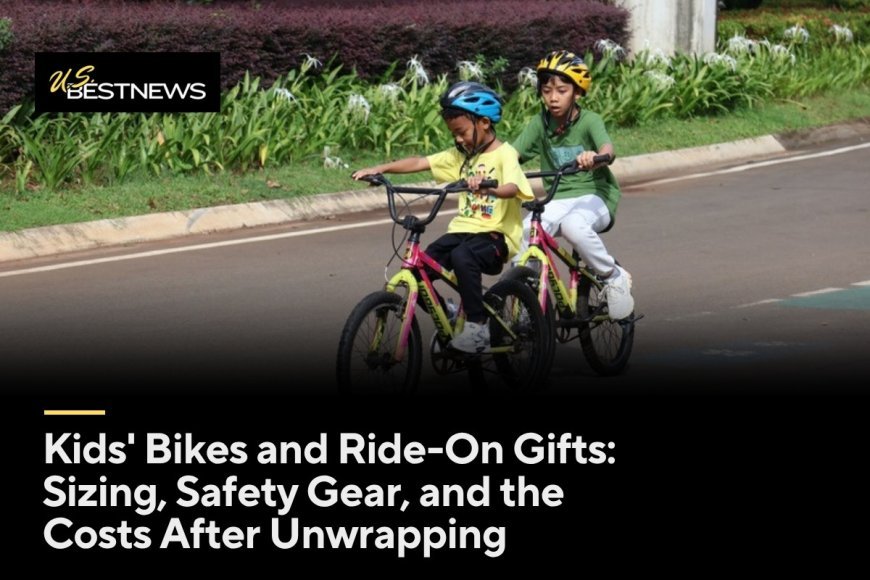
A shiny new bike under the tree is a classic gift moment. What often follows is less classic: the bike is too big, the helmet is missing, the battery on the ride-on car dies by noon, and someone is driving to the store on December 26. A little planning before you buy can make the gift safer, more fun, and less expensive after the wrapping paper is gone.
This guide covers how to choose the right size, the safety gear that should come with the gift, and the extra costs that come with bikes, scooters, and battery-powered ride-on toys.
Get the size right
Kids' bikes are usually sized by wheel diameter, not frame size. Common sizes range from small balance bikes for toddlers to larger wheels for older kids. But age is only a rough guide. The child's height and inseam matter more.
A child should be able to sit on the seat with the balls of their feet touching the ground, and stand over the frame with a little clearance. For beginners, being able to put both feet down helps build confidence. If possible, take the child to a store to try a few bikes, or measure their inseam at home and use the manufacturer's sizing chart.
Buying a bike too big to grow into can make it harder and less safe to ride. A bike that fits now is usually a better choice. Many families buy used bikes as kids grow quickly, or pass bikes down to younger siblings.
Balance bikes, training wheels, and pedals
Balance bikes, which have no pedals, let young children learn to steer and balance by pushing with their feet. Many kids who start on balance bikes move to pedal bikes without training wheels. Training wheels can help some children, but they may slow down learning balance.
Look for features that make riding easier, such as lightweight frames, hand brakes sized for small hands, and adjustable seats. Coaster brakes, which work by pedaling backward, are common on kids' bikes. Make sure the child can use whatever brakes the bike has.
Check the bike when it arrives. Many bikes come partially assembled, and assembly mistakes can make a bike unsafe. If you are not comfortable assembling it, a bike shop can help, sometimes for a fee.
Safety gear is part of the gift
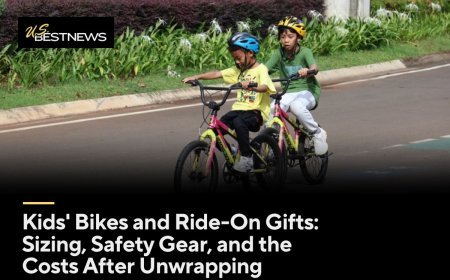
A properly fitting helmet is essential. In the United States, bicycle helmets should meet the Consumer Product Safety Commission's safety standard, which is noted on a label inside the helmet. The helmet should sit level on the head, cover the forehead, and fit snugly with the straps buckled.
Consider other gear based on the activity. Knee and elbow pads and wrist guards can help with scooters and skateboards. Bright clothing, lights, and reflectors help kids be seen, especially in early dusk during winter months.
Wrap the helmet with the bike so it becomes part of the gift. Kids are more likely to wear safety gear if it comes with the excitement of the new ride.
Battery-powered ride-on toys
Electric ride-on cars, scooters, and hoverboards are popular gifts. Check the age and weight limits, and make sure the toy is appropriate for the child's size and skill. Look for speed settings, parental remote controls on toddler ride-ons, and sturdy construction.
Batteries need care. The CPSC has warned about fires linked to lithium-ion batteries in some e-bikes, scooters, and hoverboards. Buy products certified to recognized safety standards, use the charger that came with the product, and do not charge devices overnight or near flammable materials. Stop using a battery that is damaged, swollen, or overheating.
Think about where the toy will be used. Many ride-on toys need flat, open space and are not safe on streets. Winter weather may limit outdoor use for months, so plan where kids can ride safely.
The costs after unwrapping
Budget for extras. A helmet, lock, lights, and a bell can add a meaningful amount. Ride-on toys may need replacement batteries or chargers. Scooters and bikes may need new tires, tubes, or brake pads after heavy use.
Consider storage. Bikes and ride-on toys take up space. A wall hook or rack can keep a garage organized. Batteries should be stored and charged according to the manufacturer's instructions, often in a cool, dry place.
Plan for growth. Kids may outgrow a bike in a year or two. Buying used, joining a bike swap, or buying a model that can be adjusted can save money. Some communities have bike libraries or programs that offer low-cost bikes for kids.
Check recalls and reviews
Before buying, search for recalls on the CPSC website, SaferProducts.gov, or the manufacturer's website. Recalls can involve brakes, frames, batteries, and more. Register the product with the manufacturer so you can be notified of future recalls.
Read reviews from parents and look for comments about assembly, durability, and battery life. Be cautious with very low-priced products from unfamiliar sellers, especially those with batteries.
If you buy used, inspect the bike or toy carefully. Check brakes, tires, chains, and frames, and look up the model for recalls.
Scooters and skates
Kick scooters and roller skates are popular gifts for kids who are not ready for bikes. Look for adjustable handlebars and wide decks on scooters, and sturdy wheels and good ankle support on skates. A helmet and pads are just as important for these as for bikes.
Electric scooters often have age and weight limits and may not be allowed on sidewalks or streets in some areas. Check local rules before you buy. Some cities restrict where electric scooters can be ridden, especially by minors.
Teach kids basic safety rules: ride in safe areas, watch for cars, and stop at driveways and crossings. Practicing together before the child rides alone builds skills and confidence.
Make the first ride a success
Plan the first ride for a safe, open place, like an empty parking lot or a park path. Adjust the seat, check the brakes, and make sure the helmet fits. Bring patience. Learning to ride takes time, and encouragement goes a long way.
If weather is cold, plan indoor practice for ride-on toys or wait for a mild day for the first ride. A little planning can turn the gift into a great memory.
Finally, think about the child's interests and skills. A bike that matches their level of confidence will get used. One that is too fast, too heavy, or too complicated may sit in the garage. Ask them what they want, or watch what they enjoy at the park, before you buy. The right gift is the one they will ride.
For older kids, ask whether a multi-speed bike makes sense. Gears help on hills, but they add cost and maintenance. A simple single-speed bike is often easier for younger riders to learn on and cheaper to keep running.
Before you wrap it
A bike or ride-on toy can be a wonderful gift that gets kids outside and active. The key is choosing the right size, including safety gear, and planning for the costs and care that come after unwrapping. A well-fitting bike and a helmet make the gift safer and more fun.
Check recalls, follow battery safety guidance, and budget for extras. With a little planning, the gift will bring smiles long after the holiday.
What's Your Reaction?
 Like
0
 Dislike
0
 Love
0
 Funny
0
 Angry
0
 Sad
0
 Wow
0