



















The Weatherization Assistance Program: Free Home Upgrades for Eligible Households
Drafty windows, a furnace that runs constantly, and heating bills that eat into a fixed income are a familiar winter story for many households. What fewer people know is that a federal program can pay for upgrades that make a home cheaper to heat and cool, at no cost to eligible households. It is called the Weatherization Assistance Program, and it has been around for decades.
The program, funded by the U.S. Department of Energy and run through state and local agencies, focuses on households with limited incomes and gives priority to older adults, people with disabilities, and families with children. Here is how it works, who may qualify, and how to apply before winter gets deeper.
What the program actually does
Weatherization is not a check. It is work done on your home. A trained energy auditor visits and tests the house to find where it is wasting energy. Then crews make improvements chosen to lower energy use and improve safety. The work is free to eligible households.
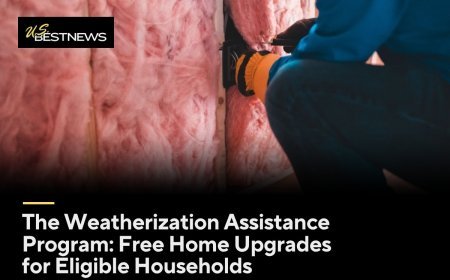
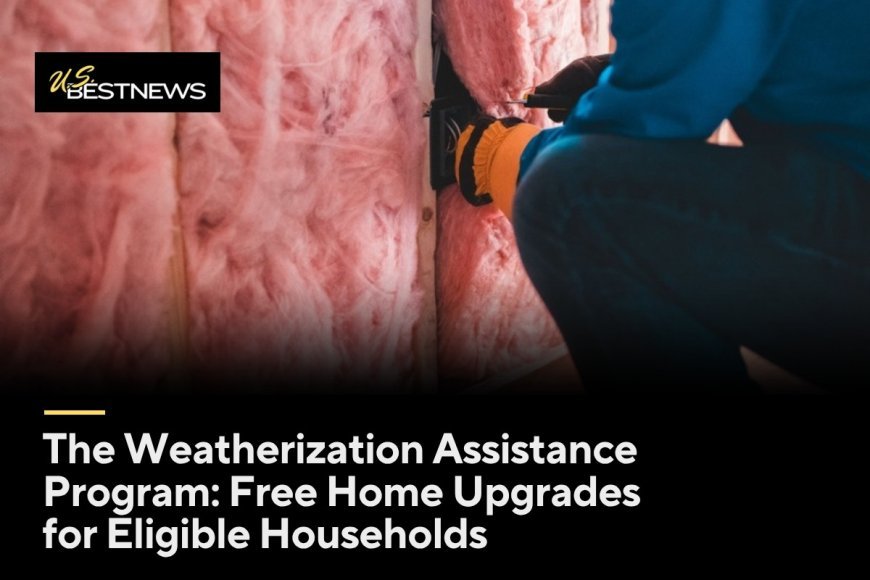
Common upgrades include adding insulation in attics and walls, sealing air leaks around doors, windows, and ducts, and repairing or replacing inefficient or unsafe heating and cooling systems. Some homes get upgraded water heaters, pipe insulation, or new lighting. Crews also check for safety issues like carbon monoxide.
The specific work depends on what the audit finds and what is cost-effective for that home. You do not get to choose a list of upgrades. The program prioritizes improvements that deliver the most savings for the money spent.
Who may qualify
Income limits are set by states within federal guidelines. In many places, households with incomes at or below 200 percent of the federal poverty guidelines may qualify. Some states use different measures, such as a percentage of the state median income. If anyone in your household receives certain benefits, such as Supplemental Security Income, you may automatically qualify.
Both homeowners and renters can apply. Renters typically need permission from the landlord, and some programs require landlords to agree to certain conditions, such as not raising the rent because of the improvements. Mobile homes and apartments may qualify too.
Priority often goes to older adults, people with disabilities, families with young children, and households with high energy costs relative to income. Even if you are not in a priority group, you may still be eligible, though you may wait longer.
How to apply
Start with your state's weatherization agency or a local community action agency. The Department of Energy's website has a tool to help you find your local provider. You can also call 211 or your utility company and ask how to apply in your area.
Expect to provide proof of income for everyone in the household, identification, a recent utility bill, and proof that you own or rent the home. Gather those documents before you call to speed things along.
Many programs have waiting lists, especially in winter. Apply as early as possible and ask how long the wait usually is. If your heating system is unsafe or broken, ask whether the agency has emergency services or can refer you to another program.
What to expect during the audit and work
An energy auditor will visit and may run a blower door test, which uses a fan to measure how leaky the house is. They may use special cameras to spot missing insulation and will check your heating system and appliances for safety. The visit can take several hours.
After the audit, the agency will schedule work. Crews may be on-site for one day or several, depending on the job. They will usually do a final inspection to make sure the work meets standards and that the home is safe.
Ask questions. A good auditor or crew leader will explain what they are doing and why. Ask how to maintain new equipment and what changes you can make at home to save more energy.
Pair weatherization with bill help
Weatherization lowers future energy use, but it does not pay your current bill. If you are behind on heating costs now, ask about the Low Income Home Energy Assistance Program, known as LIHEAP, which may help with bills or emergency heating needs. The same local agency often handles both programs.
Many utilities offer their own assistance programs, payment plans, and energy efficiency rebates. Some offer free energy audits or upgrades for eligible customers. Ask your utility what is available and whether it works with the weatherization program.
Combining programs can make a big difference. A household that gets bill help this winter and weatherization upgrades next spring may see lower bills for years.
Watch out for scams
Because weatherization is free, be wary of anyone who asks for payment to sign you up or guarantees approval for a fee. Legitimate agencies do not charge application fees. If someone knocks on your door offering free government upgrades, ask for identification and call your local agency to confirm before letting them in.
Do not give your Social Security number, bank information, or utility account number to someone who contacts you unexpectedly. Apply through an agency you have verified yourself, using contact information from a government website or your utility.
If you have been approached by a suspicious contractor, report it to your state attorney general or the Federal Trade Commission.
What weatherization can mean for a household
Department of Energy materials describe weatherization as lowering energy costs for households, with savings that continue year after year. The exact savings depend on the home, the climate, and what work is done. A drafty older house with little insulation may see a bigger difference than a newer home.
Weatherization can also make a home more comfortable and safer. Sealing drafts can reduce cold spots, and checking heating systems can catch carbon monoxide problems. For older adults and families with young children, those safety checks can matter as much as the savings.
Ask the agency for a summary of the work done and any expected savings. Keep it with your home records. If you sell or refinance the home later, documentation of energy improvements may be useful.
If you rent
Talk to your landlord early. Explain that the program is free for eligible households and may improve the property. Some agencies will contact the landlord for you. If your landlord agrees, ask for written permission, and keep a copy for your records.
Keep a copy of any permission letter with your lease, and share the agency's contact information with your landlord so they can ask questions directly.
Small steps while you wait
While you wait for weatherization, simple steps can help. Use draft stoppers at the bottoms of doors, seal window gaps with removable caulk or plastic film, and close curtains at night. Keep heating vents clear of furniture and change furnace filters regularly.
Turn the thermostat down a few degrees when you sleep or are away, if it is safe for your household. Wear layers and use blankets. Avoid using ovens or unsafe space heaters to heat the home.
The bottom line is that the Weatherization Assistance Program can make a home warmer, safer, and cheaper to run at no cost to eligible households. Contact your local agency, gather your documents, and apply early. The work done this year can keep paying off for many winters to come.
What's Your Reaction?
 Like
0
 Dislike
0
 Love
0
 Funny
0
 Angry
0
 Sad
0
 Wow
0