



























Winter Storm Damage and Home Insurance: What's Usually Covered and What Isn't
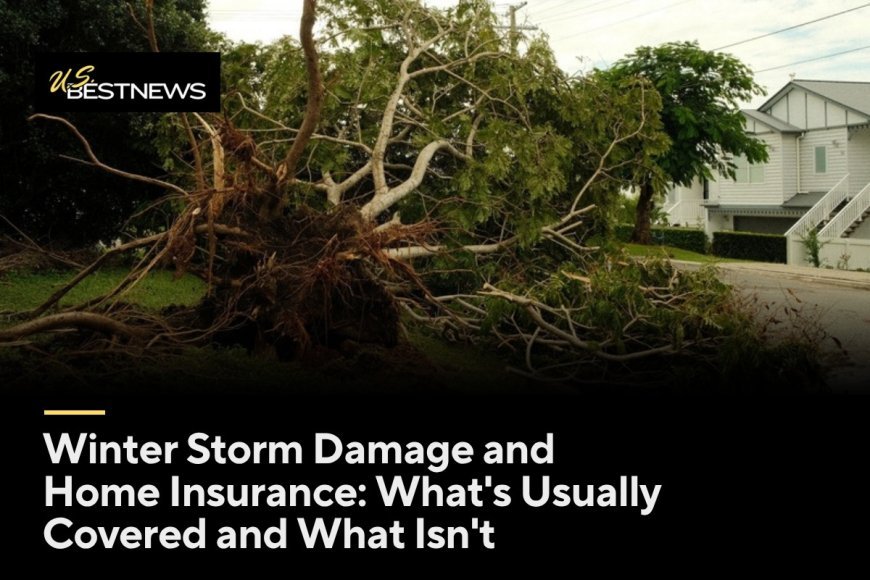
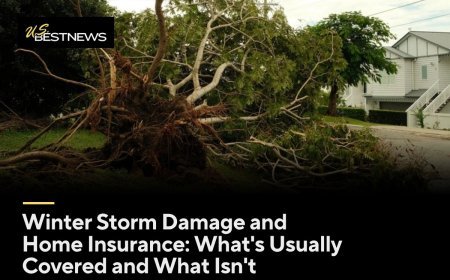
A tree limb crashes through the roof during an ice storm. Water from a burst pipe soaks the kitchen floor. Snowmelt seeps into the basement after a sudden thaw. All three are winter storm damage, but a typical homeowner's policy may treat them very differently. One may be covered, one may be covered with conditions, and one may not be covered at all.
The time to find out is before the storm, not while you are on hold with your insurer and the carpet is wet. This guide explains what standard policies usually cover, the common gaps, and the steps that protect both your home and your claim. Your own policy is what counts, so read it alongside this.
What is usually covered
Most standard homeowner's policies cover sudden and accidental damage from many winter perils. That often includes damage from wind and hail, falling trees or limbs that hit the house, and the weight of snow, ice, or sleet that causes a roof or structure to collapse. Fire from a space heater or chimney is usually covered too.
Burst pipes are commonly covered when the pipe freezes and bursts suddenly, and the policy may pay to repair water damage to the home and your belongings. Many policies do not pay to fix the pipe itself, only the damage it caused. Read the wording to see which applies to you.
If storm damage makes your home unlivable, loss-of-use coverage, sometimes called additional living expenses, may help pay for a hotel, meals, and other extra costs while repairs are made. Keep receipts. This benefit has limits, so ask how much and for how long.
What is often excluded
Flooding is the big exclusion. Standard homeowner's policies generally do not cover damage from rising water, including snowmelt that floods a basement from outside. Flood coverage is usually a separate policy, available through the National Flood Insurance Program or private insurers. FEMA notes that NFIP policies typically have a 30-day waiting period before coverage starts.
Gradual damage and poor maintenance are also commonly excluded. A slow leak that rotted a subfloor over months, or a roof that was already failing before the storm, may not be covered. Insurers look for sudden, accidental events. Keeping your home in good repair is part of keeping your coverage.
Frozen pipes can also be excluded if the home was left unheated without precautions. Many policies require you to maintain heat or to shut off and drain the water if you are away. If you leave for a winter trip, check what your policy expects.
The gray areas: ice dams, trees, and cars
Ice dams form when snow melts on a warm roof and refreezes at the edge, causing water to back up under shingles. Water damage inside the home from an ice dam is often covered, but the cost of removing the ice may not be. Policies vary, and some insurers look at whether the problem stemmed from poor maintenance.
Trees can be confusing. If a tree falls on your house or a covered structure, damage is generally covered regardless of whose tree it was. If a tree falls in your yard without hitting anything, removal may not be covered or may be limited. If your neighbor's tree hits your house, your own policy usually handles the claim.
Your car is not covered by homeowner's insurance. Damage from a falling limb or hail is typically handled under the comprehensive portion of an auto policy, if you have it. Check whether you carry comprehensive coverage before winter.
Read your policy before the storm
Pull out your declarations page and the full policy. Look for your deductible, and check whether you have a separate deductible for wind or named storms, which some areas use and which may be a percentage of your dwelling coverage rather than a flat amount. A percentage deductible can be much larger than you expect.
Check whether your policy pays replacement cost or actual cash value for your belongings. Replacement cost pays to replace items with new ones, while actual cash value subtracts depreciation. The difference matters after a storm ruins furniture, electronics, or clothing.
Look for endorsements you may need, such as water backup coverage, which may help if a sewer or drain backs up into your home. It is often an add-on, not included by default. Ask your agent about cost and limits.
Protect your home to protect your claim
Prevention helps you avoid damage and shows your insurer you took reasonable care. Clean gutters so melting snow can drain. Trim dead or overhanging tree limbs. Insulate pipes in unheated spaces and know where your main water shutoff is. Keep your heat at a safe level, even when you are traveling.
If a storm causes damage, take reasonable steps to prevent more. Cover a broken window or a hole in the roof with a tarp. Shut off water if a pipe bursts. Move belongings away from leaks. Most policies expect you to limit further damage, and the cost of temporary repairs is often covered.
Keep receipts for supplies and emergency repairs. Do not throw away damaged items until the adjuster has seen them or you have documented them thoroughly, unless they are a health hazard.
Filing a claim that holds up
Document before you clean. Take photos and videos of all damage, inside and outside, including close-ups and wide shots. Note the date and time. If you have a home inventory from before the storm, it will make proving your losses much easier.
Report the claim promptly. Many policies require timely notice, and delays can complicate things. Write down your claim number, the names of everyone you talk to, and what they said. Ask what the next steps are and when to expect the adjuster.
Get repair estimates from licensed contractors. Be wary of contractors who knock on doors after storms, demand large payments upfront, or ask you to sign over your insurance benefits. Check licenses and reviews. If you disagree with the settlement, ask for an explanation in writing and review your policy's appeal or appraisal process.
Renters have a different checklist
If you rent, your landlord's insurance generally covers the building, not your belongings. Renter's insurance can cover your personal property from many of the same sudden perils, along with liability and temporary living costs. Report storm damage to your landlord in writing right away, and photograph your own losses.
Make a ten-minute plan this week
Take a quick walk through your home with your phone and record a video of each room, opening closets and drawers. Save it somewhere off your phone, such as cloud storage or email. That one video can make a claim far easier.
Call your agent or insurer with three questions: What winter damage does my policy cover? What is my deductible for wind and storms? Do I need flood or water backup coverage? Write down the answers. It is a short call that can prevent a costly surprise.
In short, most policies cover sudden winter damage like fallen limbs and burst pipes, but flooding, gradual wear, and some ice-related costs often fall outside. Read your policy, prevent what you can, and document everything. When the next storm comes, you will know what to expect from your coverage.
What's Your Reaction?
 Like
0
 Dislike
0
 Love
0
 Funny
0
 Angry
0
 Sad
0
 Wow
0