



























The Best-Paying Seasonal Holiday Jobs, and How to Get Hired Fast
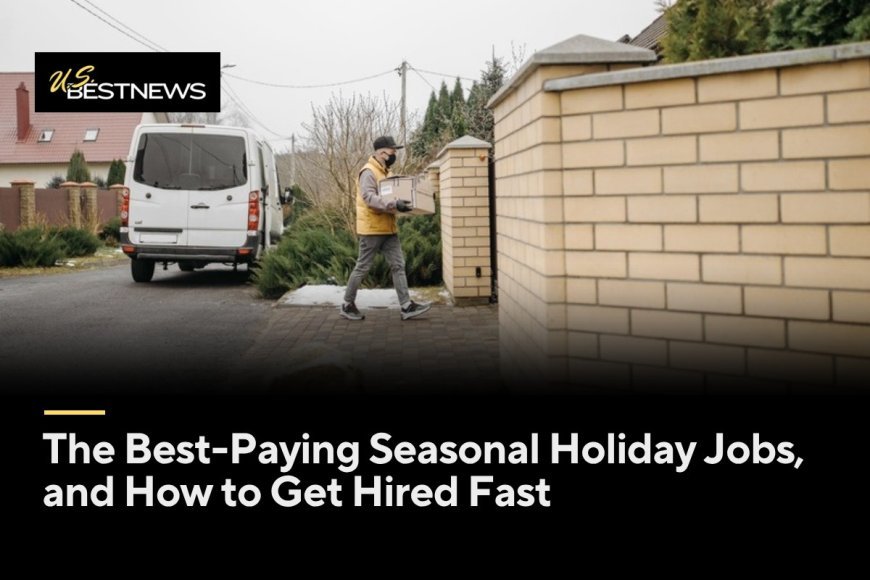
Want to pick up a few extra thousand dollars before the holidays without signing up for a long hiring process? Seasonal jobs are still one of the quickest ways to do it. The catch is that not every seasonal job pays the same, and the best ones tend to fill up early.
It is mid-October, so you are right on time if you move this week. Here is a simple ranking of the common seasonal job types, what they typically pay, and a one-week plan for getting an offer in hand.
First, set your expectations
Hiring looks a bit quieter this year. Outplacement firm Challenger, Gray & Christmas forecasts about 450,000 seasonal retail jobs in the fourth quarter, slightly below last year's 461,500. Many big retailers are leaning on existing staff and flexible schedules instead of hiring in huge waves.
That does not mean there are no jobs. Spirit Halloween announced 52,000 seasonal hires, Michaels said it would add more than 10,000 seasonal team members, and UPS announced plans for 100,000 seasonal workers. But with fewer openings overall, the early applicants tend to get the best shifts and locations.
The tiers: where pay and effort land
Official wage data is a handy yardstick. These are national medians from the Bureau of Labor Statistics for May 2025, so actual pay near you may be higher or lower, and posted pay for seasonal roles can differ.
Top tier, physical work: warehouse, sorting and package handling. Laborers and freight movers earned a median of about $40,240 a year, and hand laborers and material movers in the transportation and warehousing industry earned a median of about $44,710. Spread over a full-time year, that works out to roughly $19 to $21 an hour. The trade-off is that the work is physical and often runs nights, early mornings and weekends.
Middle tier, stocking and order filling. Stockers and order fillers earned a median of about $37,330 a year, or around $18 an hour. These jobs show up at big-box stores, grocery chains and online-order fulfillment, and they usually need little experience.
Lower-to-middle tier, in-store retail. Retail salespersons had a median hourly wage of $17.03, and general merchandise retailers came in a bit lower at $16.58. The pay is lower, but retail often comes with an employee discount, easier hours for students and parents, and a better chance at a permanent role.
A caution on delivery driving. UPS and other carriers do hire seasonal drivers and helpers, and those jobs can pay well, but requirements and pay vary. Check each posting for the license, age and experience rules rather than relying on a general number.
What a few weeks of work could add up to
Here is a quick illustration, not a promise. Say you work 20 hours a week for eight weeks. At $17 an hour that is about $2,700 before taxes. At $19 an hour it is about $3,000. A bump of a couple of dollars an hour for a physical job adds a few hundred dollars over the season.
Before you chase the highest hourly rate, count the extras. Shift premiums for nights or weekends, overtime, an employee discount and a bonus for finishing the season can all change which job is really best. So can commuting. A job paying $1 less that is five minutes away may beat a higher-paying one with a long drive.
Your one-week hiring sprint
Day 1: Pick your lane. Decide whether you want physical work, store work or something with set hours. Choose two or three employers within a reasonable drive.
Day 2: Update a short resume and have your basic details ready: work history, ID, availability. Many seasonal employers take applications online and move quickly. UPS says applicants can receive a job offer in under seven minutes, though that clearly depends on how many people are applying.
Day 3: Apply directly on the employer's own careers page or through the posting linked from it. Apply to several places rather than waiting on one.
Day 4: Be flexible and say so. Open availability, especially on weekends and the days around Thanksgiving, makes you far more likely to be hired. If you can do nights, say that too.
Day 5: Follow up. A short call or visit to the store or hiring office, mentioning the position you applied for, can move you up the pile.
Day 6: Check your email and phone, including spam folders. Many offers come by text or email and expire quickly.
Day 7: Take stock. If you do not have an offer, widen your search to include other employers, staffing agencies and nearby towns.
Quick tips for getting hired faster
Ask about training dates so you can start before the rush rather than during it. New hires who are trained and ready when the busiest weeks begin are often the ones offered extra shifts.
If you already have a job, ask whether you can pick up weekend or evening seasonal shifts and still keep your main schedule. Employers often like workers who can cover difficult shifts.
Think about which seasonal job could turn into a regular one. Michaels reported that nearly half of last year's seasonal in-store roles converted to regular positions, and UPS says seasonal roles can lead to permanent ones. If that is your goal, tell the manager.
Questions worth asking before you say yes
A job offer is the moment you have the most leverage, and a few plain questions can save you headaches later. They also help you compare two offers that look the same on paper.
What is the hourly rate, and is it the same on nights and weekends? Is there a guaranteed minimum number of hours, or can shifts be cut when it gets slow? Do you get paid weekly or every other week? When does the job start, and when is it expected to end?
Also ask who the employer is. Some seasonal work comes through a staffing agency, which can change who pays you and who schedules you. And ask what happens if you are asked to stay on after the holidays, so you are not caught off guard.
Mistakes that slow people down
Applying only once and waiting is the most common one. Seasonal hiring moves fast, so a single application can sit unseen. Another is limiting your availability, such as saying you cannot work any weekends, which can take you out of the running for the best-paying roles.
A third is skipping the details. Typos in a phone number or email address mean a missed call or a lost offer. Read your application once more before you send it, and answer calls from unknown numbers for the next week or two.
Avoid fake job offers
Holiday hiring season is also scam season. The Federal Trade Commission says honest employers will never ask you to pay for a job. Be wary of any offer that asks you to deposit a check and send some of the money back, which is a classic fake check scam, or to receive and reship packages at home.
Stick to employers' official websites and well-known job boards, and look up any company you do not recognize. If an offer seems too good for the work involved, walk away.
Where the money should go
A seasonal paycheck can feel like a windfall, and it is easy to spend it all on the holidays. Decide in advance what share goes to a goal. Some people put the first couple of paychecks toward a debt payment or an emergency fund, then use the rest for gifts and fun.
The sooner you apply, the more choices you will have. Seasonal pay and openings vary a lot by area, so check a few local postings before you decide, and keep your pay stubs for tax time.
What's Your Reaction?
 Like
0
Like
0
 Dislike
0
Dislike
0
 Love
0
Love
0
 Funny
0
Funny
0
 Angry
0
Angry
0
 Sad
0
Sad
0
 Wow
0
Wow
0