



























Pre-Approved Credit Card Offers in the Mail: What They Mean and How to Opt Out
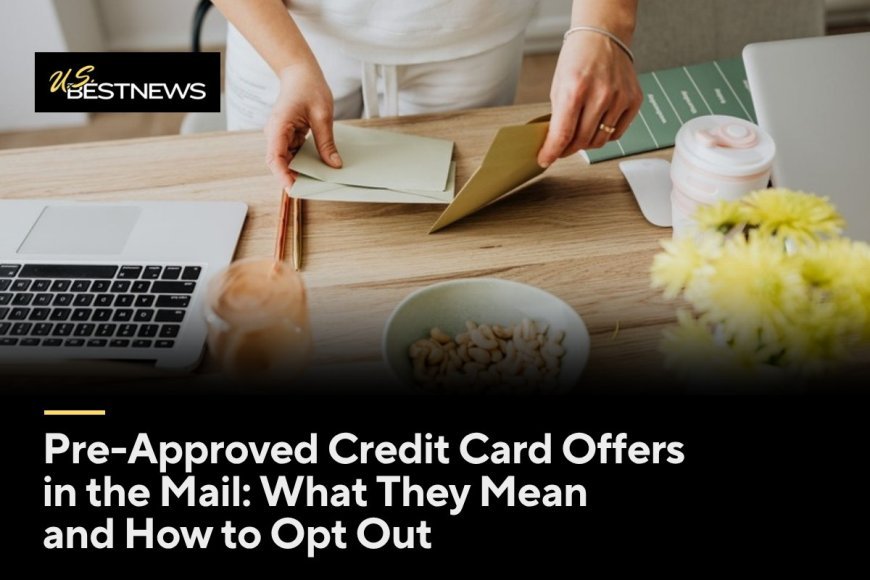
Pre-approved credit card offers trip people up in a familiar way: they treat the envelope as a verdict. Some people see "You're pre-approved!" and assume the card is theirs. Others see junk mail and drop the whole thing, name and address included, into the recycling bin.
Neither reaction is quite right. A pre-approved offer is a marketing letter based on your credit report, and it comes with rules. You also have the legal right to make it stop. This guide explains what the offer means, how the opt-out works and which of the two opt-out routes suits you.
What "pre-approved" or "prescreened" really means
The FTC explains how it works. A card company decides what kind of customer it wants, such as people with a certain payment history or credit score. It asks a credit bureau for a list of people whose credit reports meet those rules, and then it mails them an offer. That is why you get them.
The CFPB calls these "firm offers of credit." But a firm offer does not guarantee a card. You still have to apply and be approved. After you apply, the company can look at your application and an updated credit report to confirm you still meet its criteria, and it can check other things, such as whether your income is enough to repay the debt.
The FTC adds that, since you were prescreened, you would be turned down only under limited circumstances.
Does getting the offer hurt your credit?
No. The FTC says prescreening does not hurt your credit score. Your credit report may show "inquiries" listing which companies got your information for prescreening, but those do not count against you. What can affect your score is applying for the card, because that typically leads the issuer to pull your full credit report. The CFPB notes that the issuer may review your credit report when you apply.
Not every "pre-approved" envelope is a true prescreened offer, either. The CFPB notes that card companies may also get your name from other sources and send you invitations to apply. Those look similar, but they are not based on your credit report, which is one reason an opt-out will not stop them.
Why you might want to opt out
The FTC lists three common reasons: you are not looking for new credit, you want to limit who can see your credit report information or you simply want less clutter in your mailbox. There is a security angle too. Offers with your name and address are best shredded rather than tossed whole, and the fewer that arrive, the fewer you have to deal with.
Why you might not want to
The FTC also notes a few reasons to keep the offers. They can show you what is available and help you compare costs. Some prescreened offers may have better terms than those offered to the general public, and some products may be available only that way. If you plan to apply for a card or insurance in the next few months, you may want to keep them coming and look them over.
The two opt-out routes, side by side
Both routes use the same starting point. Go to OptOutPrescreen.com or call 1-888-5-OPT-OUT (1-888-567-8688). The credit bureaus run both. Type the web address yourself rather than clicking a search ad or a link in a message, since lookalike sites exist.
Route 1: Opt out for five years. Answer the questions online or by phone. You will be asked for personal details, including your name, address, Social Security number and date of birth. The FTC says the information is confidential and can be used only to process your request. This route takes a few minutes, and the opt-out lasts for five years.
Route 2: Opt out permanently. Start the same way, online or by phone. Then print the Permanent Opt-Out Election form that you are given, sign it and mail it back as instructed. The FTC says you have to sign and return the form to complete a permanent request, so do not skip that step. Keep a copy of what you mailed, and note the date.
How to choose. If you are not sure how you will feel in a few years, pick Route 1. It takes no paper and you can renew it. If you know you never want these offers, or if you are helping a parent who gets piles of them, Route 2 saves you from needing to remember. Either way, you can change your mind later by using the same website or phone number to opt back in.
How long until the mail slows down
Not instantly. The FTC says requests are processed within five days, but it can take several weeks before the offers stop, because some companies already received your information before your request went through. The CFPB says the bureaus implement the request within five business days. If you still get offers after a couple of months, check whether they come from a different source, as described below.
What opting out will not stop
This is the part that surprises people. Opting out stops only prescreened offers built from the credit bureaus' lists. The CFPB says the service covers lists from Equifax, Experian, TransUnion and Innovis. You may still receive offers from other sources, from companies you already do business with, and from local merchants, charities and similar groups. Mail addressed to "Occupant" or "Resident" also keeps coming. For those, you contact the sender directly, or register with a marketing opt-out service such as DMAchoice.org, which the FTC notes charges a $6 processing fee and covers 10 years.
An opt-out also is not a credit freeze. A freeze blocks new accounts from being opened in your name. An opt-out only changes who can use your information to mail you offers.
A special case: the live check
Some prescreened offers arrive as an actual check. The CFPB says cashing or depositing a "live check" means you accept a loan on the terms that came with it, which may include a high interest rate for several years. If you do not want the loan, the CFPB advises securely destroying the check by shredding it. If you do want it, read the terms and compare other loans first.
If you decide to apply
Treat the offer as a starting point and read the terms before you apply. Look for the interest rate, any annual fee and how rewards or introductory deals work. Compare it with one or two other cards, since the FTC says prescreened offers can help you learn what is available and compare costs. Remember that applying can lead the issuer to pull your credit report, and that being prescreened is not the same as being approved.
Helping a parent or relative
Piles of offers can be a particular problem for an older relative, and mail with a name and address on it is something to keep out of the wrong hands. You can help by sitting down together to opt out, but the request needs the person's own details, such as a Social Security number and date of birth, so it should be done with their involvement and permission.
A quick checklist
Read the offer once before you toss it, in case it is useful. Shred anything with your name and address on it. Opt out at OptOutPrescreen.com or by calling 1-888-5-OPT-OUT, and decide between five years and permanent. Mail the signed form if you pick permanent. Expect a few weeks of leftover mail, and write down the date you opted out so you can check back.
What's Your Reaction?
 Like
0
Like
0
 Dislike
0
Dislike
0
 Love
0
Love
0
 Funny
0
Funny
0
 Angry
0
Angry
0
 Sad
0
Sad
0
 Wow
0
Wow
0