







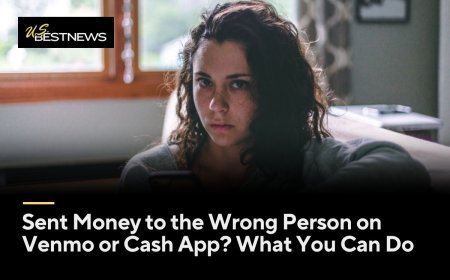














Sent Money to the Wrong Person on Venmo or Cash App? What You Can Do
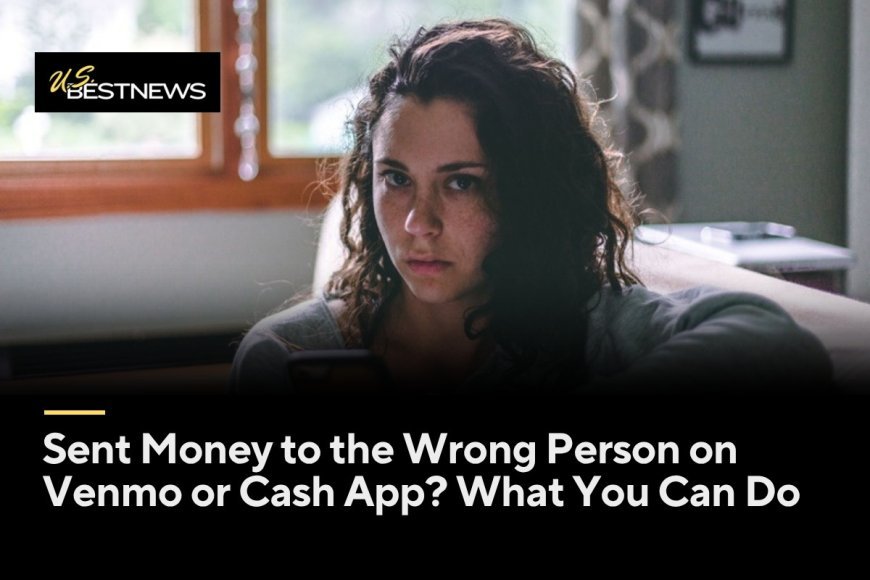
It happens in a second. You type a name into Venmo or Cash App, tap the first match, hit pay, and only then notice the profile photo is a stranger. Your $200 for the babysitter, or your share of the rent, just went to someone you have never met. Your stomach drops, and the first question is whether that money is gone for good.
Not necessarily, but speed matters, and so does knowing what these apps can and cannot do. Payment apps work more like handing someone cash than like using a credit card. Once a payment is complete, the app usually cannot simply pull it back. Still, there is a clear sequence of steps that gives you the best chance of recovering your money. Here is what to do, in order, starting from the moment you realize the mistake.
The first minute: check whether the payment is still pending
Open the app and look at the payment in your activity feed. Some payments do not complete instantly. For example, a payment sent to a phone number or email that is not linked to an account yet may sit as unclaimed for a while, and in that case the app may let you cancel it. If you see a cancel option, use it right away.
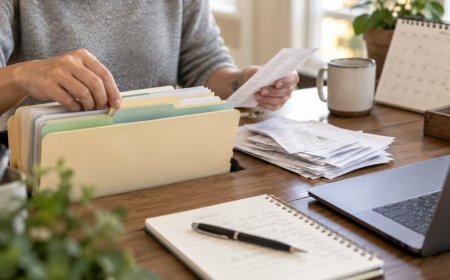
If the payment shows as completed, take a screenshot of the transaction details: the amount, the date and time, the recipient's name or username, and the transaction ID. You will want this record for every step that follows.
The first hour: ask the recipient to send it back
Most people who receive money by mistake will return it when asked politely. Both Venmo and Cash App let you send a request for money to the person who received your payment. Request the exact amount and add a short, friendly note explaining that you sent it to the wrong person by accident.
If you hear nothing, send one short reminder a day or two later. Keep the tone calm. Accusing a stranger of stealing is less likely to get results than a simple explanation. Do not share any other personal information, and do not ask them to send the money back through a different app, a gift card, or a bank transfer. Keep everything inside the app where the original payment happened, so there is a clear record.
Later that day: contact the app's support team
If the recipient does not respond or refuses, contact the app's customer support through the app itself or the company's official website. Look for the help or support section in your account settings, and report the payment as sent to the wrong person. Include your screenshot and the transaction ID.
Be very careful about how you find support. Scammers post fake customer service phone numbers online and wait for panicked users to call. They may ask for your login code, your PIN, or remote access to your phone, and then drain your account. Only use support options inside the app or on the company's official site, and never share a one-time passcode with anyone who calls or texts you.
The next few days: what the app may or may not do
This is where expectations matter. Federal rules for electronic payments mainly protect you when a transfer is unauthorized, meaning someone else made it without your permission. A payment you sent yourself, even by mistake, is generally treated as authorized. That means the app may not be required to reimburse you.
Still, support teams sometimes reach out to the recipient or help mediate, especially if the recipient does not dispute that it was a mistake. Outcomes vary by company and by situation, so read the app's own help pages and user agreement for its specific policy. Keep a record of every message you send and receive.
If you funded the payment with a credit or debit card, you might wonder about a dispute with your card issuer. Because you authorized the payment, a dispute may not succeed, and it could complicate your payment app account. If you are considering it, call your card issuer first and ask how it treats payment app transfers.
A week or more later: when the money still is not back
If the recipient keeps ignoring you and the app cannot help, your options narrow. For a large amount, you could consider small claims court, though you would need the person's real name and address, which the app may not share. For most people, the cost and effort only make sense for bigger sums.
At this point, it is worth deciding how much more time and stress the amount is worth. Losing money hurts, but chasing a small payment for months can cost you more in time and worry than the money itself.
If you were tricked, not just mistaken
Sometimes the problem is not a typo. You paid a seller for concert tickets or a puppy that never appeared, or someone posing as a utility company or a relative talked you into sending money. That is fraud, and it calls for a few extra steps. Report the account to the app right away so it can investigate and possibly limit the scammer's account. Report it to the Federal Trade Commission at ReportFraud.ftc.gov, which helps law enforcement track patterns. If you shared passwords or codes, change them and turn on extra security in the app.
Some payment apps offer limited purchase protection, but usually only for payments marked as a purchase from an eligible seller, not for ordinary payments between friends. Check your app's rules before relying on it.
Watch out for the reverse scam
There is a common trick that runs the other way. A stranger sends you money, then messages you claiming it was a mistake and asking you to send it back. The original payment may have come from a stolen card or account. When it is reversed, the money disappears from your balance, and the money you sent back is gone too.
If someone sends you money you were not expecting, do not spend it and do not send it back on your own. Contact the app's support through the app and let it handle the reversal. A real mistake can be sorted out that way, and a scam goes nowhere.
How to avoid this next time
A few habits make wrong-person payments much less likely:
- Pay by scanning the person's QR code in the app when you are together.
- Check the profile photo, full username, and any mutual friends before you hit pay.
- For a new contact, send $1 first and ask them to confirm they received it.
- Save frequent recipients as favorites so you are not searching each time.
- Use payment apps only with people you know and trust.
Payment apps are built for speed, and that is exactly why one extra second of checking matters. If a mistake does happen, act fast, stay polite, keep everything inside the app, and be wary of anyone who offers to help in exchange for your login codes.
It also helps to set a personal comfort limit for app payments. If an amount is large, like rent or a deposit, consider paying with a method that has stronger protections or a slower, more deliberate process. Saving the app for smaller, everyday payments limits how much one slip of the thumb can cost you.
What's Your Reaction?
 Like
0
Like
0
 Dislike
0
Dislike
0
 Love
0
Love
0
 Funny
0
Funny
0
 Angry
0
Angry
0
 Sad
0
Sad
0
 Wow
0
Wow
0