

























Hobby or Business? How the IRS Decides for Side Gigs and Crafts
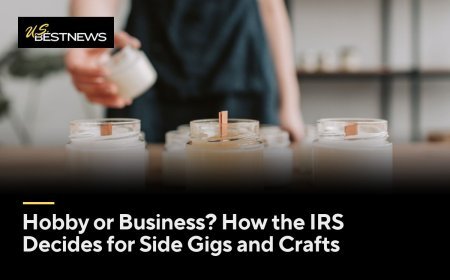
Selling handmade ornaments at a craft fair, flipping a few thrift-store finds online or charging friends for holiday photo sessions can bring in extra money this time of year. But at tax time, a key question comes up: is your side gig a hobby or a business?
The answer matters because the IRS treats hobby income and business income very differently. Here is how the IRS decides, and what each label means for your taxes.
Why the label matters
If your activity is a business, you report income and expenses on Schedule C. You can deduct ordinary and necessary business expenses, which lowers your taxable profit. You may also owe self-employment tax on net earnings.
If your activity is a hobby, you still must report the income. But under current law, hobby expenses are generally not deductible. The Tax Cuts and Jobs Act suspended miscellaneous itemized deductions starting in 2018, and the 2025 tax law known as the One Big Beautiful Bill Act made that change permanent.
That means a hobby with $1,000 in sales and $800 in costs could be taxed on the full $1,000, while a business with the same numbers would generally be taxed on the $200 profit.
The profit motive
The central question is whether you carry on the activity to make a profit. The IRS says a business is an activity done with the intention of making a profit, while a hobby is an activity done mainly for pleasure.
The IRS does not look at only one fact. It considers all the facts and circumstances, and it lists factors to help decide.
There is also a general guideline. The IRS says an activity is presumed to be for profit if it makes a profit in at least three of the last five tax years, including the current year. For activities that consist mainly of breeding, training, showing or racing horses, the test is two of the last seven years.
The nine factors
The IRS lists nine factors it considers. They include whether you carry on the activity in a businesslike manner and keep complete and accurate books and records, and whether the time and effort you put in show you intend to make it profitable.
Other factors include whether you depend on the income for your livelihood, whether losses are due to circumstances beyond your control or are normal in the startup phase, and whether you change methods of operation to improve profitability.
The IRS also looks at whether you and your advisors have the knowledge needed to carry on the activity as a successful business, whether you were successful in making a profit in similar activities in the past, whether the activity makes a profit in some years and how much, and whether you can expect to make a future profit from the appreciation of assets used in the activity.
What businesslike looks like
Acting like a business does not require a storefront or an LLC. But it does mean keeping records, tracking income and expenses, and making decisions to improve profit.
For a crafter, that might mean tracking material costs, setting prices to cover costs and earn a profit, and changing products or sales channels when something is not working.
Our separate guide on a simple side-hustle expense tracker covers how to keep records. Good records help support a business claim and make tax time easier.
How hobby income is reported
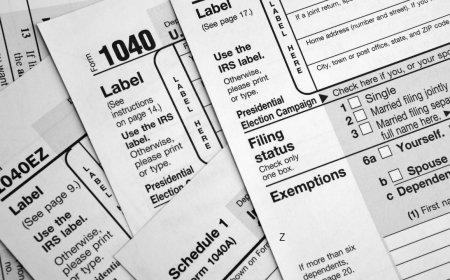
If your activity is a hobby, you report the income on Schedule 1 of Form 1040 as other income. The IRS treats it as taxable income.
Because hobby expenses are not deductible under current law, you generally cannot subtract your costs. However, the cost of goods sold may reduce gross receipts in some cases. The rules are technical, so check IRS guidance or ask a tax professional.
Hobby income is not subject to self-employment tax, which is one difference that can work in a hobbyist's favor.
How business income is reported
If your activity is a business, you report income and expenses on Schedule C. Net profit is subject to income tax and self-employment tax, which covers Social Security and Medicare.
Business owners may be able to deduct expenses such as supplies, a portion of phone costs, mileage for business trips and fees from selling platforms.
Business owners may also need to make estimated tax payments during the year if they expect to owe tax. Our separate guide on taxes for holiday gig work covers estimated payments.
Payment platforms and Form 1099-K
If you sell through online marketplaces or get paid through payment apps, you may receive a Form 1099-K. This form reports payments you received, but it does not decide whether your activity is a hobby or business.
Whether or not you receive a 1099-K, you must report taxable income. Keep records that show what you sold and what it cost, especially if you sold personal items at a loss, which is generally not taxable.
Reporting thresholds have changed in recent years. Check the IRS website for current 1099-K rules.
Craft fairs and holiday sales
Holiday craft fairs are a popular way to sell handmade items. Our separate guide on holiday craft fairs covers booth fees and planning. From a tax standpoint, track your booth fees, supplies and sales carefully.
Some states and cities require sellers to collect sales tax, even at temporary events. Check with your state revenue department before the fair.
If you sell at only one or two events a year for fun, your activity may look more like a hobby. If you sell regularly, track profits and aim to grow, it may look more like a business.
Hobbies can become businesses
Many businesses start as hobbies. A person who knits gifts for friends may eventually sell scarves online, track costs and expand. At some point, the activity may become a business.
There is no single moment when that happens. The IRS factors look at how you operate, not just how much you earn. If you start treating the activity like a business, keep records accordingly.
Common record-keeping mistakes
Mixing personal and side gig spending in one account makes it harder to show a profit motive and track expenses. Consider a separate bank account or card for your side gig.
Not saving receipts is another common mistake. Keep digital copies of receipts for supplies, booth fees and shipping. A simple spreadsheet or app can help.
Two crafters, two answers
Consider two people who sell handmade ornaments. The first sells at one church fair each December, does not track costs and makes the ornaments mainly because she enjoys it. Based on the IRS factors, her activity looks more like a hobby. She reports the sales as other income and cannot deduct her supplies under current law.
The second sells year-round online and at several fairs, keeps a spreadsheet of costs and sales, adjusts prices when margins are thin and has turned a profit in most recent years. Her activity looks more like a business. She reports on Schedule C, deducts ordinary and necessary expenses and may owe self-employment tax on her net profit.
Most people fall somewhere between these two examples, which is why the IRS looks at all the facts together.
What to do this week
Start a simple log of income and expenses for your side gig, even if it is small. Keep receipts in one folder or app, and note the time you spend.
When to get help
The hobby versus business question can be complicated, especially if you have losses. Claiming business losses on an activity the IRS considers a hobby can lead to problems.
A tax professional can help you decide how to classify your activity and what records to keep. The IRS website also has guidance, including its FAQ on hobby versus business.
Whatever you decide, keep good records. They are the best protection if the IRS ever asks questions.
What's Your Reaction?
 Like
0
 Dislike
0
 Love
0
 Funny
0
 Angry
0
 Sad
0
 Wow
0