























Buying a Game Console This Holiday: Bundles, Subscriptions, and the True First-Year Cost
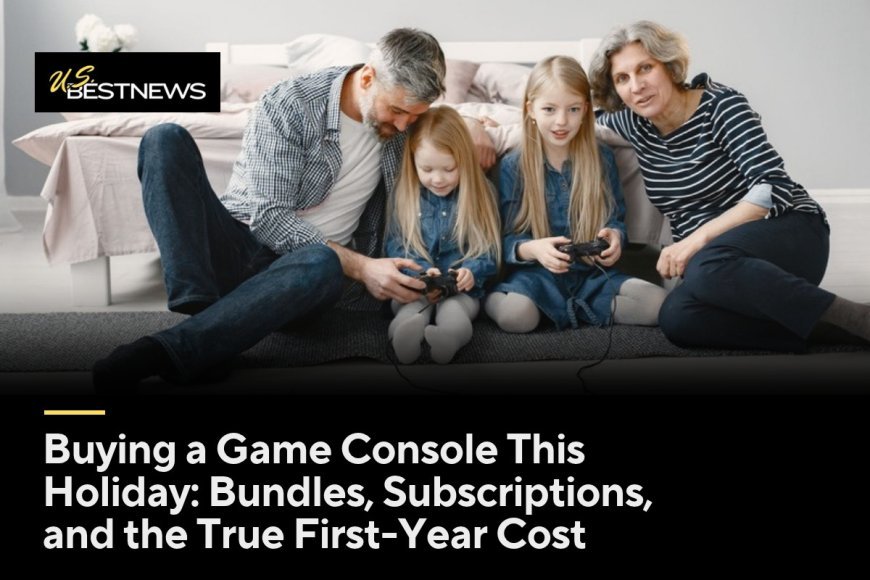
A new game console is one of the most requested holiday gifts, and the sticker price is only the start. Controllers, games, online subscriptions and storage can add up quickly in the first year. Before you buy, it helps to look past the box price and estimate what you will really spend.
Console prices and subscription fees have changed several times in recent years, and holiday deals vary by store. We have not listed specific prices here because they can change quickly. Instead, here is how to compare bundles, subscriptions and extras so you can estimate the true first-year cost.
Start with the console itself
Most console makers offer more than one version of their main console. Differences can include storage size, whether the console has a disc drive and performance features.
A digital-only version may cost less up front, but you will need to buy games digitally, which can limit your ability to buy used games or trade them in. A disc version lets you buy used or discounted physical games.
Check the console maker's website for current list prices, then compare with retailer prices during holiday sales.
Are bundles worth it?
Holiday bundles often include a console plus a game or extra accessory. Some bundles offer real savings compared with buying items separately. Others include games your family may not want.
To evaluate a bundle, add up the separate prices of the console and the included items. If the bundle costs less and you want everything in it, it is probably a good deal.
Watch for bundles that include older games or accessories you already own. A bundle is only a deal if you use what is in it.
Subscriptions add up
Many consoles require a paid subscription for online multiplayer play. Subscriptions may also include libraries of games, cloud saves and discounts.
Subscription prices vary by tier and by length. Annual plans usually cost less per month than monthly plans. Check the console maker's website for current pricing.
Before you subscribe, ask whether your family will play online. If not, you may not need a subscription right away. Many games can be played offline.
Extra controllers and accessories
Most consoles come with one controller. If you have more than one player, you will likely need extra controllers, which can be a significant cost.
Other accessories may include charging stations, headsets, carrying cases and screen protectors for handheld consoles. Not all are needed. Start with the basics and add later.
Third-party accessories can be less expensive, but quality varies. Read reviews before buying.
Games and storage
New games can be one of the biggest first-year costs. Buying a few new games at full price can add up quickly.
Look for used games, sales and subscription game libraries to save. Many digital stores offer holiday sales.
Storage can also become an issue. Modern games can be large, and some consoles have limited storage. You may need an external drive or memory card, which adds to the cost.
How to estimate first-year cost
Make a simple list. Include the console or bundle, extra controllers, a year of subscription if you plan to use one, the games you expect to buy and any accessories.
Add it up. This total gives a more realistic picture than the console price alone.
Compare the total for different consoles if you are deciding between them. One console may cost less up front but more over a year, or the reverse.
Parental controls and spending limits
Most consoles have parental controls that let you set time limits, restrict content by age rating and control spending. Set these up before giving the console to a child.
In-game purchases can add to the cost. Set spending limits or require approval for purchases to avoid surprises on your card.
Some families give a set amount of digital store credit each month instead of linking a credit card. This can teach budgeting.
Return policies and warranties
Check the retailer's return policy before you buy. Holiday return windows are often extended, but opened electronics may have restrictions. Our separate guide on holiday return windows covers what to check.
Consoles come with a manufacturer warranty. Retailers may also offer extended warranties. Our separate guide on extended warranties explains when they may or may not be worth it.
Keep receipts and packaging until you are sure the console works.
Buying used or refurbished
Refurbished consoles from the manufacturer or trusted retailers can save money and often come with a warranty. Used consoles from individuals may cost less but carry more risk.
If you buy used, test the console before paying when possible. Make sure it has been reset and is not linked to someone else's account.
Be careful with online marketplace listings that seem too good to be true. Scams involving popular electronics are common during the holidays.
Handheld and hybrid consoles
Some consoles can be played on a TV or as a handheld. These can be good for families who travel or share a TV. Extra costs may include a carrying case, a screen protector and a larger memory card.
Handheld consoles may also need additional controllers for multiplayer games. Check what is included before you buy.
Gift timing and stock
Popular consoles and bundles can sell out during the holidays. If you have your heart set on a specific bundle, buy early, but compare prices first.
Be wary of resellers charging far more than retail. If the console is out of stock, a gift card or a promise of a console after the holidays may be a better choice than paying a large markup.
Digital game prices and sales
Digital game stores run frequent sales, especially during the holidays. Adding games to a wish list can alert you when prices drop.
Some subscriptions include monthly free games or a library of games. Compare the subscription cost with how many games you would otherwise buy.
Family sharing features
Some consoles allow digital games to be shared across accounts on the same console or within a family group. This can save money if several family members play. Check the console maker's family sharing rules before you buy duplicate games.
Don't forget the TV
If your TV is older, some console features may not work fully. You do not need a new TV to enjoy a console, but if you plan to upgrade, factor that into your budget separately.
Two first-year scenarios
Consider two families buying the same console. The first family has one child who mostly plays offline. They buy the base console, one extra controller and two games, and skip the online subscription for now. Their first-year spending stays close to the console price plus a few extras.
The second family has three kids who want to play together and online. They need extra controllers, an online subscription for the year, more storage and several new games. Their first-year cost can end up much higher than the box price, even though they bought the same console.
The point is to budget for how your family will actually play.
Common mistakes console buyers make
Buyers often forget extra controllers, sign up for a subscription tier with features they never use or let a subscription renew automatically. Others buy a digital-only console without realizing it rules out used discs. Check subscription renewal settings in the console's account settings after you sign up, and set a calendar reminder before the renewal date.
What to do this week
Ask the person who will play what games they want and whether they will play online. Then make your first-year list before you shop the holiday sales.
The bottom line
The real cost of a game console includes much more than the console itself. Controllers, subscriptions, games and accessories can add significantly in the first year.
Make a list, compare bundles and decide which extras you really need. With a clear budget, the console can be a great gift without a surprise bill in January.
What's Your Reaction?
 Like
0
 Dislike
0
 Love
0
 Funny
0
 Angry
0
 Sad
0
 Wow
0