



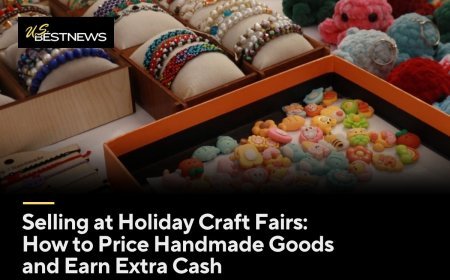


















Selling at Holiday Craft Fairs: How to Price Handmade Goods and Earn Extra Cash
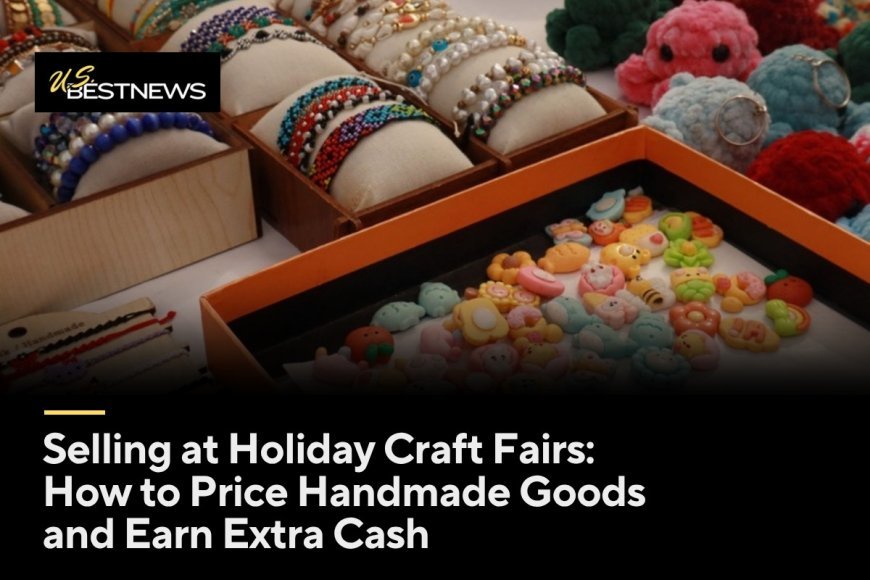
How much should you charge for a hand-knit hat? Most first-time craft fair sellers answer by looking at the table next to them. That is how good makers end up working for a few dollars an hour, selling out by noon, and wondering why the cash box feels light once the booth fee and the yarn bill are paid.
Holiday fairs can be a genuinely good source of extra cash in November and December. Shoppers come ready to spend on gifts, and handmade work stands out. The sellers who do well treat pricing as arithmetic first and instinct second. Here is a simple way to set prices you can defend, plus the costs and paperwork that catch new sellers off guard.
Start with what one item really costs you
Add up materials for a single piece, including the small things people forget: thread, glue, tags, packaging, and the share of a bottle of finish you use. If you buy supplies in bulk, divide the bulk price by how many items it actually makes. Guessing low here is the most common way handmade sellers lose money without noticing.
Next, time yourself honestly. Make three of the same item and note the minutes for each, from setup to cleanup. Choose an hourly rate you would accept for skilled work. It does not need to match your day job, but it should be more than nothing. Multiply your minutes by that rate and add it to materials.
Then spread your fixed costs. Booth fees, a tablecloth, display racks, signs, and travel to the fair belong to every item you hope to sell that day. If the booth costs a set amount and you expect to sell 40 pieces, divide the fee by 40 and add that share to each price.
Turn cost into a price shoppers will pay
A common starting formula is materials plus labor plus overhead, then a margin on top for profit and slow days. Many makers use a multiplier on materials and labor, but the right number depends on your craft and your market. The point is that the price should cover the work even when you do not sell out.
Now compare your number with what similar handmade items sell for at fairs in your area and online. If your formula says $45 and the market says $25, you have three honest choices: speed up your process, change materials, or offer a smaller version. Cutting the price below cost is not one of them, because volume only multiplies the loss.
Offer a price ladder. A table with only expensive pieces makes browsers nervous, while a table with only small items caps your day. Mix a few impulse items, such as ornaments or cards, with mid-priced gifts and one or two showpieces. Shoppers often buy the middle option once they see a higher one beside it.
Price displays that sell without haggling
Label every item clearly. Shoppers who have to ask often walk away instead, especially when the booth is busy. Use simple, readable signs and round numbers that make change easy. If you offer a bundle, such as three cards for a set price, put that on its own sign so people see the deal without asking.
Decide your discount policy before the fair starts. Some buyers will ask for a better price late in the day, and a calm answer protects both your margin and your confidence. A small bundle deal usually works better than cutting individual prices, because it moves more pieces without suggesting your work was overpriced to begin with.
Keep a simple tally of what sells and at what price. By the second fair, you will know which items earn their table space and which only collect compliments. That record is worth more than any pricing chart, because it reflects your own customers in your own town.
Plan for payment fees and cash
Many shoppers expect to pay by card or phone. Card readers and payment apps make that easy, but each sale usually carries a processing fee, and some services add charges for instant transfers to your bank. Read the fee schedule before the fair and fold those costs into your prices instead of discovering them when the payout arrives.
Bring a starting cash float in small bills and coins, and keep it in a secure box or pouch you can watch. Count it before and after. Test your card reader at home and again at the venue, since a weak signal can stall sales. A backup option, such as a second payment app, keeps a line from walking away.
Keep receipts for supplies, booth fees, and payment fees in one folder or a phone album. It takes a minute per purchase now and saves hours later, when you want to know whether the season actually made money.
Sales tax and income tax still apply
Selling at a fair is still selling. Many states require sellers to collect sales tax on taxable items, even at a one-day event, and some fairs ask vendors to show a permit or a temporary seller registration. Check your state revenue department's website before the event, because the rules and the forms vary widely from state to state.
Money you earn from crafts is generally taxable income, whether shoppers pay cash or card. Payment apps may also send you a tax form when your sales cross federal reporting levels. Do not rely on that form as your record. Keep your own sales log and expense receipts so you can report income accurately and subtract legitimate costs.
If the craft grows from a hobby into a regular business, the tax treatment can change, and so can your ability to deduct expenses. A tax professional can help you understand where your activity falls. This article is general information and not tax advice for your situation.
Packaging and presentation earn their cost
Simple packaging can justify a higher price. A kraft bag, a printed tag with care instructions, and a small card with your name and contact details make a handmade item feel like a finished gift. Count those costs per item, as you did with materials, so they do not quietly eat your margin.
If a fair offers a wrapping station or shared checkout, ask how it affects your sales records and payouts. Shared systems can be convenient, but you still want a clear count of what you sold and what you were paid.
Make the day worth your time
After the fair, do a quick tally: sales, minus booth fee, materials, payment fees, travel, and food. Divide what remains by the hours you spent making, packing, driving, and selling. That is your real hourly rate for the day. If it is low, change one thing for the next event, such as pricing, product mix, or which fairs you choose.
Not every fair is equal. Some events draw gift shoppers with money to spend, while others are mostly browsers on a free afternoon out. Ask other vendors how past years went, look at attendance claims with healthy skepticism, and start with lower-cost events before committing to expensive juried shows.
Price from your real costs, label everything, plan for fees and taxes, and track what sells. Holiday craft fairs reward makers who treat their table like a small shop. Do that, and the cash box at the end of the day will reflect the work you put in.
What's Your Reaction?
 Like
0
 Dislike
0
 Love
0
 Funny
0
 Angry
0
 Sad
0
 Wow
0