



























Employer Perks Families Forget: Backup Care, Counseling Programs, and Tuition Help
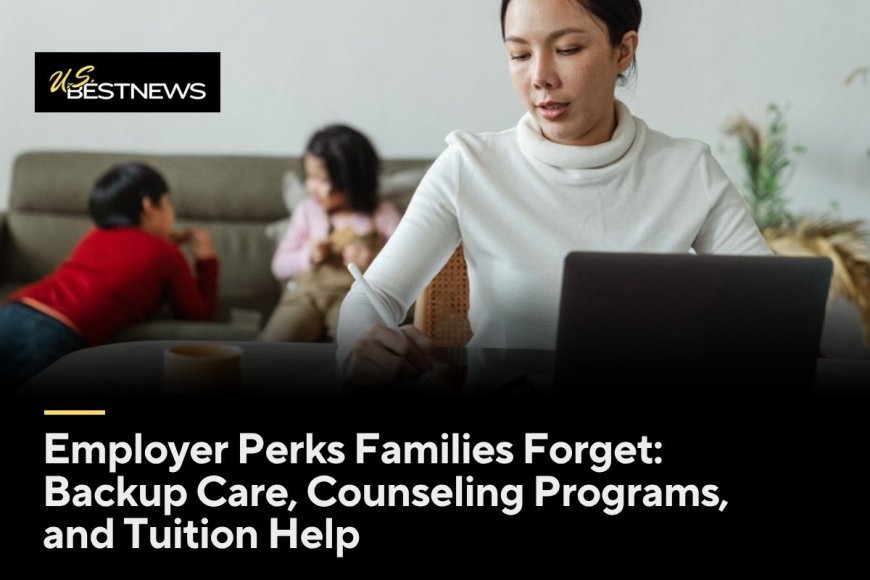
Most people read their benefits guide once, pick a health plan, and never open it again. Tucked in the back pages are perks that can be worth real money to a busy family: backup child or elder care when plans fall apart, free confidential counseling, and help paying for classes. Many employees never use them, simply because they forgot they exist.
This is not about choosing your health plan or retirement contribution. It is about the smaller programs that sit alongside those choices and quietly go unused. Here is what to look for, how to find out what your employer offers, and how to start using it before you need it in a hurry.
Backup care for kids and aging parents
Some employers offer backup care programs that help when your usual arrangement falls through. That might be a school closure, a sick nanny, a day care holiday, or a parent who needs help after a hospital stay. The program may arrange in-home care or a spot at a partner care center, often at a reduced cost.
These benefits usually come with a limited number of days per year, and the employee copay can vary. The details matter. Some programs cover children only, while others include adult relatives or elder care. Some require you to register in advance, which can take time you will not have when a crisis hits.
Register now, even if you do not expect to need it soon. Add your children or family members, check which providers serve your area, and learn how to book. When the call comes at 6 a.m. that the sitter is sick, you will be ready to book in minutes rather than searching a website for the first time.
Employee assistance programs
An employee assistance program, often called an EAP, is one of the most underused benefits. Many EAPs offer a set number of free, confidential counseling sessions with a licensed professional. They may cover stress, grief, relationship problems, parenting issues, or substance use. You usually do not need to be enrolled in the company health plan to use them.
EAPs often offer more than counseling. Many provide referrals for child care and elder care, free consultations with lawyers or financial counselors, and help with practical problems like finding a moving company or dealing with debt. Some have 24-hour phone lines.
Your employer generally does not learn who uses the EAP, though policies vary, so read the privacy terms. If you are worried about confidentiality, ask the EAP directly how information is handled. Many people are surprised how easy it is to get started. Often you call a number or visit a website and are matched with a counselor within days.
Tuition assistance and education benefits
Many employers offer tuition assistance or reimbursement for classes, degrees, or certifications. Some pay upfront, while others reimburse after you finish the course with a passing grade. Some require the education to relate to your job, and many require you to stay with the company for a set period after receiving the money, or pay some of it back.
Federal tax law allows employers to provide a certain amount of educational assistance each year tax-free to the employee under a qualified program. Amounts above that limit may be taxable. Ask your benefits team how your employer's program is structured and how payments will appear on your pay stub.
Some employers also offer student loan repayment help, discounted courses through partner schools, or free online learning platforms. These can help you add skills, change roles, or finish a degree without taking on more debt. Read the rules carefully before you enroll in a class you expect your employer to pay for.
Smaller perks that add up
Look for other programs that save money or time. Some employers offer dependent care flexible spending accounts, commuter benefits, discounted gym memberships, adoption or fertility assistance, legal plans, identity theft protection, or employee discount programs with retailers and travel companies.
Some workplaces offer financial wellness programs, such as free sessions with financial coaches or tools to help with budgeting and debt. Others offer caregiving support services that help you find and evaluate senior living or home care options. These programs can save hours of research.
Each of these perks may seem small alone, but together they can add up to significant value. The key is knowing they exist. Many families find something useful the first time they look closely.
How to find what you have
Start with your benefits portal or handbook. Look for sections titled work-life, wellness, family support, or employee assistance. These are often separate from the health and retirement sections. If the information is buried, search the portal for words like backup care, EAP, tuition, or caregiver.
Ask your human resources or benefits team directly. A short email asking for a list of all family and work-life benefits often gets a helpful answer. You can also ask coworkers who have young children or aging parents. They may already know which programs are worth using.
Open enrollment is a natural time to check, since benefits materials are fresh and HR staff are focused on questions. Some of these perks require enrollment during that window, while others are available any time. Ask which is which.
Use them without stress
Make a short list of the perks that apply to you, along with phone numbers, websites, and any login information. Save it somewhere easy to find, like a note on your phone. Share it with your spouse or partner so both of you can use it when needed.
Do not wait for a crisis. Try the EAP for a smaller issue, book a backup care day for a planned school closure, or ask about tuition help for a short course. Using a benefit once makes it much easier to use again when it matters most.
If you leave your job, ask what happens to these benefits. Some, like tuition assistance, may have repayment rules. Others end immediately. Plan ahead so you do not lose access in the middle of a course or care arrangement.
Ask about the less obvious caregiving help
Some employers offer paid family leave or caregiving leave that goes beyond what state or federal law requires. Others offer flexible schedules or remote work options for caregivers. These may not be listed as benefits, but they are often available through policies in the employee handbook. Ask HR what applies to you.
These options can be especially valuable during the holidays, when school breaks and family needs pile up at the same time.
Put one perk to work this month
Employer benefits go far beyond health insurance and retirement accounts. Backup care, counseling programs, and tuition help can save families time, stress, and money. Yet these perks often go unused simply because people forget to look.
Spend an hour this month reviewing your benefits portal or asking HR for a full list of work-life programs. Register for anything you might need, save the contact information, and try at least one perk before the end of the year. That small effort can pay off the next time life gets complicated.
Your employer is already paying for these programs. Using them is one of the simplest ways to get more value from your job without asking for a raise.
What's Your Reaction?
 Like
0
 Dislike
0
 Love
0
 Funny
0
 Angry
0
 Sad
0
 Wow
0