




























Holiday Road Salt and Your Car: The Cheap Wash Routine That Prevents Rust Repairs
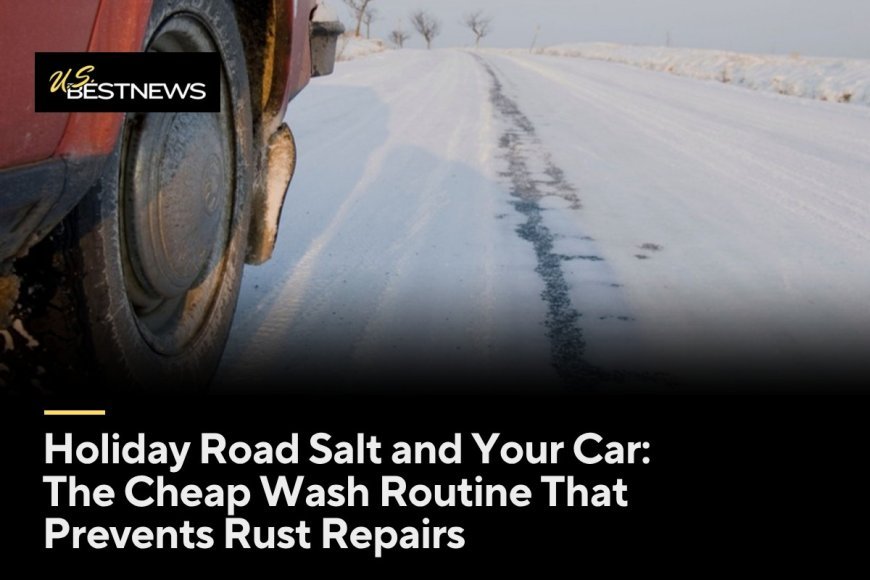
Road salt does a great job on icy highways. It does a less friendly job on the underside of your car. Salt mixed with water and slush clings to brake lines, exhaust parts, and the frame, where it speeds up corrosion. The damage is slow and quiet, and you may not see it until a mechanic shows you a rusted part and a repair estimate.
The good news is that you do not need expensive detailing to protect your car. A simple, low-cost wash routine during the winter months can remove much of the salt before it does serious harm. Here is how to build that routine, what to skip, and how to spot early warning signs.
Why salt is so hard on cars
Salt itself is not the only problem. When salt mixes with water, it creates a solution that speeds up the chemical reaction that causes rust. Winter driving keeps that mixture splashing onto the underside of your car, especially in areas with heavy snow and frequent road treatments.
Many roads are treated with brine or other chemical de-icers that can stick to surfaces even after they dry. Those residues can work their way into seams, joints, and crevices that are hard to reach. Older vehicles and cars with existing scratches or chips in the paint are especially vulnerable.
Rust can affect more than appearance. It can weaken brake lines, fuel lines, suspension parts, and exhaust systems. Repairs to these parts can cost far more than a season of car washes, and some failures can be dangerous.
The cheap wash routine that works
Focus on the underside. A car wash with an underbody spray is one of the best options. Many automatic washes offer it as part of a mid-level package or as an add-on. You do not need the top package with wax and tire shine every time. Underbody rinse matters most.
Wash after major storms and periodically during long stretches of salted roads. Many mechanics suggest every week or two in heavy salt areas, but the right schedule depends on your driving and local conditions. If you can see white residue on your car, it is time.
Choose a day when temperatures are above freezing if possible, so water does not freeze in door locks, seals, or brakes. After washing, drive a short distance to help dry the brakes and open and close the doors to keep seals from freezing.
Save money on washes
Look for wash memberships or multi-wash passes. Many car wash chains offer monthly plans that allow unlimited washes for a set price. If you wash often in winter, a plan can cost less than paying per wash. Read the terms, and cancel when spring arrives if you do not need it.
Self-serve wash bays can be inexpensive. Use the high-pressure wand to rinse the wheel wells, the lower parts of doors, and as much of the underside as you can safely reach. Avoid spraying directly into door seals or electrical components at close range.
At home, a garden hose with an underbody attachment can help in milder weather, but freezing temperatures make home washing harder. Many people find that a mix of occasional automatic washes and quick self-serve rinses keeps costs low.
Prepare your car before the worst of winter
A coat of wax before winter adds a protective layer to the paint. You can do it yourself with an inexpensive product or choose a wash package that includes it. Wax will not stop rust under the car, but it helps protect the body.
Touch up chips and scratches in the paint. Small exposed areas can rust quickly once salt reaches the metal. Touch-up paint from the manufacturer or an auto parts store can seal these spots for little money.
Some drivers choose a professional undercoating or rust-proofing treatment. These can help in some cases but vary in effectiveness and cost. If you consider one, ask what product is used, how long it lasts, and whether it affects your warranty. Avoid paying for treatments that a dealer adds without explaining.
Clean the inside too
Salt also gets tracked into the car on boots. It can stain carpets and floor mats and, over time, contribute to corrosion of the floor if moisture soaks through. All-weather floor mats with raised edges trap slush and are easy to rinse.
Vacuum regularly and clean salt stains with a mix of water and a little vinegar or a carpet cleaner made for salt. Let mats dry before putting them back. Keeping the inside dry also helps prevent foggy windows and musty smells.
Check the trunk and spare tire well for moisture. Water can collect there unnoticed and cause rust in areas you rarely look at.
Watch for warning signs
Look under your car occasionally with a flashlight. Signs of trouble include flaking metal, orange or brown spots on brake lines or the frame, and bubbling paint around wheel wells and the bottom of doors. Catching these early can save money.
Listen for changes. A louder exhaust can mean rust has eaten through part of the exhaust system. A soft brake pedal or a pulling sensation when you brake should be checked right away, as brake lines can rust and leak.
Ask your mechanic to look for rust during oil changes or tire rotations in winter. Many will do a quick check at no charge. If they find a problem, ask to see it and get a written estimate.
What rust repairs can cost
Rust repairs vary widely depending on the part and the vehicle. Replacing a rusted brake line, exhaust component, or suspension part can cost far more than a winter of washes, and severe frame rust can make an older car not worth fixing. Ask your mechanic for a written estimate and photos before approving work.
Some states require safety inspections that can fail a car with heavy rust on critical parts. If you live in one of those states, keeping rust under control can help you avoid a failed inspection and a rushed repair.
If you plan to sell or trade in your car, rust can lower its value. Buyers and dealers often check the underside. A car that has been washed and maintained through winter may hold its value better.
Taking a few minutes each month to wash and inspect your car can also help you spot other issues, such as low tire pressure, worn wiper blades, or a cracked windshield, before they become bigger problems. Winter is hard on cars, and regular attention pays off.
The routine in a nutshell
Before winter, wax the car, touch up chips, and add all-weather mats. During winter, wash with an underbody spray after storms and every week or two during heavy salt periods, ideally on days above freezing. Use a membership or self-serve bay to keep costs down.
Check under the car with a flashlight once a month, and ask your mechanic to look for rust during routine service. Clean salt from the inside and dry the mats regularly.
The takeaway: road salt is unavoidable in many places, but rust repairs are often preventable. A few inexpensive washes and quick checks each winter can protect your car's safety and value and save you from costly repairs down the road.
What's Your Reaction?
 Like
0
 Dislike
0
 Love
0
 Funny
0
 Angry
0
 Sad
0
 Wow
0