





























Should Your Teen Have a Credit Card? Authorized User Pros and Cons for Families
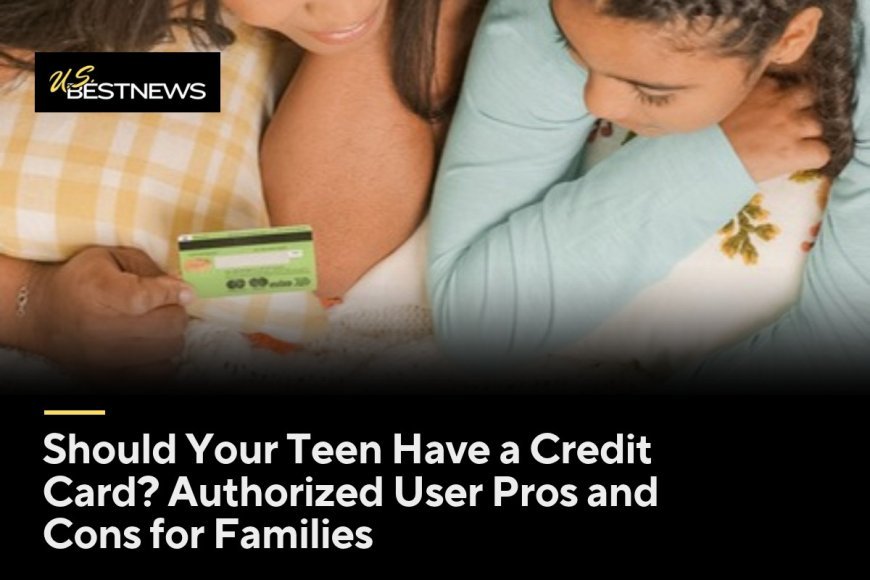
At what age should a kid start building credit? For many families, the answer is earlier than the teen could legally get a card on their own. Adding a teen as an authorized user on a parent's credit card is a common way to start, and it can help a young person build a credit history before college or a first apartment.
But it is not risk-free for either side. Here is how authorized user status works, what the law says about young adults getting their own cards, and the pros and cons to weigh before you hand over a card.
What an authorized user is
An authorized user is someone who can use a credit card account but is not legally responsible for paying the bill. The primary cardholder, usually a parent, is responsible for all charges.
The Consumer Financial Protection Bureau explains that authorized users do not have liability for the account's debts. That is why card issuers can add teens as authorized users even though they are too young to open an account of their own.
Many issuers let you add an authorized user online or by phone. Some have minimum ages for authorized users, and policies vary, so check with your card issuer.
Why the law treats young adults differently
The Credit Card Accountability Responsibility and Disclosure Act of 2009, known as the CARD Act, set special rules for people under 21. Under the CFPB's rules, a card issuer cannot open a credit card account for someone under 21 unless the applicant shows an independent ability to make the required payments or has a cosigner, guarantor or joint applicant who is at least 21 and agrees to be responsible.
In practice, this means a young adult generally needs their own income, such as from a job, to qualify for a card alone. Household income they do not have access to usually does not count.
These rules do not apply to authorized users, because authorized users are not liable for the debt. That is why authorized user status is often the first step.
The upside: building credit early
Many card issuers report authorized user accounts to the credit bureaus. If the account is in good standing, with on-time payments and low balances, it can help the teen build a positive credit history.
A longer credit history can help when the young person applies for their own credit card, a car loan or an apartment later. Credit scoring models consider the length of credit history, and having an older account can help.
Not every issuer reports authorized users, and not every scoring model weighs them the same way. Ask your issuer whether it reports authorized user activity to the bureaus.
The upside: learning with guardrails
Being an authorized user gives a teen practice using a card while a parent oversees the account. Parents can see every charge and talk through spending decisions.
Many issuers let primary cardholders set spending limits or alerts for authorized users. Some let you turn the authorized user's card off and on in the app.
This setup can be a good way to teach budgeting, paying on time and understanding interest before the teen has their own account.
The downside: your habits affect them
If the primary cardholder misses payments or carries a high balance, that negative history may also show up on the teen's credit report. An authorized user account helps only if the account is well managed.
Before adding a teen, look at your own habits. If you sometimes pay late or run high balances, the account may not help and could hurt.
You can remove an authorized user at any time. If the account runs into trouble, removing the teen may limit the damage to their credit, though the effect varies.
The downside: you are on the hook
Because the primary cardholder is responsible for all charges, any spending by the teen becomes your bill. If a teen overspends, loses the card or shares it with friends, you pay.
Set clear rules before adding a teen. Decide what the card can be used for, how much can be spent and what happens if the rules are broken.
Spending limits and alerts help, but they are not a substitute for clear expectations. Some families start with a low limit and raise it as the teen shows responsibility.
Alternatives to consider
If you are not ready to add a teen to your card, there are other options. A teen checking account with a debit card lets a young person practice spending from their own money without borrowing. Our separate guide covers choosing a teen's first bank account.
Some banks and apps offer prepaid cards or debit cards for teens with parental controls. These do not build credit, but they teach money management.
When the teen turns 18 and has income, a secured credit card can be a good next step. Secured cards require a deposit and can help build credit with less risk.
Questions to ask before you decide
Is your teen ready? Consider their maturity, how they handle money now and whether they understand that a credit card is borrowed money.
Does your card issuer report authorized users to the credit bureaus? If not, the credit-building benefit may not apply.
Are you comfortable with the risk? Think about what you would do if the teen overspent. Talking through this ahead of time can prevent conflicts later.
How authorized user activity shows up on credit reports
When an issuer reports an authorized user account, it typically appears on the authorized user's credit report with the account's payment history and balance. The teen may see the account's full history, not just the period since they were added, depending on how the issuer reports.
Once your teen turns 18, they can request free credit reports from each of the three nationwide credit bureaus at AnnualCreditReport.com. Reviewing the report together is a good lesson in how credit works and a chance to check for errors.
Siblings and fairness
If you have more than one child, think about whether you will offer the same arrangement to each when they reach the same age. Some families add each child as an authorized user at a set age, such as 16, once they show responsibility with a debit card. Being consistent can prevent hurt feelings and makes the rules easier to explain.
When to remove an authorized user
You may decide to remove a teen as an authorized user later, for example once they have their own card and some credit history. Removing an authorized user is usually simple and can be done by calling the issuer or through the app. Talk with your teen before you do, so the change does not come as a surprise.
Making it work
If you decide to add your teen, sit down together and review the account. Show them how to read a statement, explain interest and talk about paying in full each month.
Check the account regularly with your teen. Use the experience to talk about budgets, needs versus wants and how credit affects future goals.
Plan the next step. When your teen is ready for their own card, help them compare options and understand the terms. A good start can make a lasting difference.
What's Your Reaction?
 Like
0
 Dislike
0
 Love
0
 Funny
0
 Angry
0
 Sad
0
 Wow
0