





















Card Holds at Hotels and Gas Pumps: Why Your Available Balance Suddenly Drops
You check into a hotel for a two-night holiday stay, and the next morning your bank app shows hundreds of dollars less available than you expected. Or you fill up the car on a road trip and see a gas charge far bigger than your tank. You have not been overcharged, at least not yet. You are looking at an authorization hold.
Holds are a normal part of how card payments work, but they can catch travelers off guard, especially when using a debit card. Here is why they happen, how long they last and how to keep them from causing problems.
What an authorization hold is
When you pay with a card, the merchant asks your bank to approve the transaction. If the final amount is not known yet, the merchant may ask for approval of an estimated amount. Your bank sets aside that amount from your available balance or credit limit.
This is called an authorization hold. It is not a final charge, but it reduces how much you can spend until the merchant submits the final amount and the hold is released or replaced.
Visa explains that with each authorization, the cardholder's available funds are reduced to cover the approved amount. Once the transaction settles, the hold should match the final charge.
Why gas pumps put holds on your card
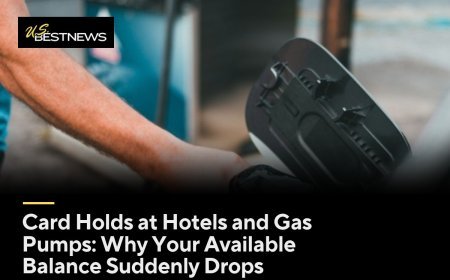
At the pump, the station does not know how much gas you will buy when you insert your card. To make sure it gets paid, it requests a hold.
Visa, Mastercard and Discover raised their pay-at-the-pump authorization limits to $175 in 2022, according to the National Association of Convenience Stores. That means a station may place a hold of up to $175, even if you pump only $40 worth of gas.
The Georgia Attorney General's consumer protection office notes that the merchant sets the hold amount, but the card issuer determines how long the hold lasts. The hold should change to the actual amount after the purchase is processed, often within a day or so, but it can take longer.
Why hotels put holds on your card
Hotels typically place a hold when you check in to cover the expected cost of the stay, including taxes, and sometimes incidentals. Visa's rules for lodging merchants say an estimated authorization should reflect what the guest is expected to spend, plus taxes, and should not include a buffer for potential damage.
Many hotels add a set amount per night for incidentals such as room service or minibar charges. Policies vary by hotel, so ask at check-in how much will be held.
If your stay goes longer or your bill grows, the hotel may request additional authorization. At checkout, the final charge should replace the hold, but it can take several days for the extra hold to disappear.
Why debit cards make holds more painful
Holds happen on both credit and debit cards. With a credit card, a hold reduces your available credit, which may not matter much if you have plenty of room.
With a debit card, a hold ties up money in your checking account. If your balance is low, a large hold could leave you unable to pay for other things, and in some cases could lead to declined transactions or overdrafts.
That is why consumer protection offices often recommend using a credit card for hotel stays and rental cars. You can still pay the final bill with a debit card at checkout if you prefer.
Rental cars and other holds
Car rental companies also place holds, often for the estimated rental cost plus a security deposit. Some rental companies require a credit card, or they may run a credit check or require a larger deposit for debit cards.
Restaurants may place a hold that includes an estimated tip, then adjust it when the final amount with your actual tip is processed. These small differences are normal.
Some subscriptions and online services place small temporary authorizations to verify a card. These usually disappear quickly.
How long holds last
The length of a hold depends on the merchant and your card issuer. Gas holds often clear within a day or two. Hotel and rental car holds may last longer, sometimes several days after you check out.
Visa's rules allow lodging and car rental estimated authorizations to remain valid for longer periods than most other purchases. In practice, many holds clear sooner, but it can vary.
If a hold has not cleared after a week or so, contact the merchant first and ask them to release it. If that does not work, contact your bank.
How to avoid problems
Use a credit card rather than a debit card for hotels, rental cars and gas stations when you can. This keeps holds from tying up your checking account.
If you use a debit card at the pump, consider paying inside for a specific amount. The Georgia consumer protection office also suggests using your PIN for debit purchases, which may result in faster release of holds.
Keep some extra money in your account when traveling. A cushion can absorb unexpected holds without causing declined payments or overdrafts.
Questions to ask at check-in
Ask how much the hotel will hold and whether it includes incidentals. Ask when the hold will be released after checkout.
If you want to lower the hold, ask whether you can decline incidental charges or pay for them with cash. Some hotels will reduce the hold if you do.
Keep your receipts and check your account after the trip. If anything looks wrong, contact the hotel and your bank quickly.
How holds differ from pending charges
A hold and a pending charge can look similar in your bank app, but they are not quite the same. A hold is an estimated amount set aside, while a pending charge is a transaction waiting to post. In some cases, a hold drops off and a separate final charge appears, so you may briefly see both.
This can make your available balance look lower than it really is. If you are counting on a certain amount, look at both your current balance and your available balance, and check the details of each pending item.
Holds and overdraft fees
If a hold reduces your available balance and you make other purchases, some banks may charge overdraft or nonsufficient funds fees, depending on the account and your overdraft settings. Review your bank's overdraft policy before a trip.
You may be able to opt out of overdraft coverage for debit card purchases, in which case a purchase that would overdraw your account is usually declined instead. Some banks offer low-balance alerts or small overdraft cushions. Ask your bank which options are available.
A road trip example
Picture a three-day holiday drive. You pay at the pump with a debit card twice, and each station places a hold of up to the network limit. Then you check into a hotel with the same card, and the hotel holds the estimated room cost plus taxes and an incidental amount. For a day or two, your available balance can look far lower than your actual spending.
Using a credit card for the hotel and paying for gas inside for a set amount would have kept most of that money free. If you must use debit, keep a cushion in the account and check pending items in your bank app each evening.
Watching your balance on the road
Use your bank's app to monitor your balance and pending transactions while traveling. Many apps show holds as pending.
Set alerts for low balances or large transactions. This can help you spot problems early.
If a card is declined unexpectedly, it might be a hold, not fraud. Our separate guide on holiday card declines explains fraud alerts and how to fix them quickly.
What's Your Reaction?
 Like
0
 Dislike
0
 Love
0
 Funny
0
 Angry
0
 Sad
0
 Wow
0