




























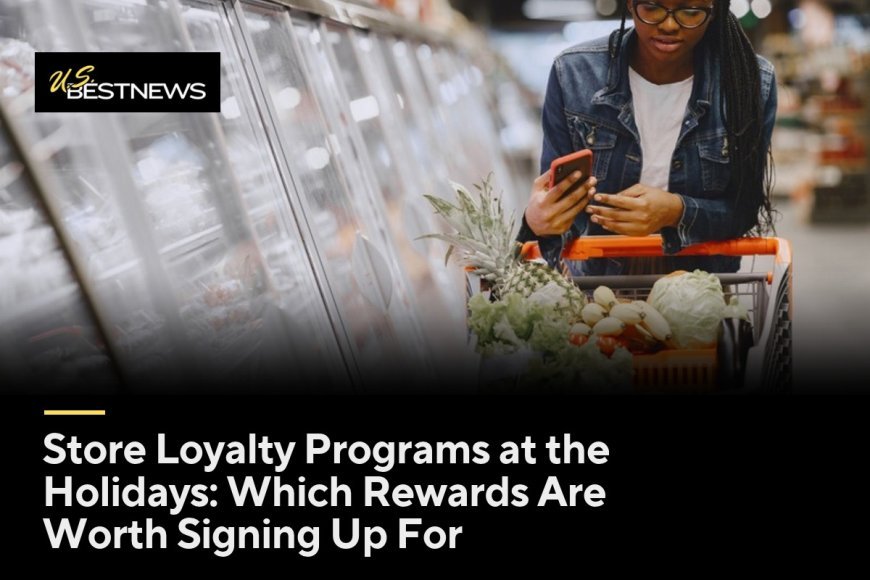
Store Loyalty Programs at the Holidays: Which Rewards Are Worth Signing Up For
Every holiday checkout seems to come with the same question: would you like to join our rewards program? Saying yes can bring discounts, points or free shipping. But signing up for every program also means more emails, more apps and more personal data shared with stores.
Here is how to decide which store loyalty programs are worth joining this holiday season, and which you can skip.
How store loyalty programs work
Most store loyalty programs give you something in exchange for your contact information and shopping data. Rewards can include points per dollar spent, member-only prices, birthday rewards, free shipping or exclusive sales.
Some programs are free. Others charge an annual membership fee, such as warehouse clubs or paid tiers at certain retailers. Our separate guide on warehouse club memberships covers when paid memberships pay off.
Programs differ in how fast you earn, how you redeem and when rewards expire. Two programs that both promise rewards can be very different in value.
Programs worth joining
Programs with instant savings are often worth it. If a store offers member prices at checkout, joining may save money right away.
Programs that offer free shipping or free returns can be valuable during the holidays, when you might order many gifts online. Free shipping alone can make a program worth joining if you shop there often.
Programs at stores you already visit regularly, such as your grocery store or pharmacy, often add up over time. If you would shop there anyway, the rewards are extra.
Programs you can probably skip
If you rarely shop at a store, a loyalty program may not be worth the extra emails and data sharing. You may never earn enough points to redeem.
Be cautious with programs that require you to spend a lot before you earn a reward. A reward that requires spending hundreds of dollars may tempt you to buy more than you need.
Paid programs should save more than they cost. Before paying an annual fee, estimate how much you would save in a year.
Check expiration dates
Many store rewards expire. Points may expire after a certain time or if your account is inactive. Some reward certificates must be used within a few weeks.
Holiday rewards are especially likely to have short windows. A reward earned in December might need to be used in January.
Set reminders or check the app regularly so you do not lose rewards. Unused rewards are lost value.
Store credit cards are different
Many stores offer a store credit card alongside their loyalty program. The checkout pitch may offer a discount on your purchase if you sign up.
A store credit card is a line of credit, not just a rewards program. Applying usually involves a credit check, and store cards often have high interest rates.
If you carry a balance, interest can quickly outweigh any discount. Consider a store card only if you pay in full each month and shop at the store often.
Protect your personal information
Loyalty programs collect data about what you buy. Read the privacy policy to see how the store uses and shares your information.
Consider using a separate email address for loyalty programs to keep your main inbox clear. You can also adjust notification settings in store apps.
Use a strong password for each account. Loyalty accounts can hold value, and scammers sometimes target them.
Stacking rewards with other savings
Loyalty rewards can often be combined with sales and coupons, but rules vary. Some stores let you use rewards on sale items, while others exclude certain products.
Some grocery stores let you earn fuel rewards or other benefits. Our separate guide on grocery fuel rewards explains how these programs can work.
You can also pay with a credit card that earns its own rewards. Combining store rewards with card rewards can add up, as long as you pay in full.
Keeping track of it all
If you join several programs, it can be hard to keep track. A simple list of programs, account logins and reward balances can help.
Many store apps show rewards in one place. Some phone wallets let you store loyalty cards digitally.
Review your programs once or twice a year. Cancel memberships you no longer use, especially paid ones.
Apps versus physical cards
Many loyalty programs now work through store apps. Apps can show digital coupons, track rewards and alert you to sales. Some also let you pay or scan at checkout.
If you do not want another app, ask whether you can use your phone number at checkout instead. Many stores allow this.
Keep in mind that apps can send frequent notifications. Adjust settings so you see only the alerts that matter to you.
Family and shared accounts
Some loyalty programs let household members share an account or pool points. This can help you earn rewards faster, especially at grocery stores and pharmacies.
Check the program rules. Some allow only one account per household, while others let you link accounts.
Sharing a phone number for loyalty lookups is common, but make sure everyone knows the account will collect data on all purchases made with it.
Holiday-only promotions
During the holidays, many loyalty programs run special promotions, such as bonus points, double rewards days or extra discounts for members. These can be a good time to make planned purchases.
Read the terms carefully. Bonus points may apply only to certain items or require you to activate an offer first. Some promotions require a minimum purchase.
Don't let bonus offers push you to buy more than you planned. A bonus is only valuable if it applies to something you need.
Signing up at checkout
The checkout line is not the best place to decide. If a cashier asks you to join, it is fine to say you will think about it. You can usually sign up later online and still get many benefits, though some sign-up offers apply only to that day's purchase.
Leaving a program
If a program is not working for you, you can usually close your account. Use or transfer any remaining rewards first, and unsubscribe from marketing emails and texts.
A simple way to test a program's value
Before joining, look at your bank or card statements from last year and add up what you spent at that store. Then read the program's earning rate and rewards terms on the store's website. If your normal spending would earn a reward you would actually use, the program is probably worth a sign-up. If you would barely reach the first reward, skip it.
For paid programs, do the same math against the annual fee. Count only savings on things you would buy anyway, not extra purchases the program encourages.
Common mistakes with loyalty programs
One mistake is joining at every checkout and losing track of rewards that expire. Another is buying extra items to reach a reward level. A third is opening a store credit card for a one-time discount and then carrying a balance, which can cost more in interest than the discount saved.
What to do this week
List the stores where you expect to do most of your holiday shopping. Join the free programs for those stores only, turn off notifications you do not need and note any reward expiration dates on your calendar.
How to decide this season
Before joining, ask yourself three questions. Do I shop here at least a few times a year? Will I get a benefit right away or soon? Am I comfortable with the store using my data?
If the answers are yes, the program is probably worth joining. If not, you can skip it without missing much.
Loyalty programs are tools. Used wisely, they can stretch your holiday budget. Used carelessly, they can lead to clutter and extra spending.
What's Your Reaction?
 Like
0
 Dislike
0
 Love
0
 Funny
0
 Angry
0
 Sad
0
 Wow
0