














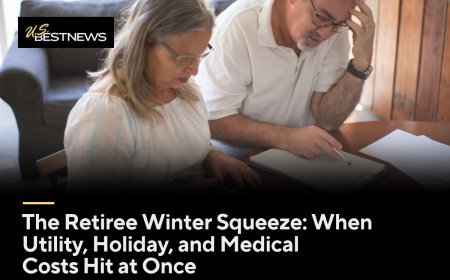










The Retiree Winter Squeeze: When Utility, Holiday, and Medical Costs Hit at Once
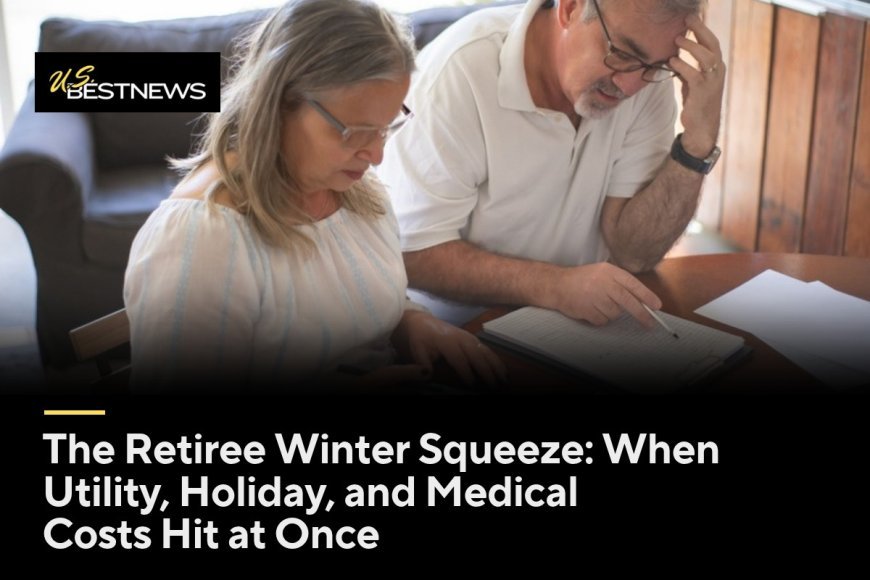
For many retirees, winter brings a financial pile-up. Heating bills climb, holiday spending peaks and medical costs often cluster at the end of one year and the start of the next. On a fixed income, these overlapping costs can strain even a careful budget.
This guide looks at why the squeeze happens and how retirees can plan for it, with a focus on timing and cash flow rather than cutting every expense.
Why winter costs collide
Utility bills tend to rise in the coldest months, especially for homes heated with natural gas, propane, heating oil or electricity. Our separate guides on lowering heating bills and comparing space heaters cover ways to reduce those costs.
Holiday spending on gifts, travel, food and entertaining falls in November and December.
Medical costs can also bunch up. Medicare Part D and Medicare Advantage plans often reset deductibles in January, and new plan choices made during open enrollment, which runs October 15 to December 7, take effect January 1.
The good news: a bigger check in January
Social Security benefits will rise 3.6% starting in January 2027, according to the Social Security Administration. SSA estimates the average retirement benefit will increase by about $75 per month.
That increase can help, but it may be offset by changes in Medicare premiums, which are often deducted from Social Security checks. Check your COLA notice, which SSA says will be available online in late November, to see your new net amount.
Plan your winter budget using your actual expected income, not just the headline increase.
Map your winter cash flow
Make a simple calendar for November through March. List expected income, such as Social Security, pensions and withdrawals from savings.
Then list expected costs: utilities, holiday spending, insurance premiums, medical deductibles, property taxes and other bills that come due in winter.
Seeing the timing helps you spot months when costs will exceed income. You can then plan ahead by setting money aside or adjusting spending.
Smooth out utility bills
Many utility companies offer budget billing, which spreads annual costs evenly across the year. This can prevent a very large bill in January or February.
Ask your utility whether it offers budget billing or payment plans. Some utilities also have assistance programs for seniors or low-income customers.
The federal Low Income Home Energy Assistance Program, known as LIHEAP, helps eligible households pay heating and cooling bills. Contact your state or local LIHEAP office to see if you qualify. Our separate guide on winter utility shutoff protections covers what to do if you fall behind.
Set a holiday budget early
Decide how much you can afford to spend on the holidays before you start shopping. Include gifts, travel, food and decorations.
Consider lower-cost ways to celebrate, such as homemade gifts, family gift exchanges or experiences instead of things. Our separate guide on giving cash gifts to family covers how retirees can give without straining their own finances.
Avoid using high-interest credit cards for holiday spending unless you can pay in full.
Plan for medical costs
Review your Medicare coverage during open enrollment, which ends December 7. A State Health Insurance Assistance Program counselor, known as SHIP, can provide free, unbiased help comparing plans.
Know your deductibles and copays for the new year. If your plan's deductible resets in January, set aside money for prescriptions and doctor visits early in the year.
If you have income limits, you may qualify for programs that help pay Medicare costs, such as Medicare Savings Programs or Extra Help for prescription drugs.
Use savings wisely
Many retirees keep an emergency fund or cash reserve for unexpected costs. Winter can be a good time to use that cushion if needed, rather than taking on high-interest debt.
If you take withdrawals from retirement accounts, think about the timing. A tax professional or financial planner can help you consider whether to take withdrawals in December or January.
Rebuild your cash reserve in spring and summer, when costs are often lower.
Look for discounts and assistance
Many communities offer help for older adults, such as property tax relief, utility discounts and free tax preparation. Your local Area Agency on Aging can help you find programs.
Some pharmacies and drug manufacturers offer discounts or assistance programs. Ask your doctor or pharmacist.
Don't overlook senior discounts at stores, restaurants and services.
Talk with family
If winter costs are a strain, it may help to talk with family. Some families share costs, help with bills or host older relatives for the winter. Our separate guide on moving a parent in for the winter covers how to plan that kind of arrangement.
Be honest about what you can afford for holiday gifts and travel. Many families are happy to simplify.
Watch for scams during the squeeze
Financial stress can make anyone more vulnerable to scams. Fraudsters target retirees around COLA season with fake calls about benefits. Our separate guide on Social Security scam calls covers the scripts to watch for.
Be cautious of offers that promise to lower utility bills, cut medical costs or provide quick loans. Check with your utility, insurer or a trusted advisor before acting.
Required minimum distributions
Retirees with tax-deferred retirement accounts may need to take required minimum distributions by December 31. If you have not taken yours for the year, check your account and plan ahead.
A tax professional can help you understand how distributions affect your taxes and possibly your Medicare premiums.
Heating safety
Trying to save on heat can lead to unsafe choices. Do not use ovens or outdoor heaters to heat your home. If you use a space heater, follow safety guidance. Keep your home warm enough to stay healthy; cold homes can be dangerous for older adults.
Prepare for winter emergencies
Winter storms can bring power outages and unexpected costs. Keep a basic emergency kit with flashlights, batteries, blankets, water and nonperishable food. Have a plan for staying warm if the power goes out, and keep a list of medications and important phone numbers.
Medicare premium changes
Medicare Part B premiums can change each year. CMS usually announces the next year's amounts in the fall. If your premium is deducted from Social Security, the change affects your net check. Check your COLA notice for your actual amount.
Ask for help early
If you expect to fall behind on bills, contact your utility, insurer or creditors before you miss a payment. Many offer payment plans or assistance, and acting early usually gives you more options.
Two retirees, one season
Consider a retiree whose heating bill, holiday spending and a January prescription deductible all land within about six weeks. Without a plan, she might put holiday gifts on a credit card and pay interest well into spring. With a plan, she signs up for budget billing in the fall, sets a gift budget and sets aside money for the deductible before January.
Another retiree takes his required minimum distribution in December and uses part of it to cover winter costs, after talking with a tax professional about the timing. Both approaches start with the same step: writing down what is coming and when.
Common mistakes in the winter squeeze
Common mistakes include budgeting with the headline COLA instead of the net check, waiting until a bill is overdue to ask about payment plans and skipping a plan review during open enrollment.
What to do this week
Look for your COLA notice once it is posted in late November, call your utility about budget billing and book a SHIP appointment if you want help comparing Medicare plans before December 7.
A plan for next year
Once winter passes, look back at what worked and what did not. Note which bills were highest and when.
Next year, start saving a little each month in summer and fall for winter costs. Even small amounts can make a difference.
The winter squeeze is predictable. With planning, it does not have to be stressful.
What's Your Reaction?
 Like
0
 Dislike
0
 Love
0
 Funny
0
 Angry
0
 Sad
0
 Wow
0