





Digital Wallets vs. Physical Cards: Which Is Safer at Checkout?
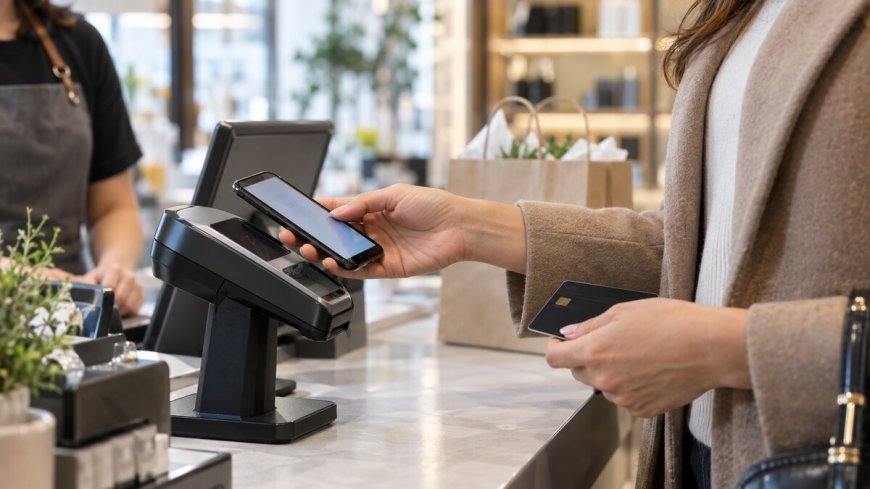
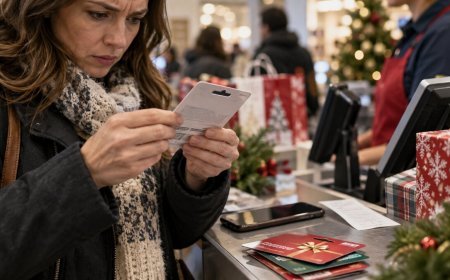
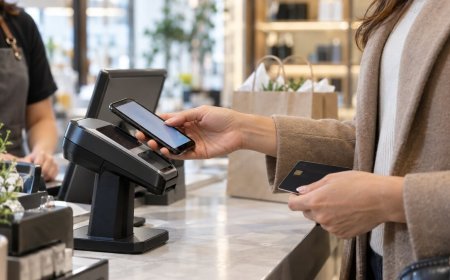
You are standing at the register with a phone in one hand and a worn card in the wallet in the other. The cashier asks tap or swipe. Most people pick whatever feels faster. That is how safety decisions get made in fluorescent light: by habit, not by a thirty-second plan.
Digital wallets and physical cards are not equally safe in every checkout. Tokenization, lock screens, and stolen-wallet risk change the math. This guide is a consumer checkout safety comparison for Apple Pay, Google Pay, and plastic. It is not a tech deep dive, and it is not a claim that one method wins every store, every trip.
Reframe: safer means harder to steal and easier to kill after a loss
Safety at checkout is less about the logo on the plastic and more about what a thief can do in the next hour if your bag vanishes. A physical card is a reusable key that works anywhere the mag stripe or chip still works. A digital wallet usually shares a token, not your full card number, and sits behind a phone lock you already use a hundred times a day.
Napkin framing helps. If someone lifts your card from a purse, they may try it at a gas pump or online before you notice. If someone grabs a locked phone, they often cannot open the wallet app without your face, fingerprint, or passcode. That gap is the practical advantage people mean when they say digital wallets feel safer.
What tokenization actually does at the terminal
When you tap a digital wallet, the store usually receives a device-specific token and a one-time code, not the long number printed on your card. The merchant still gets paid. A skimmer or a careless employee who glimpses a receipt has less useful raw card data to walk away with. That is the core security pitch in plain English.
A physical tap card can also use chip and contactless tech, and many modern cards are safer than old swipe-only plastic. The wallet still adds a layer: the token is tied to that phone, and you can freeze the card in the bank app without waiting for a replacement to arrive in the mail. Plastic alone depends more on you noticing the loss fast.
Phone locks beat an open purse more often than people admit
Most adults already protect a phone with a PIN, pattern, fingerprint, or face unlock. Far fewer people treat a card sleeve with the same seriousness. If your phone requires unlock before payment, a grab-and-run thief has a wall. If your physical card sits in an unzipped pocket, the wall is mostly luck and store cameras.
Keep the phone lock real. A six-digit code beats 1-2-3-4. Auto-lock should be short, not never. If you share a phone with kids or leave it unlocked on a cafe table, you just removed the main safety feature of the wallet. The tool is only as careful as the habit around it.
When a physical card is still the smarter checkout move
Digital wallets do not win every lane. Some terminals still fail on phone tap, especially older readers, certain parking kiosks, hotel front desks, and small shops with finicky contactless pads. Dead phone batteries turn your wallet into a brick. Travel days with weak signal and long lines are when a backup card earns its keep.
There is also a behavioral trap. If adding a card to a wallet makes you feel invincible, you may ignore statement alerts or leave the physical card in a risky place as a spare. Safer tools still need the same weekly glance at transactions. Choose plastic when the reader will not take a phone, when battery anxiety is real, or when you want a low-tech backup in a separate pocket.
- Terminal refuses phone tap after two tries
- Phone battery is under 15% and you have no power bank
- You need a card for a deposit hold some hotels still prefer on plastic
- You are teaching a teen with a locked spending card and no smartphone wallet yet
Stolen wallet vs stolen phone: the hour that matters
Picture two losses on a Saturday. In scene one, a pickpocket takes a wallet with two cards and your ID. You might not know for hours. Fraudsters can test small charges fast. In scene two, a phone is stolen but locked. Wallet payments usually fail without biometrics or a passcode. You can remotely lock or erase the phone and freeze cards from another device or a partner call.
Neither story is perfect. A determined thief who knows your PIN is a different problem. So is phishing that tricks you into sharing a one-time code. Still, for everyday grab theft, the locked phone plus remote freeze often buys you time plastic alone does not. Practice the freeze path once before you need it: bank app location, card controls, and the customer service number saved offline.
Online checkout is a different safety lane
In-store tap and online forms are not the same risk. Typing a full card number into a sketchy site exposes more data than a tokenized wallet checkout on a reputable merchant. Browser autofill can help or hurt depending on whether you saved cards into a password manager with a master lock.
For holiday online carts, prefer checkout flows that keep the full number off the page when your wallet or a trusted processor handles it. Avoid public Wi-Fi for big purchases unless you know what you are doing. Physical cards do not automatically lose online. Careless form fills do. Match the method to the channel: wallet or virtual card numbers for frequent web shopping when your bank offers them, plastic for the odd terminal that needs a swipe.
Shared carts, family phones, and the who-authorized problem
Households complicate the neat wallet story. A partner may need to buy gas on your card. A teen may need lunch money. Loading every card onto every phone creates a permission mess. Leaving one shared physical card in a kitchen drawer creates a different mess when it goes missing and nobody knows who used it last.
A practical split: primary shopper uses digital wallet on a locked phone for daily errands. Keep one backup physical card in a known home spot for true emergencies, not for casual borrowing. For teens, a low-limit debit or prepaid option with alerts often beats handing over the household credit card. Talk about freeze rules the way you talk about spare house keys.
Skimmers, taps, and the gas-pump habit
Gas pumps and outdoor terminals remain favorite targets for skimming hardware. Pay inside when a pump looks odd, loose, or newly stickered in a weird way. Phone tap at the pump, when it works, can reduce how often your full card data touches a compromised reader. If the pump only takes insert, paying inside with a watched terminal is still smart.
Grocery self-checkout is usually fine with either method. Watch for shoulder surfing when you enter a PIN on debit. Credit tap through a wallet often skips the PIN dance. Whatever you choose, turn on purchase alerts so a $1 test charge pings you before a $400 follow-up does.
A simple default rule for most weekly shopping
For routine grocery, pharmacy, and big-box trips, default to digital wallet on a locked phone with alerts on. Carry one physical backup card in a separate pocket or zip compartment, not stacked with your ID in an easy-grab wallet. Do not carry every card you own. Fewer cards mean fewer freezes if something goes wrong.
Review the last seven days of charges every Sunday night for two minutes. That habit beats arguing about which logo is theoretically safer. Safety is the combination of tokenized checkout, fast detection, and a freeze you know how to hit without Googling under stress.
Checkout safety checklist you can screenshot
- Phone lock is on, auto-lock is short, and wallet requires authentication for payments
- Purchase alerts enabled for every card loaded in the wallet
- One backup physical card carried separately; extras left at home
- Bank app freeze path practiced once on a calm day
- Odd pumps and sketchy outdoor readers: pay inside or use phone tap when available
- Dead-battery plan: power bank or known backup card before long outings
- Weekly two-minute transaction scan on the same day each week
- Household rule written: who can pay, who gets alerts, who calls the bank
This week, pick your default before the next store run. Load the card you actually use into your phone wallet if it is not there yet, turn on alerts, and park one backup card where you can find it under stress. Safer checkout is less about winning an argument online and more about making the common trip harder to steal from.
What's Your Reaction?
 Like
0
Like
0
 Dislike
0
Dislike
0
 Love
0
Love
0
 Funny
0
Funny
0
 Angry
0
Angry
0
 Sad
0
Sad
0
 Wow
0
Wow
0