















Gift Card Scams to Watch for Before the Holiday Rush
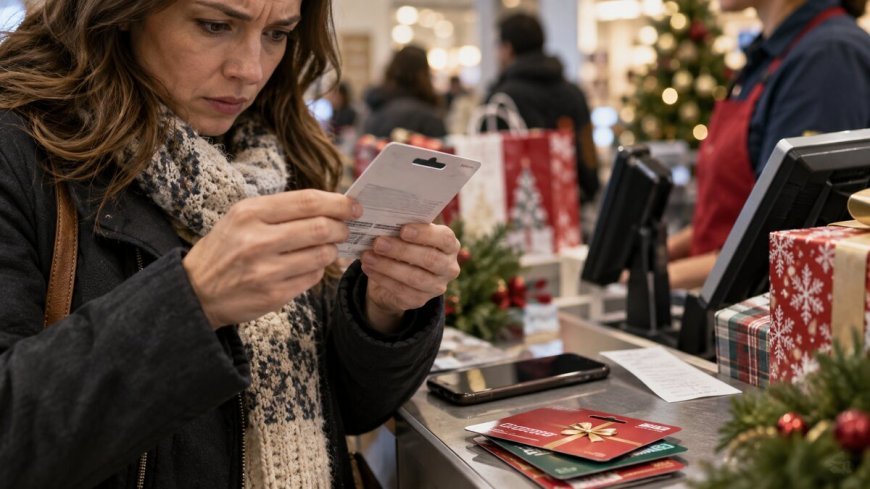
Gift cards look simple: plastic or a digital code, a fixed amount, done. Holiday aisles make them feel even safer, like a no-wrong-size shortcut. Scammers know that story. They tamper with rack cards, build fake balance sites, and talk rushed shoppers into paying bills or bail stories with gift card PINs. The damage shows up when a birthday kid tries to redeem zero.
You do not need to swear off gift cards. You need a short inspection habit before you buy, a safer way to give them, and a firm no-list for anyone who demands gift cards as payment. This is a pre-holiday scam watch for busy households, not a fear tour, and not a lecture against every mall kiosk.
Reframe: treat gift cards like cash in a thin envelope
A gift card is close to cash once the code is visible or peeled. If someone else reads the code before you do, they can drain it online while the card still sits on a store hook looking untouched. That is why packaging, seals, and where you buy matter more than the brand logo printed on the front.
Napkin rule: if you would not leave a $50 bill taped to a public shelf, do not trust a card with a disturbed scratch panel or a floppy sleeve. Buy from a cashier, inspect before you pay, and register or spend promptly when the card is for your own use. Delay is how drained cards stay undetected.
Tampered packaging: what to look for on the rack
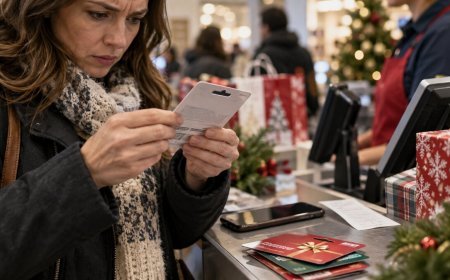
Stand in the gift card aisle and slow down for twenty seconds. Look for torn plastic, glue residue, mismatched barcodes, bulky stickers over the PIN, or a scratch-off that looks re-covered. Cards hanging near the edge of a display get handled more. Choose ones deeper in a sealed pack when stores offer that option.
If anything feels off, pick another card or skip that brand at that store. Tell a cashier rather than quietly putting a sketchy card back for the next shopper. Stores would rather pull bad stock than process fraud claims later. Your two-minute check protects more than your own holiday list.
- Packaging intact, no peeling corners or cloudy reglue
- PIN or code area untouched until you buy and open it
- Barcodes and brand printing look consistent, not layered stickers
- Bought at the register, not left unpaid in a cart for later
Fake balance-check sites and phishing texts
After you buy, you may want to confirm the balance. Use the official brand site or phone number printed on the card, not a sponsored link from a random search ad, and not a shortened URL from a text. Fake balance pages exist to harvest codes. Once you type the PIN into the wrong box, the card can empty in minutes.
Holiday phishing loves urgency: Your gift card will expire tonight, confirm now. Real brand expirations are usually clearer and less theatrical. If a text or email asks you to enter a gift card number to claim a prize, stop. Prizes that demand your card code are not prizes.
The classic pay-with-gift-cards pressure script
No legitimate tax office, utility company, bank, or law-enforcement agency will demand payment in gift cards. Neither will a real tech-support agent who cold-calls you. Scammers push gift cards because the funds move fast and are hard to reverse once the codes are read over the phone.
The script often includes secrecy, fear, and a ticking clock: Do not tell your spouse, buy specific brands, scratch the codes, read them now. If anyone directs you to a store with a shopping list of gift cards for a bill or a fine, hang up and verify through a number you look up yourself. That single habit stops a huge share of holiday fraud losses.
Buying online vs in store for gifting
Digital gift cards from official brand sites or major retailers can be safer than rack cards when you avoid shady resellers. You receive the code by email, control who gets it, and skip the public hook. The risk shifts to email accounts and forwarding mistakes. Send digital cards close to the gift day, confirm the recipient address twice, and keep the confirmation.
Third-party marketplaces that sell discounted gift cards can be legitimate or loaded with drained inventory. If a deal looks far below face value, ask why. For household gifting, paying face value from a known seller often beats a bargain that becomes an awkward apology. In-store purchases should still go through checkout activation; an unactivated card is an expensive bookmark.
Safer ways to give cards this season
Buy from the cashier, keep the receipt, and put the receipt with the gift or in a photo album. Receipts help if a card fails activation or shows a zero balance immediately. For teens and older relatives, a short note with the official balance-check URL beats a vague just try the site.
Consider giving a smaller card plus a wish-list item instead of one oversized card that becomes a theft target in a purse. If you mail a physical card, treat it like cash: discreet packaging, tracking if the amount is meaningful, and a heads-up text so it does not sit in a shared mailbox for days.
- Purchase at register and confirm activation on the receipt when shown
- Photo the receipt and card number sections you are allowed to copy for your records
- Deliver promptly; do not leave high-value cards in cars or unlocked desks
- Prefer official digital delivery for far-away recipients when email is secure
- Skip any request to pay rent, taxes, or bail with gift cards
If a card is drained or dead on arrival
Act the same day. Contact the merchant where you bought it and the brand on the card with the receipt, approximate time, and store location. Ask how to report suspected tampering. Credit card purchases of gift cards may offer more dispute options than cash or debit, which is one more reason to buy the cards themselves on a credit card you pay in full.
Do not keep trying random websites to investigate. Stick to official channels. If you already read codes to a caller, tell the bank and local authorities promptly and document the call details. Shame helps scammers. Paper trails help you.
Workplace and school gift exchanges
Office white elephants and teacher gifts create piles of cards on break-room tables. That is convenience and risk in one bowl. If you contribute, hand the card directly to the organizer in a sealed envelope. If you receive one, check packaging and test the balance through official channels before December chaos eats your attention.
For school fundraisers selling cards, buy only through the school's known process, not a forwarded personal payment request that looks similar. Holiday kindness and holiday phishing share the same inbox. Slow is polite when money codes are involved.
A household no-list you can agree on tonight
Agree out loud: we never pay unexpected bills with gift cards. We never buy cards because a stranger on the phone told us to. We inspect rack cards before purchase. We use official balance checks only. We keep receipts until the card is spent. Write it where teens and older relatives can see it. Scam scripts target whoever answers.
If someone in the house already feels embarrassed about a close call, treat it as training, not a punch line. The next caller will sound even more official. Practice the hang-up-and-verify move once so it feels normal.
Holiday gift card checklist
- Inspect packaging and PIN area before you pay
- Buy at the register; keep the receipt with the gift plan
- Balance-check only on official brand channels
- Say no to any bill, fine, or prize that demands gift card codes
- Prefer official digital cards for remote gifting when email is trusted
- Deliver physical cards promptly and discreetly
- Report dead or drained cards the same day with documentation
- Share the household no-list with anyone who might shop for you
This weekend, before the racks get picked over, walk one store trip with the inspection habit and buy only what your list needs. Gift cards can still be an easy present. They just should not be an easy win for someone standing in the aisle three hours before you.
What's Your Reaction?
 Like
0
Like
0
 Dislike
0
Dislike
0
 Love
0
Love
0
 Funny
0
Funny
0
 Angry
0
Angry
0
 Sad
0
Sad
0
 Wow
0
Wow
0