





















Holiday Price Adjustments: How to Get Money Back When Something Goes on Sale After You Buy
You finally bought the stand mixer, the winter boots, or the kids' tablet you had been watching for weeks. Two days later, the same item shows up in an email for $40 less. It stings. Most people sigh, delete the email, and move on. But depending on where you bought it, you may be able to get some of that money back without returning anything.
Many stores have some kind of price adjustment policy, sometimes called a price guarantee. The rules vary a lot, and they can change from season to season, so nothing here is a promise about any particular store. What follows is a simple, consumer-level game plan: how to find the policy, what to keep, when to ask, and how to make the request in a way that tends to go smoothly during the busy holiday season.
What a price adjustment is, and what it is not
A price adjustment is when a store refunds the difference after the price of something you bought drops within a certain window. You keep the item, and the store sends the difference back to your original payment method or gives it as store credit. It is different from a price match, which usually means a store agrees to meet a competitor's lower price at the time you buy.
Price adjustments are not guaranteed by law, and not every store offers them. Some only adjust their own regular price drops and exclude special events, clearance, or limited-time doorbusters. Others may not offer them at all during certain holiday periods. That is why the first step is always the same: read the actual policy for the store where you shopped.
Find the policy before you need it
The easiest time to check a store's price adjustment rules is before you buy. Look on the store's website, usually in the help section near returns or pricing policies. You can also ask at the customer service desk or check the back of a printed receipt, where some stores list the key details.
As you read, look for a few basics:
- How many days after purchase you can ask for an adjustment.
- Whether it applies to online orders, in-store purchases, or both.
- Which sales are excluded, such as clearance, doorbusters, or open-box items.
- Whether a lower price at a sister store or the store's website counts.
- Whether the refund comes back as cash, card credit, or store credit.
Jot the window down next to the purchase on your holiday list. A short note like the store name and the last day to ask makes it much easier to act if a price drops.
Keep every receipt and order confirmation
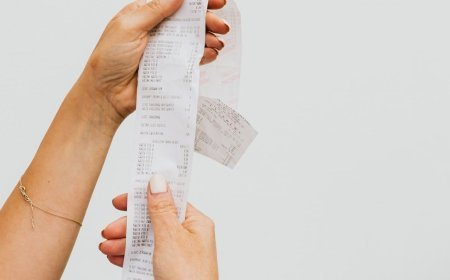
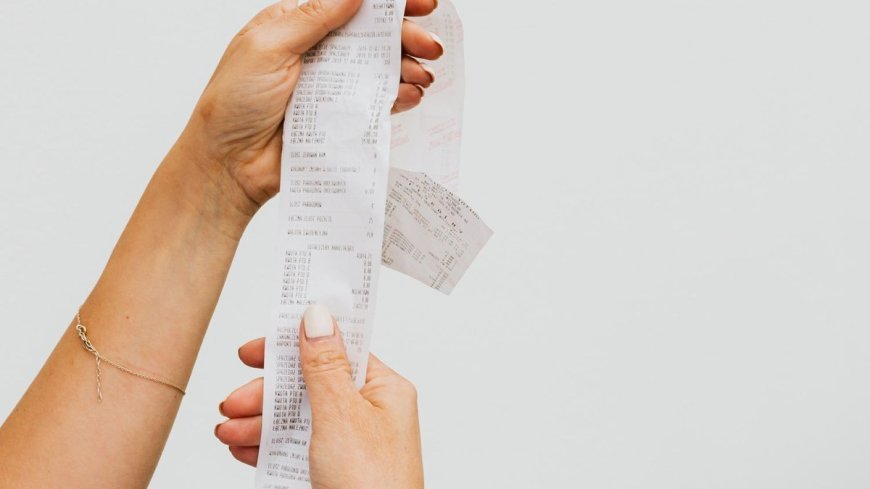
You cannot get a price adjustment if you cannot prove what you paid. During the holidays, receipts tend to vanish into coat pockets and shopping bags. Pick one place for them, such as an envelope on the fridge or a folder in your email, and put every receipt there right away.
For online orders, keep the confirmation email and note the order number. For in-store purchases, many stores can look up a receipt from the card you paid with or from your loyalty account, but it is still smart to keep the paper copy or snap a photo of it. If you used a store account to check out, your order history may also show the price you paid and the date.
Watch prices during the adjustment window
Once you have bought something with an adjustment window, keep an eye on its price for those few weeks. You do not need to refresh the page every hour. A few easy approaches work well.
Set a free price alert through a price tracking tool, or add the item to a store wish list that notifies you about price drops. Glance at the store's weekly ad or sale emails, especially around big shopping weekends. If you bought several gifts at the same store, check them all at once on a set day each week. A five-minute routine on Sunday nights can catch most drops before the window closes.
Know how timing can trip you up
Timing is where most price adjustment requests fail. The window often starts on the day you buy or the day an online order ships or arrives, depending on the store. If you wait until the end of the month to check, the window may already be closed.
Holiday shopping adds another wrinkle. Some stores shorten, extend, or pause their adjustment rules around major sale days. A store might, for example, exclude prices from a single-day event or cap adjustments during a certain stretch of November. Read the fine print for the season you are shopping in, not the policy you remember from last spring. And if a price drops on the very last day of your window, ask that day rather than waiting.
How to ask for the adjustment
When you spot a lower price, make the request quickly and politely. Have your receipt or order number ready, along with proof of the new price. That could be a screenshot of the product page showing the date, a photo of the shelf tag, or a link to the current listing.
For online purchases, many stores let you start the request through online chat or a customer service form. For in-store purchases, visit the service desk during a quieter time if you can, such as a weekday morning, rather than a busy Saturday afternoon. Keep it simple. Explain that you bought the item on a certain date, that the price is now lower, and ask whether you are eligible for a price adjustment under their policy.
If the answer is no, ask whether there is another option, such as returning and rebuying the item if the return window is still open and the item is unopened. Some stores allow this, and some discourage it, so check the return rules first and be honest about what you are doing.
Whatever the outcome, stay friendly. The person at the desk did not write the policy, and a calm tone often goes further than a frustrated one. If you think the policy was applied incorrectly, ask politely whether a manager can take a second look, then accept the answer and move on.
A brief word about card benefits
Some credit cards once offered price protection that refunded the difference when an item went on sale after you bought it. Many issuers have since dropped or reduced this kind of benefit, so do not assume your card has it. If you are curious, look up your card's current benefit guide or call the number on the back before counting on it.
Is it worth the effort?
Not every price drop is worth chasing. A $3 difference on a small item may not be worth a trip to the store. But for bigger purchases, like electronics, small appliances, coats, or larger gifts, a few minutes of effort could put real money back in your pocket.
A simple rule of thumb is to set your own minimum. For example, you might only bother when the drop is $10 or more, or when you can make the request online in a few minutes. Adding up several small adjustments across the season could still cover a holiday dinner or a stack of stocking stuffers, so it is worth having a plan.
The bottom line
A price drop after you buy does not have to be money lost. Check the store's adjustment policy, keep every receipt in one place, watch prices during the window, and ask politely with proof in hand. This week, look up the price adjustment rules for the two or three stores you plan to use most this holiday season and write down each window. That small step could turn the next sale email from a sting into a refund.
What's Your Reaction?
 Like
0
Like
0
 Dislike
0
Dislike
0
 Love
0
Love
0
 Funny
0
Funny
0
 Angry
0
Angry
0
 Sad
0
Sad
0
 Wow
0
Wow
0