


























10 Small Home Repairs That Become Expensive When You Keep Waiting
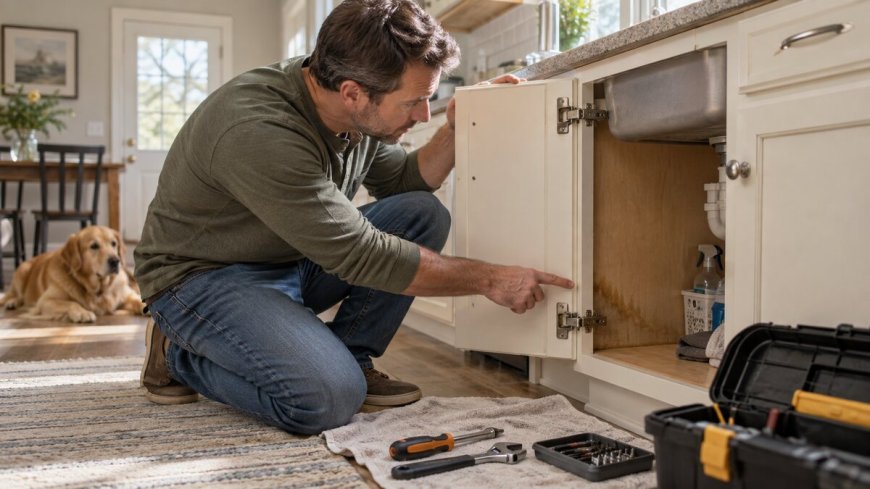
That slow drip under the sink sounded harmless in July. By September it has stained the cabinet floor, warped a board, and invited a plumber who quotes a number that makes your stomach drop. Small home repairs almost never stay small when you keep waiting. They quietly turn into weekend emergencies, insurance calls, and credit-card surprises.
This is not a full remodel plan. It is a household money list: ten common fixes that get expensive when you ignore them, plus a simple priority order so you spend a Saturday instead of a four-figure Saturday-plus. Grab a notepad, walk the house once, and mark what is already whispering.
Why waiting costs more than the part
Most small repairs are cheap when the problem is still local. A washer, a tube of sealant, a new filter, or a half day of elbow grease can stop damage before it spreads into cabinets, drywall, flooring, or wiring. Delay lets water, air, pests, and friction travel. The second bill is rarely for the original part. It is for the trail the leak or draft left behind.
Napkin math helps. A $12 faucet washer ignored for months can soak particleboard that costs hundreds to replace. A clogged dryer vent that needed a cleaning can become a heat and fire risk plus a service call. Treat "later" as a price tag, not a calendar note.
1. Dripping faucets and slow sink leaks
A drip looks like background noise until you open the cabinet and find a soft floor or a moldy smell. Kitchen and bath leaks also waste water every hour you sleep. Shut off the valve, check the supply lines, and replace worn washers or cartridges before the cabinet bottom fails.
If you see staining or soft wood, dry everything, set a pan underneath, and schedule the cabinet repair sooner rather than after holiday cooking week. Water plus particleboard is a race you will not win by hoping.
2. Toilet that runs or rocks
A running toilet can waste hundreds of gallons a month without anyone noticing until the water bill jumps. A rocking toilet can break the wax seal and leak onto the subfloor. Both problems start as "annoying" and end as flooring or mold work.
Flapper kits and fill valves are usually inexpensive DIY. If the toilet base is loose, stop using it until the seal and bolts are checked. A dry bathroom floor this month beats a soggy vanity next month.
3. Gutter clogs and downspouts that dump at the foundation
Clogged gutters send rain behind the fascia or straight onto the foundation. That moisture can invite basement dampness, landscaping washouts, and ice dams when cold weather hits. A ladder, gloves, and a weekend morning often beat a foundation repair quote.
Aim downspouts several feet away from the house. If water ponds by the sill after every storm, extend the spout or add a splash block before fall rains get heavier. Roof water wants a clear path. Give it one.
4. Weatherstripping, door sweeps, and cracked caulk
Drafts raise heating bills and let moisture into joints around windows and doors. Cracked caulk around tubs and showers is an open invitation for water behind tile. These are dollar-store and hardware-aisle fixes that protect comfort and bigger finishes.
Walk the house on a windy evening with a lit incense stick or a damp hand near seams. Seal what moves air. Recaulk wet rooms before holiday guests turn the bathroom into a steam room all weekend.
5. Dryer vents and lint traps that never quite get clean
Lint buildup is a fire and efficiency problem. A dryer that takes forever to dry clothes already costs electricity and time. A clogged exterior vent can also push hot moist air into walls. Clean the trap every load, vacuum the hose path, and check the outdoor flap for birds or crushed ducting.
If the dryer still runs long cycles after a cleanout, call a vent specialist before you buy a new machine "because it is old." Sometimes the machine is fine and the pipe is the money leak.
6. Smoke and CO detectors with dead batteries or past-due dates
This one is safety first and money second. A chirping detector is easy to ignore at 2 a.m. A dead unit during a real event is a catastrophe. Replace batteries on a set schedule and replace units that are past the manufacturer date stamped on the back.
Pair the detector walk with a flashlight check of outlets near kitchens and baths. Scorch marks or warm plugs are not "quirks." They are early electrical repairs you want before holiday lights and space heaters load the circuit.
7. Loose railings, soft porch boards, and sticky exterior doors
Exterior wood and hardware take weather abuse. A loose railing can become a fall hazard. Soft boards hide rot that spreads into joists. Sticky doors can mean swelling from moisture or a frame starting to shift. Catching these early keeps a handyman visit smaller than a carpentry project.
Tighten what you can, replace what flexes underfoot, and scrape-paint bare spots before winter moisture freezes in the grain. Outdoor delay is expensive because weather does not pause for your calendar.
8. HVAC filters and the "I will change it next month" pile
Dirty filters make furnaces and AC units work harder, raise energy use, and can freeze coils or overheat systems. The filter itself is cheap. A service call after a shutdown is not. Write the size on the furnace door and keep two spare filters on a shelf.
Change on the schedule the filter packaging suggests for your household dust and pets. If airflow feels weak or rooms never even out, check the filter before you assume the whole system is failing.
9. Refrigerator coils and the drip pan nobody sees
Dusty coils make the fridge run longer and can shorten compressor life. A neglected drip pan or clogged defrost drain can leave puddles under the appliance that ruin flooring. Pull the fridge carefully, unplug if needed, and vacuum coils per the manual.
Listen for unusual cycling and check the floor for dampness after heavy fridge use weeks. A $0 weekend vacuum can postpone a repair bill that arrives right when grocery prices already feel high.
10. Squeaks, soft spots, and "mystery" ceiling stains
Floor squeaks can mean loose fasteners. Soft spots can mean water or pest damage. Ceiling stains are almost never paint problems alone. Photograph stains, note if they grow after rain, and trace upward before you just cover them with a matching paint can.
Early inspection keeps a small leak from becoming a room redo. If you rent, document and report fast. If you own, treat stains as a map, not a cosmetic annoyance.
A weekend priority list that protects the budget
You do not need to fix all ten in one day. Rank by water, safety, then energy waste, then comfort. Water and combustion safety move first because delay multiplies damage. Energy and draft fixes pay back on the next utility bill. Cosmetic squeaks can wait until the urgent list is clear.
- Any active water: faucets, toilets, stains, soft wood
- Safety: detectors, loose railings, scorched outlets, dryer vents
- Weather shell: gutters, caulk, weatherstripping, exterior doors
- Efficiency: HVAC filters, fridge coils
- Comfort noise: squeaks and sticky interior doors last
DIY vs call a pro without burning the weekend
DIY fits filters, detectors, basic caulk, weatherstripping, simple flappers, and gutter clearing if you are safe on a ladder. Call a pro for gas appliances, major electrical, roof work above your comfort, structural soft spots, and any leak you cannot find after a careful look. A short paid diagnosis often costs less than three wrong DIY parts and a ruined Saturday.
Keep receipts and photos. If a repair later becomes an insurance conversation, dated proof helps. Even without insurance, photos stop you from forgetting what you already fixed when the next season arrives.
What to do this weekend
Walk every wet room, the laundry area, the mechanical closet, and the exterior after the next rain. Circle three items only. Buy parts the same day. Finish those three before you add a fourth. Small home repairs stay cheap when they stay on a short list instead of a guilt pile.
Waiting feels free until the cabinet floor, the flooring under the toilet, or the furnace weekend emergency sends the real invoice. Fix the whisper while it is still a whisper. Your future self, and your checking account, will notice the difference the first cold, wet week of fall.
What's Your Reaction?
 Like
0
Like
0
 Dislike
0
Dislike
0
 Love
0
Love
0
 Funny
0
Funny
0
 Angry
0
Angry
0
 Sad
0
Sad
0
 Wow
0
Wow
0