




























Holiday Return Windows: The Store Policies to Check Before You Buy a Gift
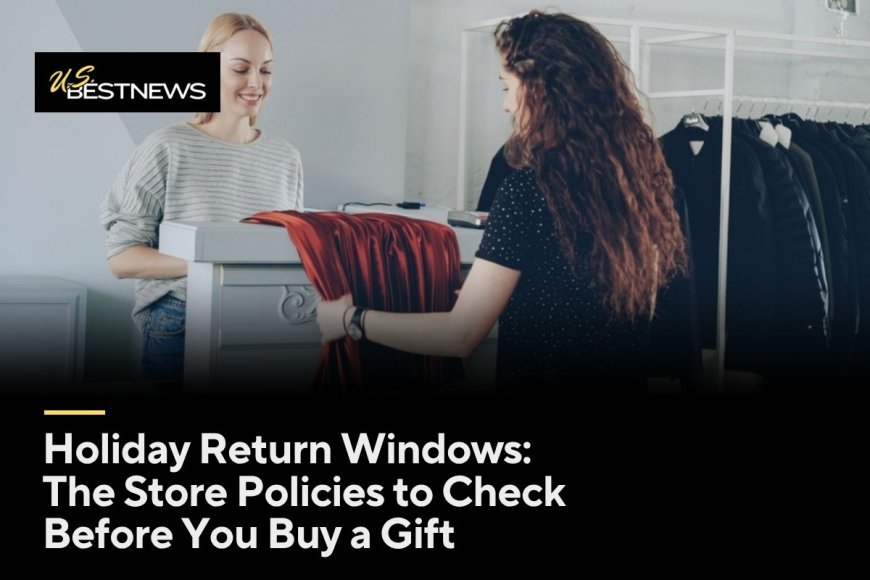
Not every gift is a hit. A sweater runs small, a gadget duplicates one the recipient already has, or a toy is the wrong version. The easy fix is a return, but only if the store's policy allows it. Return policies are set by each store, and they vary more than most shoppers expect. There is no general federal law requiring stores to accept returns.
That is why the best time to check a return policy is before you buy, not on December 26. A few quick questions at the register or a glance at the store's website can save you money and frustration. Here are the policy details to check before you buy a gift.
Holiday return windows
Many stores extend their return windows for holiday purchases, often allowing items bought in November and December to be returned into January. The specific dates vary by retailer and sometimes by product category. Some stores do not extend their windows at all.
Check the exact dates. A store might say purchases made after a certain date in the fall can be returned until a set date in January. If you buy early, make sure your purchase falls within the extended window.
Electronics, appliances, and other high-priced items often have shorter return windows than other merchandise, even during the holidays. If you are buying a gift like a laptop or game console, check its specific return terms.
Receipts and gift receipts
Most stores require a receipt for a full refund. Without one, you may be offered store credit at the item's lowest recent selling price, or your return may be denied. Some stores track returns without receipts and limit how many you can make.
Ask for a gift receipt. It lets the recipient return or exchange an item without seeing the price. Gift receipt returns often result in store credit or an exchange rather than a refund to your payment method.
Keep your original receipts organized, and consider using digital receipts, which can be easier to find. If you buy online, keep your order confirmation emails.
Restocking fees and condition rules
Some stores charge restocking fees for opened items, especially electronics, large appliances, and special-order merchandise. These fees can be a percentage of the purchase price. Ask before you buy so you are not surprised.
Many stores require items to be unopened or in original condition with all packaging, tags, and accessories. Opened software, video games, and personal care items may not be returnable or may only be exchanged for the same item.
Final sale and clearance items are often not returnable. If you are buying something on clearance as a gift, confirm whether it can be returned.
Online orders and shipping
Online stores have their own return rules. Some offer free return shipping, while others deduct shipping costs from your refund. Some allow returns in store, which can save shipping costs and time.
Check how long you have to start a return and how long refunds take. Some retailers start the return window from the delivery date, while others start it from the purchase date. Marketplace sellers on large shopping sites may have different policies than the site itself.
If you are shipping a gift directly to the recipient, make sure they know how to return or exchange it. Some sites allow gift returns without notifying the buyer.
Payment methods and protections
Refunds usually go back to the original payment method. If you used a gift card, you may get store credit. If you used a credit card, the refund will usually appear on your statement.
Some credit cards have offered return protection, which may refund eligible items if a store will not accept a return. These benefits have become less common, and terms vary. Check your card's current benefits guide before you count on it.
If a store refuses a return it promised to accept or an item is defective, you may be able to dispute the charge with your credit card issuer. Keep records of your communication with the store.
Ask these questions before you buy
How long is the return window for this item? Is there a holiday extension? Do I need the receipt, and can I get a gift receipt? Is there a restocking fee? Can the item be returned if opened? Can online purchases be returned in store?
Taking a minute to ask these questions can save money. It can also help you choose where to buy a gift, since stores with better return policies are worth considering when you are unsure about size or preference.
For gifts that are more likely to be returned, such as clothing or electronics, choose a store with flexible policies. Let the recipient know the return deadline if you think they might need to make a change.
Special cases to keep in mind
Some items have special return rules. Mattresses, swimwear, earrings, and personal care items may be nonreturnable for hygiene reasons. Custom or personalized items, such as engraved jewelry or monogrammed gifts, are often final sale. Large furniture and appliances may require you to schedule a pickup and pay a fee.
Gift cards are usually not returnable. If you are not sure what to buy, a gift card may seem safer, but check for fees and expiration dates. Federal rules generally require gift cards to remain valid for at least five years from the date they were issued or last loaded with money.
Some stores have limits on how many returns you can make without a receipt, or they may use systems that track return history. Excessive returns can lead to a store refusing future returns.
Make returns easier for recipients
Include a gift receipt with the gift, and let the recipient know they can exchange it without feeling awkward. For online orders, check whether the recipient can start a return themselves.
If you buy several gifts from the same store, keep receipts together and note return deadlines on your calendar. A reminder in early January can help you return unwanted items in time.
If you plan to give a gift early, before the holiday, make sure the return window will not close before the recipient opens it. Some stores calculate holiday return windows from the purchase date, so a gift bought in early November might have a different deadline than one bought in December. When in doubt, ask the store to write the return deadline on the receipt. Small steps like this can make returns quick and painless for everyone involved, and they can save you from losing money on a gift that does not work out.
If an item is defective rather than unwanted, the rules may be different. Manufacturer warranties often cover defects even after a store's return window closes. Keep the product information and contact the manufacturer if the store says no.
Check before you buy
Holiday return policies vary by store and by item. Check return windows, receipt rules, restocking fees, and condition requirements before you buy, especially for electronics and big-ticket items.
Ask for gift receipts, keep your own receipts organized, and know how online returns work. A few minutes of planning can make sure an unwanted gift becomes a quick exchange instead of a costly mistake.
What's Your Reaction?
 Like
0
 Dislike
0
 Love
0
 Funny
0
 Angry
0
 Sad
0
 Wow
0