


















How to Keep Halloween Costs From Quietly Reaching $300

Halloween has a quiet way of collecting money. One costume upgrade, a second bag of candy because the first looked thin, a class party tray, pumpkin carving kits, photo props, and a last-minute run for batteries. None of those line items feel huge on their own. Stacked on one October receipt trail, though, a lot of households look up and wonder how a fun night drifted toward $300.
You do not need a joyless Halloween to keep costs in check. You need caps before the aisles get loud, one honest shopping trip instead of five emergency stops, and a short list of what this year is actually about. This guide is a household spending plan for costumes, candy, parties, and décor. It is not a spreadsheet hobby, and it is not a promise that every family will land on the same number.
Reframe: Halloween is a short season, not an open tab
Treat Halloween like a weekend event with a few prep days, not like a month-long shopping identity. Once you decide what enough looks like for costumes, candy, and any party you are hosting or contributing to, the store stops being a brainstorming session. Caps beat vibes. A one-trip plan beats drip spending.
Napkin math helps. If your soft ceiling is $150 for a household of four, you might sketch something like $60 costumes, $40 candy, $30 party food, and $20 décor or incidentals. If your ceiling is closer to $250, the buckets simply stretch. The point is naming the buckets before the seasonal endcap names them for you.
Start with a five-minute inventory at home
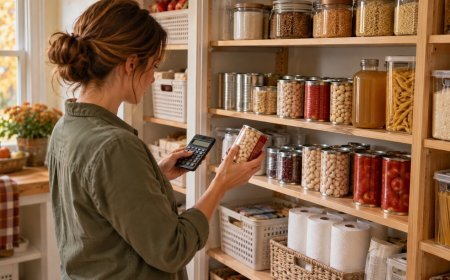
Before you open a store app, open the closet, the craft bin, and last year's Halloween tote. Note what you already own: reusable décor, a black turtleneck that becomes half a costume, baskets, string lights, leftover candy bowls, face paint that still works. Photograph the pile if more than one adult shops. That picture is your do-not-repurchase list.
Write three columns on a note: keep and use, need to buy, and nice-to-have if money remains. Only the middle column gets a cart. Nice-to-haves wait until after the required run. This tiny audit is how you stop buying a second set of plastic spiders because the first set is in a bin you forgot.
Set hard caps for costumes, candy, and parties
Pick one total Halloween number you can live with, then split it. Costumes and candy are the two categories that balloon fastest. Parties and décor usually follow. Tell kids or partners the caps in plain language: we have $X for costumes total, not try to be reasonable. Reasonable is fuzzy. A dollar cap is clear.
If one child wants a licensed character outfit that eats most of the costume budget, trade elsewhere. Maybe candy stays store-brand bulk, or décor stays last year's wreath plus one new item. Tradeoffs keep the season fun without pretending money is infinite. You are not being cheap. You are being specific.
Costume strategy that still looks like effort
Full retail costumes are priced for urgency, not for October 5 calm. Shop earlier if you can, or build from clothes you already wear. A thrift find plus one statement piece often photographs better than a wrinkled bagged costume bought the morning of school parade day. Focus spend on what shows in pictures: hat, cape, mask, or one bold prop. Skip five cheap accessories that break before dinner.
For younger kids, comfort matters more than perfect accuracy. If the costume fights the jacket they need outdoors, you will buy a second layer anyway. Plan for weather in the first purchase. For teens, a themed outfit from the closet plus makeup or a thrift jacket can land in the $15 to $40 range instead of $80 to $120 for a named character kit.
- Reuse base layers (black pants, white shirt, boots) before buying a full set
- Spend on one hero piece, not five forgettable add-ons
- Check thrift, hand-me-downs, and neighbor swaps before big-box racks
- Buy for weather and walking distance, not only for the mirror selfie
Candy math without the panic refill
Candy is where just-in-case gets expensive. Estimate trick-or-treaters with last year's leftovers and your street's real traffic, not a movie montage. Many neighborhoods see a busy first hour and a quiet finish. Buying for a parade of 200 when you usually see 40 is how leftover bags migrate into November impulse snacking.
Unit price still wins. Larger bags of simple chocolates or mixed minis often beat tiny novelty packs. Avoid the premium display near checkout unless it fits the candy cap. If you want a nicer bowl for adult guests, buy one small premium bag and keep the porch candy practical. Two candy personalities in one cart is how the total sneaks up.
A useful rule: buy once for the night you expect, plus a small buffer you pre-decide (for example, one extra bag, not three). If you run out early, lights off or a simple non-candy backup like stickers or pencils is cheaper than an 8 p.m. convenience-store rescue at markup prices.
Party trays and classroom contributions
School parties and office potlucks love last-minute bakery runs. Those runs feel small and land large. If you are asked to bring something, choose a category and a spend limit before you shop: fruit plate, popcorn station, store-brand cookies, or a simple veggie tray. Pre-cut options can cost more. Whole fruit you arrange yourself often costs less and still looks intentional.
If hosting at home, cap the menu. One themed drink, one savory tray, one sweet, and a bowl of candy is a party. Borrow platters. Use what you own. Label allergens clearly so you are not buying three versions of everything without a real need.
Décor: one upgrade, not a second living room
Décor is optional theater. Decide whether this year is a porch year, a fireplace mantel year, or a lights-and-a-pumpkin year. One focal zone looks intentional. Scattering twelve small plastic items across the house looks busy and costs more. Reusable pieces beat fragile single-season gags you will trash in November.
Pumpkins are fine. If you love carving, buy the pumpkins you will actually carve this weekend, not a porch pyramid for the neighbors' feed. Rotting pumpkins are a sunk cost with fruit flies as a bonus.
The one-trip shopping plan
Multiple quick Halloween stops are how totals climb without a villain. Aim for one main trip after the home inventory and caps are set. Group the list by store zone: costumes or thrift first if needed, then candy, then party food, then one décor lane if the budget still has room. Leave when the list is done. Seasonal aisles are designed for wandering. Your list is designed for leaving.
Shop fed, and shop with the cap number in your phone notes. If an unplanned item is truly useful and fits a named need (batteries for the porch lights you already own), swap something else out. Do not stack. If you need a second store for a specific size or allergy-friendly candy, make it a short list, not a second inspiration tour.
- Home inventory done and photographed
- Total cap and category caps written down
- Costume plan decided (buy, thrift, or build)
- Candy quantity based on real street traffic
- Party contribution chosen with a dollar limit
- One décor upgrade max, or none
- Single main shopping trip on the calendar
Where the quiet $300 usually hides
Watch these leaks: impulse props at checkout, duplicate candy bags for the bowl, shipping on a costume ordered late, photo-day accessories nobody asked for, and gas plus time for three separate store runs. Also watch digital add-ons: matching family shirts, same-week party rentals, and app deals that only help if you were already buying the item.
Screenshot checklist before you check out
Use this as a phone checklist the day you shop. If an item is not on it, it waits.
- Caps still match the note on your phone
- Cart has costumes or build pieces only for people who need them
- Candy bags match the planned count, plus one pre-agreed buffer max
- Party item is one contribution, not a second menu
- Décor is reuse-first; new items fit the leftover budget
- No checkout candy, no cute add-on under $10 that you did not name
- Receipt total compared to cap before you leave the parking lot
Bottom line
Halloween costs creep when every small yes stacks without a ceiling. Name a total, split it into costumes, candy, party, and décor, shop from what you already own, and run one disciplined trip. That is how you keep the season festive without watching the receipt quietly stroll toward $300.
This week, pull the Halloween tote, write your caps, and put one shopping block on the calendar. Do the inventory tonight. The aisle will still be there tomorrow. Your budget will thank you for arriving with a list instead of a mood.
What's Your Reaction?
 Like
0
Like
0
 Dislike
0
Dislike
0
 Love
0
Love
0
 Funny
0
Funny
0
 Angry
0
Angry
0
 Sad
0
Sad
0
 Wow
0
Wow
0