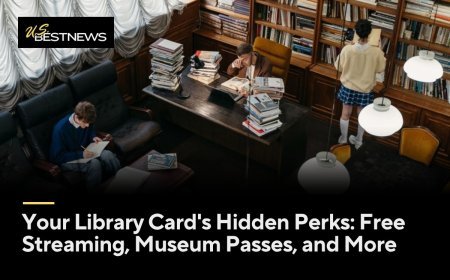


















Your Library Card's Hidden Perks: Free Streaming, Museum Passes, and More
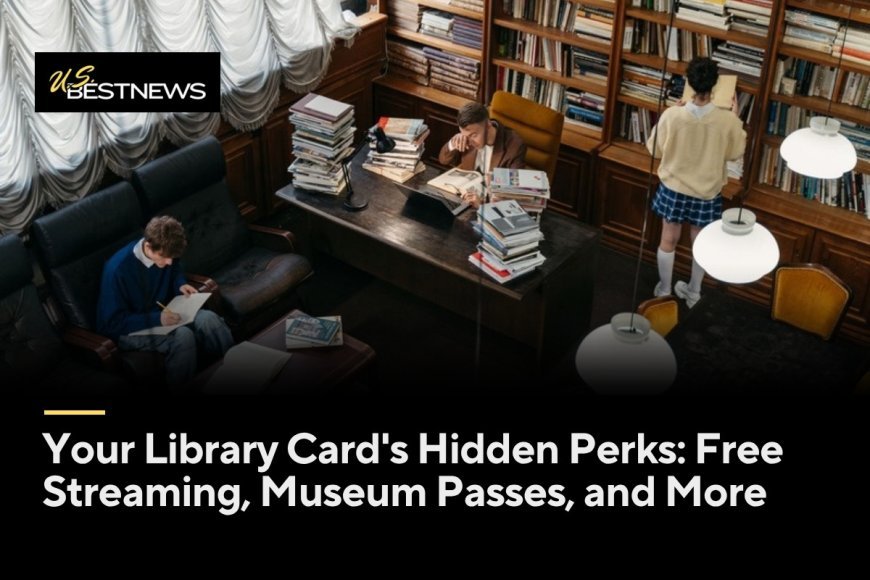
If you have not used your library card in a while, you may be surprised by what it can do now. Today's public libraries offer far more than printed books. Many lend movies, music, museum passes, tools, and even internet hotspots, often for free. For families trying to trim subscriptions and entertainment costs, a library card can be one of the most valuable things in your wallet.
What is available depends on your library system, since each one chooses its own services based on budget and community needs. But here are answers to common questions about the perks many libraries offer, and how to find out what yours has.
How do I get a library card, and does it cost anything?
For residents, a public library card is typically free. You will usually need a photo ID and proof of address, such as a utility bill or lease. Some libraries let you sign up online for a digital card you can start using right away, then pick up a physical card later. Kids can usually get their own cards with a parent's permission.
If you live outside a library's service area, some systems offer cards to nonresidents for a yearly fee, while others have agreements that let neighboring residents borrow for free. It is worth checking nearby systems too, since a larger library in a nearby city may have a wider digital collection.
Can I really stream movies and TV for free?
At many libraries, yes. Digital lending services such as Kanopy and Hoopla partner with libraries to offer streaming movies, documentaries, TV shows, and sometimes kids' programming. You sign in with your library card number, and there is no charge to you.
Libraries often set monthly limits on how many titles you can borrow or stream through these services, and the selection is different from the big paid streaming platforms. You will not find every new release. But for classic films, documentaries, foreign films, and children's shows, the catalog can be surprisingly deep. If you are paying for a streaming service mainly for occasional movie nights, this may be worth comparing.
What about ebooks and audiobooks?
Most public libraries lend ebooks and audiobooks through apps such as Libby, which works with the OverDrive library platform. You can borrow titles to read on your phone, tablet, or e-reader, and they return themselves automatically when the loan period ends, so there are no late fees for digital titles.
Popular titles often have a waitlist, just like printed books. A good strategy is to place holds on several books at once so something new is always arriving. Audiobooks are especially valuable, since they can be expensive to buy individually or through a subscription. Some libraries also offer digital magazines and newspapers through these apps, which can replace a paid subscription or two.
Do libraries offer museum passes?
Many do. Library museum pass programs let cardholders reserve free or discounted admission to local museums, zoos, aquariums, gardens, and historic sites. Some programs let you print a pass at home, while others require picking up a physical pass at the library.
Passes are often limited and can be reserved weeks in advance, especially for weekends and school breaks. If you are planning a family outing, check your library's pass program first. For a family of four, a free pass can save a meaningful amount compared with paying full admission. Some states also lend state park passes through public libraries, so ask whether yours does.
What is a library of things?
Some libraries lend items you might otherwise buy and rarely use. These collections are sometimes called a library of things. Depending on the library, you might find power tools, sewing machines, cake pans, telescopes, musical instruments, board games, karaoke machines, camping gear, or kids' science kits.
Borrowing something for a single project, like a drill or a pressure washer, can save you from buying it outright. It is also a low-cost way to try a hobby before investing in your own equipment.
Can my library help with internet access?
Many libraries offer free Wi-Fi and public computers, and some lend mobile hotspots that let you take internet access home. Hotspot loans can be helpful for students, job seekers, or anyone dealing with an internet outage. Lending periods are usually limited, and waitlists are common.
Libraries also often provide printing, scanning, and copying services, sometimes for a small per-page fee. That can be cheaper than owning and maintaining a home printer if you print only occasionally.
Can I learn new skills for free?
Yes. Many libraries provide free access to online learning platforms that might otherwise require a paid subscription. Depending on your library, you may find language-learning programs, video courses on software and business skills, test prep for exams, and genealogy research databases.
Libraries also host in-person classes and events, from computer basics and resume help to crafts, cooking demonstrations, and story times. Some have makerspaces with 3D printers, recording studios, or laser cutters that cardholders can reserve.
Does the library help with taxes or money questions?
During tax season, many libraries host free tax preparation sites through programs such as the IRS Volunteer Income Tax Assistance program or AARP Foundation Tax-Aide. These services help eligible taxpayers file for free. Libraries may also offer financial literacy workshops, Medicare counseling sessions, and help with job applications.
What other perks should I ask about?
Libraries keep finding new ways to serve their communities, so it pays to ask. Some offer seed libraries where you can pick up free garden seeds. Others have free meeting rooms you can reserve, passes for local attractions, or discounts at partner businesses. Many have special collections for kids, including toys and learning kits.
What if I return something late?
Late fees used to be one reason people avoided the library. That has changed in many places. A growing number of libraries have dropped overdue fines on many or all items, especially children's materials, to encourage more people to borrow. Policies vary, so check yours, and note that items in a library of things or museum passes may have stricter rules.
Even at fine-free libraries, you are usually responsible for items that are lost or damaged. Replacement charges for books, tools, or hotspots can be costly, and an unpaid balance may block your card until it is resolved. A simple habit helps: turn on due-date reminders by email or text, or check due dates in the library's app, and renew items online when you need more time. Digital loans return automatically, so they never come with late charges.
How can I find out what my library offers?
Start with your library's website, where digital services and special collections are usually listed. Look for sections labeled digital library, eResources, or borrow. You can also ask a librarian at the front desk, who can help you set up apps on your phone and explain how reservations work.
Is it worth canceling a subscription?
It might be. Before your next subscription renews, compare what you get for the price with what your library offers for free. You may find that your library card covers much of what you were paying for, with a few small trade-offs such as waitlists. The savings can add up over a year, and the only cost is a trip to the library or a few minutes online.
What's Your Reaction?
 Like
0
Like
0
 Dislike
0
Dislike
0
 Love
0
Love
0
 Funny
0
Funny
0
 Angry
0
Angry
0
 Sad
0
Sad
0
 Wow
0
Wow
0