






















The Fall Car Expenses Drivers Forget Until the First Cold Morning
The first cold morning of the season does not send a calendar invite. It just arrives, and the car answers with a slow crank, streaky wipers, and a tire pressure light that somehow waited for a school drop-off. Fall car expenses feel optional in September and urgent in one overnight temperature drop.
You do not need a full winter overhaul or a luxury detailing package. You need a short budget for the parts that fail when the air turns sharp, plus one weekend checklist that prevents surprise tow bills. This is seasonal household planning with a driveway focus, not a mechanic deep dive.
Reframe: fall prep is cheaper than cold-morning panic
Cold weather does not invent car problems so much as reveal weak ones. A tired battery, thin tread, and old wiper blades limp through mild weeks and quit when you need heat, clear glass, and grip on the same commute. Spending a planned amount in October beats stacking emergency parts, rush labor, and missed work in November.
Set a fall car envelope now: a realistic range for tires or a tire rotation check, battery test, wipers, fluids, and a small contingency. Soft numbers beat denial. Even a modest buffer stops one failed start from becoming a credit-card scramble.
Tires: tread, pressure, and the “maybe one more season” bet
Look at tread depth and sidewall cracks before the first freeze. Penny tests and shop gauges both work; what matters is deciding while you still have choices. Balding tires on wet leaves are a safety cost disguised as thrift. If you need new rubber, shop before the first widespread frost advertises urgency to every dealer lot.
Even good tires lose pressure as temperatures drop. A monthly pressure check in fall prevents the dashboard light from becoming your only maintenance system. Underinflated tires wear faster and hurt fuel use on the same week heating bills rise. Bring the door-sticker PSI numbers with you; do not guess from memory in a dark parking lot.
Battery and cables before the slow-crank surprise
Batteries hate cold. A battery that is three to five years old deserves a load test at a parts store or shop while the weather is still mild. Many places test for free or cheap. Replacing a weak battery on your schedule costs less than a jump pack purchase plus a late tow on a workday.
While you are there, glance at cable ends for corrosion. A $10 brush and a careful clean is not glamorous, but it prevents no-start mornings that look like a dead battery and are really a bad connection. Keep jumper cables or a charged jump pack in the trunk before you need them in a grocery lot.
- Test batteries older than about three years before hard cold
- Clean obvious corrosion on terminals with care
- Store jumper cables or a jump pack where you can reach them
- Note the install date on a new battery with a piece of tape
Wipers, washer fluid, and seeing the road
Fall rain, leaf film, and early frost all punish old blades. If wipers chatter or leave arcs, replace them before the first icy morning. Pair new blades with washer fluid rated for colder temperatures. Summer blue mix can gel or freeze in the reservoir when nights dip, which is a small expense that creates a big visibility problem.
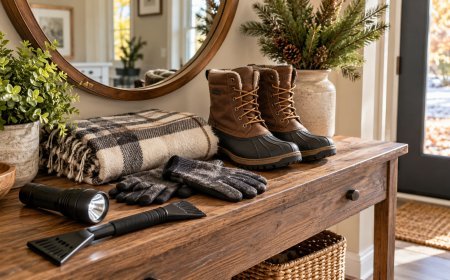
Keep a cheap ice scraper in the car starting mid-fall, not the week of the first hard freeze when every big-box aisle is picked over. A microfiber cloth for interior fog helps too. Clear glass is a budget item and a safety item in the same purchase.
Antifreeze, oil, and the fluid check you skip
Check coolant level when the engine is cool. If you are due for a coolant service on the maintenance schedule, fall is a kinder season to book it than the week a heater acts weird. Do not open a hot radiator cap. If the level is low repeatedly, that is a leak clue, not a top-off hobby.
Oil changes still matter. Cold starts are harder on engines that are overdue. If you are near the mileage or time interval, schedule it while appointments are easier. Ask the shop to check for obvious leaks and to confirm the oil grade your manual recommends for colder months if your climate swings hard.
Lights, belts, and cabin comfort that saves distraction
Walk around the car at dusk and test headlights, brake lights, and turn signals. Fall evenings arrive earlier, and burned bulbs are cheap compared with a ticket or a near miss. Replace them in pairs when it makes sense so you are not back under the hood next week.
Listen for squealing belts on cool starts. A worn belt that slips in the cold can leave you without charging or power steering at the worst moment. Cabin air filters are easy to forget; a clogged one makes the defroster work harder when you need clear glass fast. None of these are glamorous line items. All of them beat a chaotic Monday.
Budget the range, not a fantasy zero
Napkin ranges help households plan without fake precision. Wiper blades and fluid might be a small store run. A battery can be a mid-range hit. Tires can be the big line. Put tires in their own decision: repair patch, rotate and wait, or replace now. Spreading a necessary tire purchase across a short savings push still beats financing panic at holiday interest rates if you can avoid it.
If money is tight, prioritize safety and startability: tires with grip, working lights, battery health, and clear visibility. Cosmetic detailing can wait. A clean car that will not start is still a problem.
- Small run: wipers, fluid, scraper, bulb check
- Medium: battery test and possible replacement
- Large: tires or a shop diagnosis for leaks and belts
- Contingency: jump pack, roadside plan, small cash buffer
One-weekend fall car checklist
Block two hours on a calm weekend. Check tire pressure and tread. Test lights. Inspect wipers and top off cold-rated washer fluid. Check coolant when cool. Test or schedule a battery check. Put scraper, gloves, and cables in the trunk. Book any shop work before cold mornings create a waiting list.
Photograph the odometer and any dashboard warnings so you remember what changed. If you share the car, put the checklist in a shared note with dates completed. Split the errands: one person handles the parts store while the other handles the driveway checks.
- Tire pressure to door-sticker PSI; note tread concerns
- Wipers replaced if streaking; cold-rated washer fluid filled
- Battery tested if age or slow crank suggests weakness
- Coolant level checked cold; oil interval confirmed
- Lights walked and replaced as needed
- Scraper, cables or jump pack, and gloves stored in the car
- Shop appointments booked before the first hard freeze rush
What to skip so the budget stays honest
Skip full cosmetic packages sold as “winter prep” if the car already has working basics. Skip upgrading floor mats before you fix the battery. Skip premium fuel myths unless your manual requires a grade. Marketing loves seasonal fear. Your driveway checklist loves boring essentials.
Also skip delaying a known tire or brake issue because a holiday sale might appear later. Sales do not help if the first frost arrives first. Buy the need on a schedule; use sales only when they align with that schedule.
Household coordination for shared drivers
If teens or partners drive the same car, agree who watches the tire light and who buys fluid. Ambiguity creates empty washer reservoirs. Keep a simple log: last oil change, battery age, tire purchase date. Hang a spare key plan and a roadside membership card where adults can find them without unlocking three apps in the cold.
For households with two cars, prep the daily driver first. The weekend car can wait a week; the commute car cannot.
This weekend, run the checklist before the first cold morning writes its own invoice. Fall car expenses are easier when they show up as a short store run and a planned shop visit, not as a dead battery in a school loop. Clear glass, sound tires, and a battery that starts are the seasonal savings that also get you to work.
What's Your Reaction?
 Like
0
Like
0
 Dislike
0
Dislike
0
 Love
0
Love
0
 Funny
0
Funny
0
 Angry
0
Angry
0
 Sad
0
Sad
0
 Wow
0
Wow
0