









Pumpkin Patches and Fall Festivals: Keeping Family Outings Under $50
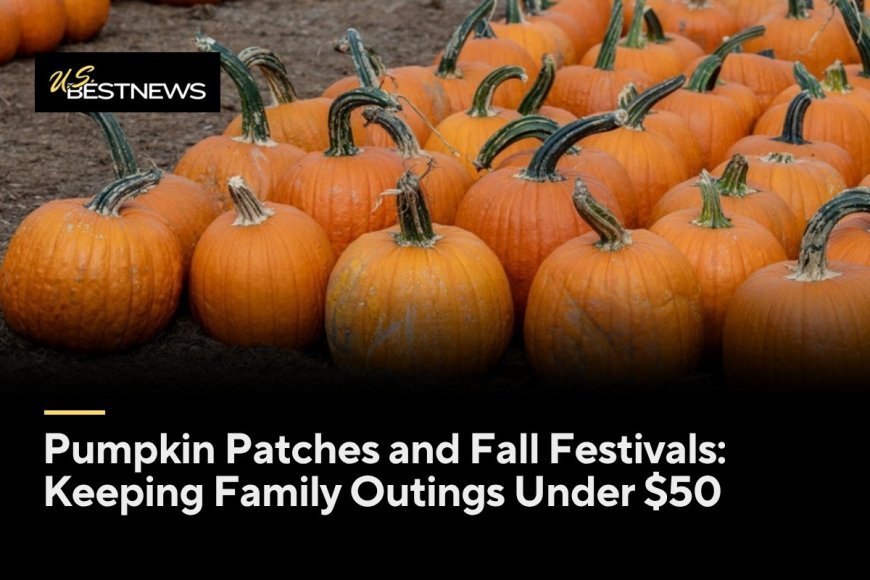
The pumpkin patch looks like the cheapest fall outing there is. A field, some hay bales, a few pumpkins. Then you pull in and the costs start stacking up: parking, a per-person entry fee, a wristband for the corn maze and the hayride, pumpkins priced by the pound, apple cider donuts that smell too good to skip, and a gift shop placed right next to the exit. A family of four can walk out having spent far more than planned without doing anything unusual.
You can still have a great day for $50 or less. It just takes knowing where the money goes before you arrive. Below is a line-by-line breakdown of what a fall farm or festival outing typically costs, which items are worth paying for, and where the easy savings are. The examples use round numbers for a family of four. Your local prices will differ, so check the farm's website before you go.
Line 1: Admission, parking, and the drive
Admission is the biggest swing factor. Some pumpkin patches are free to walk in, and you only pay for the pumpkins you take home. Others charge per person, especially farms with big play areas, mazes, and live entertainment. Weekend prices are often higher than weekday prices, and some farms charge more on peak October weekends.
Say a farm charges $10 per person on weekends and $7 on weekdays. For four people, that is $40 versus $28, a $12 difference just for choosing a Friday afternoon or an early Sunday morning. Check whether kids under a certain age get in free, whether there is a discount for buying tickets online in advance, and whether parking is included or extra. A separate parking fee can quietly eat a fifth of a $50 budget.
Do not forget the cost of the drive. A farm an hour away might have the best maze in the region, but the gas for a two-hour round trip, plus snacks for the car, adds to the total. A closer farm with fewer attractions could leave more of your budget for the fun parts. If friends are going too, carpooling can split the gas and make the day more social.
Line 2: Activities and wristbands
Many farms bundle attractions into a wristband: hayride, corn maze, bounce pillow, petting zoo, and so on. Others charge per activity. Wristbands look like a deal, but only if your kids will actually do most of what is included.
Before you buy, ask yourself which two or three things your family cares about most. A toddler may be thrilled with the hay bale pyramid and a few goats, while a 10-year-old mostly wants the corn maze. If you only want one or two attractions, paying individually could cost less than a bundle. If the farm offers free activities, such as a play area or a sunflower field, build your day around those and add one paid extra as the highlight.
Timing helps here too. Lines for hayrides and slides are often shortest right at opening, so arriving early means kids get more turns out of the same wristband. Some farms also sell late-afternoon tickets at a lower price for the last couple of hours of the day, which can be plenty of time for little ones. Look for those options on the farm's website or social media pages before you pick a day.
Line 3: The pumpkins themselves
Pumpkins are usually sold by size, by weight, or at a flat price per pumpkin. Prices that look small per pound can add up fast with a giant pumpkin. A 25-pound pumpkin at, for example, 60 cents a pound would cost $15 on its own.
A few ways to keep this line in check:
- Set a rule before you arrive, such as one small pumpkin per kid.
- Let kids pick pie pumpkins or gourds, which are often cheaper and easier to carry.
- Buy one large carving pumpkin for the whole family instead of one each.
- Consider buying carving pumpkins at a grocery store and keeping the farm trip for the experience.
Grocery store and big-box pumpkins are often cheaper than farm pumpkins, though you lose the fun of picking from the vine. Many families do both: the farm for photos and a small pumpkin each, and the grocery store for the big carving pumpkin.
Line 4: Food and treats
Food is where a day out usually goes over budget. Cider donuts, kettle corn, caramel apples, and hot cider are part of the charm, but buying a full lunch at farm prices can cost as much as admission.
The simplest fix is to eat before you go or pack a picnic. Many farms allow picnics in designated areas, so check the rules. Then choose one shared treat as part of the experience. A half dozen cider donuts split four ways feels festive and costs far less than individual snacks for everyone. Bring refillable water bottles so you are not buying drinks at every stand.
Line 5: The extras near the exit
Farms and festivals know that tired, happy families are easy customers. Photo stations, face painting, pony rides, souvenir pumpkins, jams, honey, and fall decorations are often clustered near the parking lot or checkout.
Decide on your extras before you arrive. If face painting is the one thing your daughter has talked about all week, plan for it. If not, it is fine to walk past. Giving older kids a small fixed amount to spend, such as $5 each, lets them choose and teaches them to weigh one treat against another.
Putting it together: a sample $50 day
Here is one way a family of four could keep the outing under $50, using example prices:
- Weekday admission at a farm with free entry for kids under three: $21 for three paying visitors.
- One paid activity, like the hayride, for the whole family: $12.
- Two small pumpkins picked in the field: $8.
- Half a dozen cider donuts to share: $8.
- Lunch eaten at home before leaving, water bottles from home: $0.
That comes to $49. Your numbers will differ, but the pattern works almost anywhere: go on a cheaper day, choose one or two paid activities, cap the pumpkins, share one treat, and skip the gift shop.
Free and nearly free alternatives
If even $50 feels like a stretch this year, there are other ways to get the fall feeling. Many towns hold free fall festivals with hayrides, music, and craft booths, often run by parks departments, libraries, or community groups. Some orchards and farm stands let you browse for free and buy a few apples or one pumpkin. Nature centers and state parks may host free leaf walks or harvest days.
You can also build a fall day at home: rake a giant leaf pile, carve grocery store pumpkins on the porch, roast the seeds, and make cider on the stove. Kids tend to remember the time together more than the ticket price.
Before you go
Look up the farm's prices online, choose your day, and agree as a family on the plan: which activities, how many pumpkins, and one treat. That two-minute conversation in the car is what keeps a fun fall outing from turning into a surprise on your card statement. Bring cash in the amount you planned to spend, and when it is gone, the day's spending is done.
What's Your Reaction?
 Like
0
Like
0
 Dislike
0
Dislike
0
 Love
0
Love
0
 Funny
0
Funny
0
 Angry
0
Angry
0
 Sad
0
Sad
0
 Wow
0
Wow
0