













Back-to-School Lunches on a Budget: Beat the Single-Serve Markup
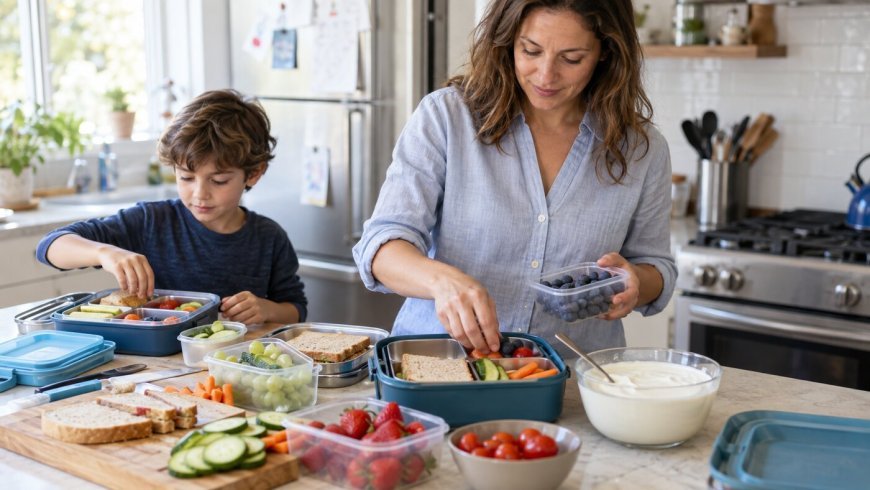
September is when the lunch aisle turns into a trap with cheerful packaging. Tiny yogurt tubes. Crackers sealed like jewelry. Juice boxes sold as if water were a rare mineral. None of those products are evil. They are just expensive convenience wearing a cartoon face-and they stack up fast when you pack five days a week.
If you want a back-to-school lunch budget that survives October, stop treating Lunchables math as the default. Buy bulk where it makes sense, portion at home, and treat single-serve as a deliberate exception, not a lifestyle. This is household budgeting, not a lecture about becoming a from-scratch saint. The win is cheaper school lunches that kids will still eat on a tired Tuesday.
What the "single-serve tax" actually costs
Single-serve is rarely about the food. It is about labor you are outsourcing: portioning, sealing, and pretending each item is a special event. That outsourcing has a price tag.
Do the napkin math once with your own receipts. A classic prepacked lunch kit might land around four to six dollars depending on brand and store. Five days a week is twenty to thirty dollars for one child-before drinks, fruit, or the "I forgot snack" emergency run. Multiply by siblings and you are funding a small catering company.
Now compare a DIY version built from bulk or family-size packages: crackers from a big box, cheese from a block, deli meat or leftover protein, fruit from a bag, and a refillable water bottle. Even if your homemade version lands closer to two dollars a day-sometimes less-the gap is real money by mid-September. You are not chasing pennies. You are killing a tax you were paying for packaging and portion theater.
Prices move by ZIP code and week. Treat every number as a pattern to verify on your receipt, not a national promise. The method stays the same: unit price first, cute packaging second.
Lunchables math vs bulk + portion (a fair fight)
Be honest about what kids like about kits. It is not always the food quality. It is the "I got a set" feeling: compartments, a little treat, something that looks intentional. You can copy the experience without buying the markup.
Kit appeal you can recreate:
- Separate compartments (bento-style box or silicone cups)
- One predictable protein + one crunchy thing + one fruit/veg
- A small "fun" item that still has a unit price you chose on purpose
Where kits quietly win (sometimes):
- Travel weeks, first-week chaos, or a caregiver who will not portion
- A child who will only eat that exact brand for two weeks while they settle into a new school
- True time bankruptcy-not "I scrolled for twenty minutes" bankruptcy
Use kits as a bridge, not the foundation. September can start with two kit days and three DIY days if that keeps peace. By week three, flip the ratio. Budgeting is a direction, not a purity contest.
Build a "lunch core" once, not a new menu every night
Cheap school lunches get easier when you stop reinventing dinner's leftovers into a TED Talk. Pick a lunch core for the next two weeks: a short list of proteins, carbs, produce, and dips that your kid already accepts.
A practical core for many households:
- Protein: turkey or chicken slices, hard-boiled eggs, hummus, leftover taco meat, bean dip, tuna pouches bought in multipacks
- Carb: tortillas, pita, sandwich bread on sale, crackers from a warehouse or family box, rice cups you portion yourself from a big cooker batch
- Produce: apples, bananas, carrots, cucumbers, grapes washed once and stored ready
- Dip/side: yogurt from a large tub spooned into small containers, cheese cubes from a block, nut/seed butter if school policy allows
Write the core on a sticky note on the fridge. When someone asks "what's for lunch," you point at the note. Decision fatigue is expensive; a boring menu is cheap.
Portion night: the thirty-minute Sunday that pays all week
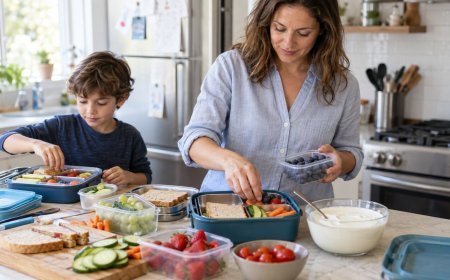
You do not need a meal-prep influencer kitchen. You need one session that turns bulk into grab-and-go.
Set a timer for thirty minutes:
- Wash and cut produce that actually gets eaten raw
- Cube cheese or portion deli meat into daily bags or containers
- Scoop yogurt or hummus into small reusable cups
- Count out cracker servings into snack bags or a big jar with a scoop
- Park everything at kid-eye level so mornings are assembly, not scavenger hunt
If Sundays are chaos, move portion night to whenever your energy peaks-Friday after payday shopping, or a Wednesday evening while leftovers reheat. The calendar matters less than the habit.
Reusable containers beat a landfill of baggies, but do not let gear shopping become the new tax. Start with what you have: washed jars, a muffin tin for sorting, a leftover takeout container that already seals.
The September act-now list (do this week)
Back-to-school season is when stores bait you with "lunch deals" that are really single-serve velocity. Act now on the boring inventory instead:
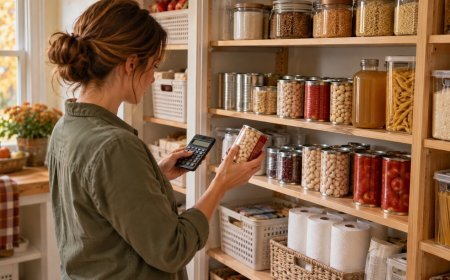
- Audit the pantry for open cracker boxes, half-used nut butters, and snack bags you already paid for
- Check school allergy rules before you buy a clever new protein
- Pick two refillable bottles and label them-lost bottles become a weekly fee
- Choose one bento-style box or divided container per child if they respond to "kit energy"
- Screenshot unit prices on your phone for your top five lunch items so you stop guessing in the aisle
If your store runs a September lunch promo on kits, buy a small sleeve for emergency days only. Put them on a high shelf. Scarcity makes them feel special and keeps them from becoming the everyday default.
Where bulk is brilliant-and where it backfires
Bulk is not automatically frugal. Bulk is frugal when you will finish it before it turns into science fair waste.
Usually worth it:
- Crackers, pretzels, shelf-stable snacks with long dates
- Cheese you can freeze or portion quickly
- Yogurt tubs if your household eats dairy daily
- Applesauce or fruit cups only if you portion from large jars yourself
- Frozen berries or grapes for sides that survive busy weeks
Often a trap:
- Giant produce the kids will not touch after day three
- Novelty snacks bought because the warehouse display was loud
- Protein that spoils because you portioned too far ahead
- "Value" multipacks of single-serve that still carry the single-serve tax-just in a bigger cardboard coffin
A warehouse club membership only helps lunch budgets if lunch is where you actually shop. Otherwise you are paying dues to store more cardboard.
Drinks: the quiet budget leak
Juice boxes are a master class in paying for packaging. If your kid wants flavor, mix a small splash of juice with water in a bottle, or pack fruit and water separately. Milk can be thermos territory if your school schedule allows it to stay safe and drinkable; otherwise keep milk at home and send water.
A refillable bottle that actually gets used beats a case of cartons that look responsible on Instagram and expensive on the receipt. If the school requires sealed drinks for a field trip, that is a sealed-drink day-not a sealed-drink lifestyle.
Kid buy-in without turning dinner into a negotiation seminar
Budgets fail when lunch comes home untouched and you become a short-order diplomat. Offer controlled choice inside the core:
- "Pick the fruit" from two options already washed
- "Pick the crunchy" from crackers or pretzels
- Let them assemble compartments the night before if that makes them more likely to eat it
Skip moral speeches about packaging waste unless your kid is into that. Most kids care about taste, familiarity, and whether lunch looks like something a friend might also have. Mirror the kit layout. Keep flavors boring on purpose for two weeks while the new routine sticks.
If something comes home uneaten twice, retire it without drama. Waste is a budget line. So is fighting.
A sample week that still feels like real life
Monday: Tortilla roll-ups, carrots, apple slices, yogurt cup from the big tub
Tuesday: Crackers, cheese cubes, turkey, grapes, emergency kit treat from the high shelf
Wednesday: Leftover pasta in a thermos, cucumber, banana
Thursday: Hummus, pita, olives if they like them, orange sections
Friday: "Nearly Lunchables" DIY compartments + a cookie you portioned from a bakery dozen on sale
Rotate proteins through leftovers so dinner and lunch share shopping. That is how cheap school lunches stop competing with the rest of the grocery bill.
Track one month like a grown-up, then chill
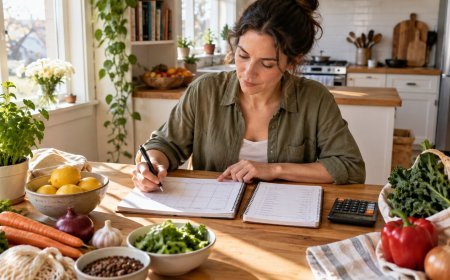
For four school weeks, jot a rough weekly lunch spend: DIY staples only, plus any kit days. Compare to last September's vibe if you still have a bank app memory of those debit charges. You are looking for direction-downward-not a spreadsheet personality.
If DIY takes so long that you start ordering takeout dinners in revenge, simplify. Fewer components. More leftovers. One snack jar. The goal is a back-to-school lunch budget you can keep when soccer starts and someone loses a water bottle every Thursday.
Mistakes that bring the single-serve tax right back
Buying cute containers instead of food. Gear is optional. Calories are not.
Portioning seven days of meat on Sunday. Food safety and texture both vote no. Portion what the next two or three days need.
Sending foods that need perfect refrigeration with no ice pack plan. A warm yogurt disaster teaches kids that homemade lunch is unreliable.
Treating warehouse bulk as free. If it spoils, you paid retail plus guilt.
Letting "just this week" kits become the new normal. Put a sticky note on the box: "Emergency only."
Bottom line
Killing the single-serve tax is not about shaming busy parents. It is about noticing that Lunchables math is a subscription fee for portioning you can do in half an hour a week. Build a lunch core, buy bulk where your household will actually finish it, portion on purpose, and keep a small kit stash for the days when life spills.
September is the moment to act-before the cute aisle becomes a habit and October's receipt looks like a fundraiser for cardboard. Pack the compartments. Skip the markup. Let the budget show up as quieter grocery totals and fewer "we're out of juice boxes" panic runs.
What's Your Reaction?
 Like
0
Like
0
 Dislike
0
Dislike
0
 Love
0
Love
0
 Funny
0
Funny
0
 Angry
0
Angry
0
 Sad
0
Sad
0
 Wow
0
Wow
0