

























The "No-Spend Weekend" Challenge: How One Lazy Rule Can Reset Your Wallet
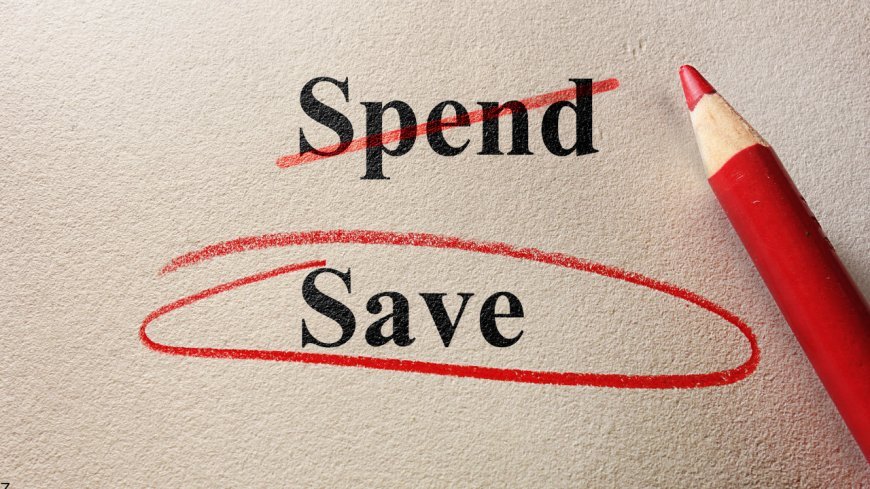
weekends are prime time for "just one more" spends—brunch with friends, a quick Target run, streaming upgrades, or that impulse delivery order. Many Americans drop $50–$150+ over a typical Saturday-Sunday on food, entertainment, coffee, and small treats, adding up to thousands yearly without much thought.
Enter the "No-Spend Weekend" challenge: one simple, low-effort rule—no money out the door from Friday night through Sunday night, except for true essentials (gas if needed, pre-planned groceries, or bills). It's not about deprivation; it's a lazy reset that gives your wallet breathing room, breaks autopilot spending, and often uncovers $100–$300+ in "found" money per weekend.
People who try it report feeling lighter, more creative, and surprisingly satisfied—proving you can have fun without swiping. In a year where budgets feel tighter for many, this mini-challenge is a quick win: do it once a month (or more), redirect the savings, and watch your financial momentum build effortlessly.
What Counts as "No-Spend" (and What Doesn't)
Keep it realistic and sustainable—define your rules upfront so there's no gray area guilt.
Allowed (essentials only):
- Pre-planned groceries or household basics if you're truly out.
- Gas/transport for necessary travel (work, emergencies, or pre-scheduled plans).
- Bills/utilities that auto-deduct (no extra action needed).
- Medications or urgent health needs.
Off-limits (the fun stuff to skip):
- Eating out, takeout, coffee runs, bars.
- Shopping (online or in-person) for clothes, gadgets, decor, or "just browsing."
- Entertainment tickets, movies, events, or paid apps/streaming add-ons.
- Impulse buys like snacks, lottery, or subscriptions.
The beauty? It's only 48–72 hours. Pre-stock basics Friday evening (pantry raid, frozen meals), and you're set. Track what you didn't spend—jot it in your phone notes—and transfer that amount to savings Monday morning.
How Much Can You Actually Save?
Real talk: Weekend spending varies, but averages add up fast. Many households drop $75–$200+ on dining, outings, and treats—easily $3,000–$10,000 yearly if unchecked.
One no-spend weekend might save:
- $30–$60 on meals/coffee (no brunch or delivery).
- $20–$50 on entertainment (streaming at home vs. going out).
- $20–$100 on shopping/misc (no Target run or online cart).
Do it monthly? That's $100–$500+ "extra" cash yearly—enough for a weekend getaway, debt snowball, or emergency buffer boost. Redirect it immediately (auto-transfer to high-yield savings at 4–5% APY) so it doesn't vanish into regular checking.
Bonus: Many find the habit sticks—turning occasional no-spend weekends into a rhythm that cuts monthly discretionary spending 10–20%.
Fun, Zero-Cost Ways to Fill the Weekend
The challenge succeeds when it feels enjoyable, not punishing. Stock up on free or already-owned fun:
- Home vibes: Movie marathon with what you already stream, board games, puzzles, or dance party in the living room.
- Outdoor freebies: Walks, hikes, parks, people-watching, or stargazing—no entry fees needed.
- Creative resets: Declutter (sell extras later for bonus cash), cook from pantry, DIY projects, or read that book pile.
- Social without spend: Host friends for potluck games, video calls, or free local events (library storytime, community walks).
- Self-care: Bubble bath, home workout, journaling, or napping—recharge without a spa bill.
People often discover hidden joys: deeper conversations, creativity sparks, or just rest—proving fun doesn't need a price tag.
Tips to Make It Stick (and Enjoyable)
- Prep Friday: Meal plan, gas up, cancel any tempting plans.
- Mindset flip: Treat it like a game—"How much can I 'win' this weekend?"
- Accountability buddy: Text a friend your progress for motivation.
- Celebrate Monday: Total savings, transfer it, and pat yourself on the back—maybe with a free coffee from home.
- Scale it: Start with one weekend, then try bi-weekly or themed (e.g., "pantry purge weekend").
If you slip? No big deal—reset next time. The goal is progress, not perfection.
The Bottom Line
The "No-Spend Weekend" is the ultimate lazy financial hack: minimal rules, maximum reset. In 2026's world of constant temptations, it's a gentle way to reclaim control, stash extra cash, and rediscover free joys—all without big sacrifices.
Try it this coming weekend—prep tonight, go in with a fun plan, and see what $50–$200 "saved" feels like come Monday. Redirect it to something meaningful (travel fund, debt, or just peace of mind), and you've turned lazy days into real wallet wins.
Your first no-spend weekend could be the start of something bigger. Ready to give it a go? Your future self (and your bank balance) are already cheering. What's your plan for filling those zero-cost hours?
What's Your Reaction?
 Like
0
Like
0
 Dislike
0
Dislike
0
 Love
0
Love
0
 Funny
0
Funny
0
 Angry
0
Angry
0
 Sad
0
Sad
0
 Wow
0
Wow
0