























How to Stack Grocery Fuel Rewards for Cheaper Gas in 2026
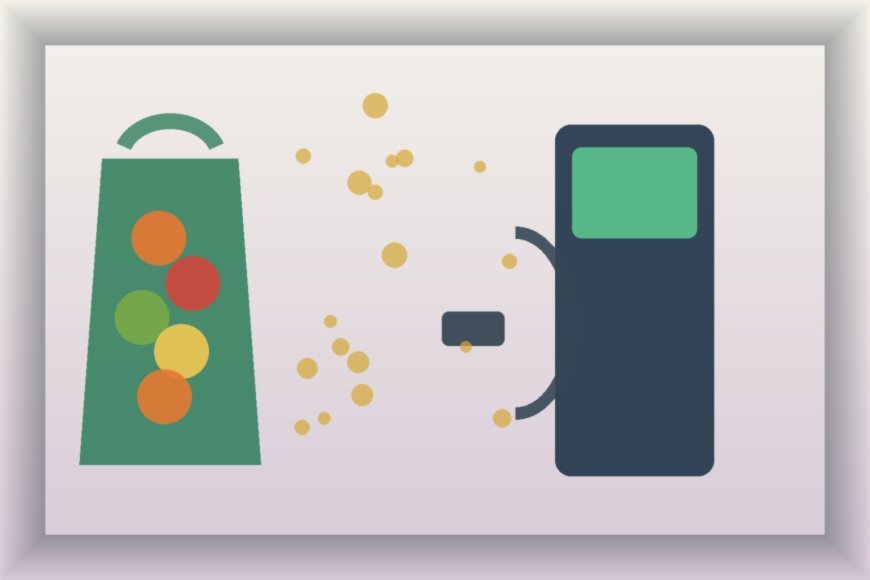
Gas still feels like a tax on every errand. Groceries do too. The quiet win in 2026 is that those two receipts talk to each other—if you know which loyalty apps to open, when to buy a gift card, and whether to burn your points at the pump or back in the aisle.
This is not a finance lecture. It is a practical stacking playbook: grocery loyalty → fuel rewards (including Shell Fuel Rewards–style programs), gift-card bonus multipliers, and a simple rule for when gas savings beat grocery credit. Programs change by banner and ZIP code, so treat every number below as a pattern to verify in your own apps—not a promise on today’s pump price.
What “grocery fuel rewards” actually means in 2026
Most big grocery chains still run a version of the same loop: scan your loyalty card or app when you shop, earn “fuel points” or cents-off based on dollars spent (and sometimes on specific promo items), then redeem those points for a per-gallon discount at partner stations—often Shell, and sometimes the store’s own pumps or a short list of regional partners.
Shell Fuel Rewards (and lookalike partner programs) sit on top of that loop for many shoppers. You link accounts or use a partner ID at checkout, accumulate status or cents-off, and unlock deeper discounts when you hit thresholds. The branding on the pump sticker varies by market. The habit does not: one ID at grocery, one ID at fuel, and a calendar reminder before points expire.
Think of it as three layers you can stack, not three separate “deals” you chase randomly:
1) Base grocery spend → fuel points or cents-off
2) Promo multipliers (bonus fuel days, manufacturer tie-ins, app-only offers)
3) Gift-card or prepaid “buy X get bonus” events that inflate the same fuel meter without changing how much food you actually need
Miss any layer and you still save a little. Hit all three on a week you were shopping anyway, and the pump math gets interesting.
Map your local stack before you “optimize”
Open your grocery app and your fuel rewards app side by side. Write down four boring facts on a note in your phone:
• How many dollars of grocery spend equal 10¢ off per gallon (or whatever your banner’s unit is)
• Cap per fill (often a gallon limit—commonly around 20–35 gallons depending on program)
• Partner stations near your commute, not just the one with the neon sign on the highway
• Expiration window for unused fuel points
Those four facts beat any viral TikTok tip. A “$1 off per gallon” headline means nothing if your local program caps at 20 gallons, your points expire in 30 days, and the only partner station is 18 minutes out of your way.
Also check whether your banner prefers in-app barcode, phone number, or a physical loyalty card. Some stacks fail silently when the cashier scans the wrong ID or you forget to open the digital card before bagging starts.
The grocery → Shell / fuel points pipeline
Here is the everyday flow most Money Digest–style savers actually use:
Shop on purpose, not on autopilot. Before you leave home, skim the weekly ad and the app’s “fuel bonus” tiles. If chicken and paper goods already sit on your list, and they also carry 2× or 3× fuel points this week, you are not “buying for points”—you are aligning a purchase you needed with a multiplier you would have ignored.
Scan every time. No scan, no stack. That includes self-checkout, delivery (when the platform supports loyalty linkage), and “just grabbing milk” trips that somehow become $47.
Watch for partner linkage. If your store feeds Shell Fuel Rewards or a similar network, confirm the accounts are linked in both apps. Unlinked accounts are the number-one reason people swear the program “doesn’t work.”
Redeem intentionally. Fuel points often auto-apply at partner pumps when you enter your ID—but only up to the program’s max off and gallon limit. Know your balance before you roll up. If you are at 90¢ off and one more targeted shop gets you to $1.00, it can be worth waiting 48 hours—unless you are already on empty.
A quick 2026 reality check: some banners have tightened bonus fuel point events or pushed more value into digital coupons instead of straight cents-off. That does not kill the stack; it just means you should treat the app’s current offers tab as the source of truth, not a blog post from last year.
Gift-card bonus multipliers: the quiet accelerator
This is where stacking gets spicy—and where people overdo it.
Many grocery stores periodically sell popular gift cards (restaurants, big-box, entertainment, sometimes fuel brands themselves) with a bonus: spend $100 on cards, get $10–$20 in store credit, extra fuel points, or both. Because those purchases often still count toward fuel rewards thresholds, a planned gift-card run can vault you into a higher cents-off tier without filling the pantry with food you will not eat.
Use a hard rule so this stays smart living, not a hobby that eats cash flow:
Only buy cards you will spend in the next 30–60 days on stuff you already budget for. Birthday dinner you were going to buy anyway? Fine. Mystery pile of $25 cards “because fuel”? That is how gift cards become clutter and forgotten balances.
Stack order that usually works:
1) Check whether gift-card purchases earn fuel points this month (read the fine print in the app or at the service desk)
2) Stack manufacturer or store digital coupons on the groceries in the same trip if they do not conflict
3) Pay with a card that also returns a modest category bonus on groceries or wholesale clubs—if you already pay that card in full monthly
4) Redeem fuel soon after, so the “win” shows up as a lower pump total while the trip is still fresh in your head
If your store’s gift-card bonus is store credit instead of fuel points, decide which currency you need more this month. Store credit is great when your next grocery run is locked in. Fuel points win when you drive a lot and your grocery spend is already covered by what is in the fridge.
When to redeem for gas vs grocery credit
Not every program offers a clean fork—but many loyalty ecosystems eventually force a choice: burn value at the pump, or convert something into grocery-side credit, digital coupons, or “points mall” catalog fluff.
Use this decision filter:
Redeem for gas when:
• Your per-gallon discount is near the program’s practical max
• You have a partner station on a route you already drive
• Fuel is one of your top three variable costs this month
• Points are approaching expiration
Lean grocery credit / store value when:
• You are about to place a large, planned grocery order anyway
• Partner fuel stations are inconvenient enough that the “discount” costs time and extra miles
• The grocery-side redemption clearly beats the cents-off math after gallon caps
• You share a household car and someone else already filled up this week
Do the napkin math once. Example pattern (illustrative only): 30 gallons × $1.00 off = $30 of real fuel savings. If the alternate grocery credit for the same earned balance is $15–$20 in usable store value, fuel usually wins—unless you cannot reach a partner pump without a special trip. Extra miles erase discounts faster than people admit.
One more 2026 habit: screenshot your redemption confirmation and pump total. Programs glitch. Having proof beats arguing from memory in the customer service chat.
A weekly rhythm that does not take over your life
Stacks fail when they require a second full-time job. Keep a light cadence:
Sunday (5 minutes): Open grocery + fuel apps. Note bonus fuel items that overlap your real list. Check gift-card promotions. Note point expiration.
Shop day: Apply digital coupons first, scan loyalty, keep gift-card purchases in a separate mental bucket so you do not confuse “bonus” with “free.”
Fuel day: Check balance in the parking lot before you insert the nozzle. Confirm partner status. Stay within the gallon cap so you do not assume a discount on gallons that will not qualify.
Month-end (10 minutes): Rough total: grocery spend, fuel points earned, dollars saved at the pump, gift-card bonuses used. If the stack saved less than a casual coffee run after all that tapping, simplify—drop gift cards and keep only scan-and-redeem.
Household tip: put one person in charge of the fuel ID, or you will double-redeem, miss thresholds, or argue about whose “points” paid for the fill.
Mistakes that quietly wipe out the savings
Buying food to manufacture points. If you waste $20 of produce to earn $8 of fuel value, you lost. Points are a side effect of planned spending.
Ignoring gallon caps. A huge cents-off number on a tiny tank—or on gallons over the cap—creates fake victory screenshots.
Chasing non-partner stations. The cheapest sticker price across the street can still lose to a partner pump with a deep loyalty discount. Compare out-the-door totals, not curb signs.
Letting points expire. Set a phone reminder at the halfway mark of the expiration window.
Stacking credit-card debt on top. Category bonuses only help if the statement is paid in full. Interest turns a clever fuel stack into an expensive story.
Forgetting fees on specialty cards. Some closed-loop or mall cards have activation fees that erase a “bonus.”
A simple 2026 stacking checklist you can screenshot
• Loyalty accounts linked (grocery ↔ fuel / Shell Fuel Rewards–style partner)
• Current dollars-to-cents formula + gallon cap written down
• Weekly ad + app fuel bonuses checked against a real shopping list
• Gift cards only for planned spend; confirm they earn fuel value
• Redeem near max discount or before expiration—whichever comes first
• Choose gas vs grocery credit with out-the-door math, including extra miles
• Pay revolving credit in full if you use a card in the stack
• Log one month of savings, then keep only the parts that clearly work
Bottom line
Cheaper gas in 2026 rarely comes from one heroic coupon. It comes from a boring pipeline: buy the groceries you already needed, capture the loyalty ID every time, amplify with gift-card bonuses only when the cards fit your real life, and redeem fuel rewards when the pump math—and the partner station on your route—actually pay you back.
Start with linkage and the gallon cap this week. Add gift-card multipliers next. Keep the stack small enough that you will still do it on a tired Tuesday. That is how grocery fuel rewards stop being a headline and start showing up as a lower number on the pump.
What's Your Reaction?
 Like
0
Like
0
 Dislike
0
Dislike
0
 Love
0
Love
0
 Funny
0
Funny
0
 Angry
0
Angry
0
 Sad
0
Sad
0
 Wow
0
Wow
0